




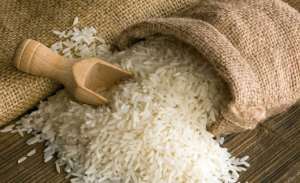
Rice yields are projected to rise by at least four folds following the implementation of the Rice Seed Scaling project, which has ensured increased availability of certified seeds for cultivation.
This will help in reducing rice importation into the country, which currently stands at approximately 550,000 metric tonnes per year at a cost of between $300 million to $600 million per annum.
Mr Gary Mullins, Chief of Party of the Agriculture Technology Transfer project of the United States Agency for International Development (USAID) said at a stakeholders' workshop to end the Rice Seed Scaling project at Nyankpala, near Tamale.
The Rice Seed Scaling project was implemented from 2015 to 2017 by AfricaRice and the Savannah Agricultural Research Institute (SARI) amongst other partners with funding from USAID to stimulate the development of a sustainable rice seed system in the northern part of the country.
The project trained technicians from SARI on breeder seed production while private seed companies were also trained on foundation and certified seed production and seed business management to ensure continuous production of early generation and certified seeds for cultivation.
During the project period, rice farmers' access to and cultivation of quality certified seeds such as AGRA Rice and Jasmine Rice increased, which was significant for the development of the country's rice system.
Mr Mullins said efforts would be made to disseminate the productivity-enhancing technologies to more farmers to join efforts in stemming the flood of rice imports into the country.
Mr Boubakary Cissé, Seed Expert and Country Coordinator of the Rice Seed Scaling project, said the project had re-established trust for various classes of seed amongst farmers, which was essential for the sustainability of the rice sector.
Mr Cissé expressed the need for all actors in the rice sector to consolidate the project achievements through backstopping, on-the-job training, establishment of demonstration plots and media campaigns to ensure increased cultivation of certified rice seeds for increased yields.
Mr William Boakye-Acheampong, Northern Regional Director of the Department of Agriculture urged private sector to take advantage of the project by ensuring the availability of certified seeds for cultivation.
Mr Martin Pwayidi, Organizing Secretary of Seed Producers Association of Ghana, Upper East Region, said the project helped to ensure technology transfer for stakeholders assuring that seed producers would work to ensure availability of certified seeds.
GNA
By Albert Futukpor, GNA

 SkyTrain trial: High Court adjourns case management conference to October 19
 Edudzi Tameklo recalls how Duffuor was slapped with GH¢100 million bail in 2020,...
 About 800 Director I and II applicants unreachable due to invalid contact number...
 'Boakye Agyarko was seen as anti-Bawumia' – Lecturer on John Boadu’s victory
 'NPP delegates made wrong choice electing John Boadu as chairman' — Political Sc...
 MTN Ghana secures new 5G spectrum in 700 MHz and 3 GHz bands
 Bawumia explains NPP hunt for winnable parliamentary candidates, not deep-pocket...
 Ghana to tap Egypt’s expertise for new capital city, housing projects – Mahama
 Ghana, Egypt deepen cooperation in health, defence and housing
 NDC Women’s Organiser Abigail Mensah condemns alleged pepper spray plot by Hawa ...



Comments
IS MIND BUCKLING STILL HAVE ISSUES WITH GROWING RICE WHICH BEEN DONE EVERYWHERE GLOBALLY WHY NOT GHANA WITH SUCH FERTILE LAND AND GREAT LAND FOR IT. WHY IS IT SO DIFFICULT AND SPENDING SO MUCH HARD EARN FOREIGN EXCHANGE IMPORTING RICE WHICH CAN BE USE TO ENSURE POST HARVEST STORAGE FACILITIES AND RICE MILLS OH GHANA