




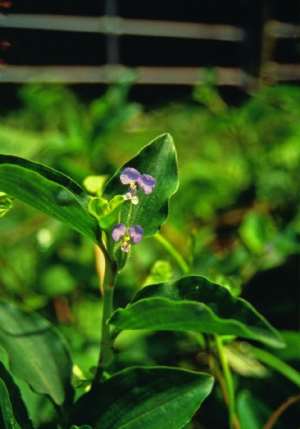
KUMASI, Ghana--Known as "climbing dayflower" and African tulip tree, two Ghanian herbs from the Ashanti tribe's traditional medicine chest have proven useful in wound healing due to antioxidant and antimicrobial actions, according to a recent study published in the Aug. 14 issue of Phytotherapy Research (Epub ahead of print, 2006).
Researchers from Kwame University of Science and Technology tested methanol extracts of Commelina diffusa (dayflower) and Spathodea campanulata bark, finding both showed selective antifungal activity against Trichophyton species--which commonly causes hair, skin and nail infections. The extracts also reduced the peroxidation of bovine brain extract and exhibited antioxidant activity, protecting MRC-5 cells (secondary human lung fibroblasts) from hydrogen peroxide-induced oxidant injury. However, the extracts displayed no inhibition of NF-kappaB (even at higher concentrations).
The scientists concluded the antioxidant and antimicrobial activities suggest that the use of these plants in wound healing may be based on the antioxidant and antiseptic effects of its constituents.
www.naturalproductsinsider.com

 “Our ancestors didn’t survive Notsie for us to divide ourselves” – Awadada
 Court jails mine worker 14 years for defiling 8-year-old girl at Manso Kumpese
 President Mahama orders review of Ghana’s disaster preparedness systems
 Galamsey: Ghana’s rivers now run chocolate and milk colour — Sam Jonah
 A nation of job-seekers will always be poor — Sir Sam Jonah
 CAGD pays promotion arrears to 56,003 GES teachers ahead of deadline
 “If you attack us with pepper spray, we’ll fight back” — NDC Yakubu Tony Aidoo w...
 We must support artisans to unlock job creation potential – Bawumia
 Ms. Emelia Affi Agbenyo must honourably resign as new EC Deputy Chairperson to p...
 Osahen Afenyo-Markin reflects on loneliness of public service, says survival is ...


