




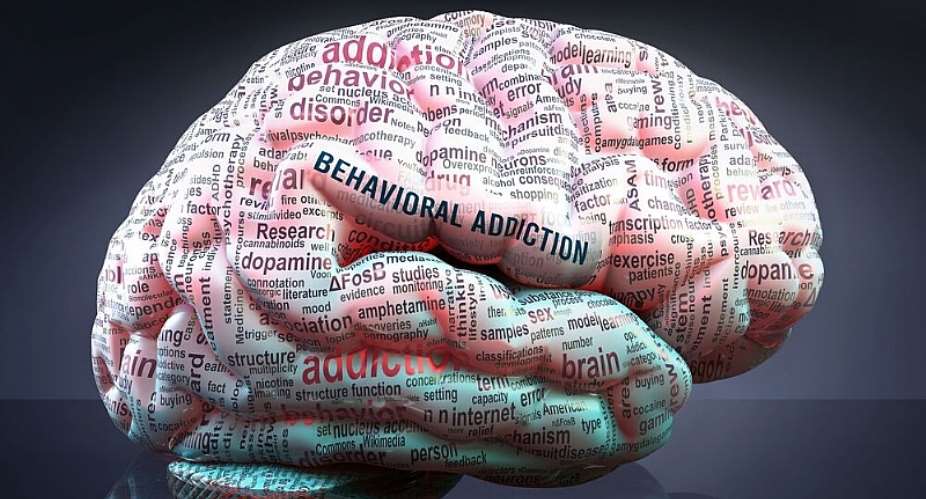
Addiction is a complicated, multidimensional illness that affects people and communities all over the world. It is a task that goes well beyond behavior and explores the complex inner workings of the human mind. A neurological understanding of addiction reveals the deep mechanisms at work and opens the door to more potent interventions and treatments. Fundamentally, addiction involves a rewiring of the brain's circuitry, influencing how we experience pleasure, make choices, and practice self-control. The biochemical basis of addiction have been largely uncovered by neuroscience, which has also shed light on how some drugs or behaviors manipulate the brain's reward system.
Reward processing in the brain is mostly dependent on the mesolimbic pathway, which is part of the brain's reward circuit. The release of neurotransmitters like dopamine is triggered by substances like drugs or actions like gambling, which flood the brain with euphoric feelings and intensify the desire to repeat the experience. On the other hand, prolonged exposure to addictive substances or activities causes profound brain alterations. The brain develops accustomed to these substances over time, which causes tolerance—where more of the substance is required to have the same effect—and dependence—where the substance is eventually necessary for the brain to operate normally.
Addiction is greatly influenced by neuroplasticity, the brain's capacity to rearrange itself and create new connections. Repetitive exposure to addictive stimuli modifies the anatomy and physiology of important brain regions, including the amygdala, which processes emotions and memories, and the prefrontal cortex, which controls impulse control and decision-making.Furthermore, an individual's susceptibility to addiction is influenced by a combination of hereditary and environmental factors. Addiction susceptibility can be greatly impacted by environmental stressors, trauma, or peer pressure, while some people may be genetically predisposed to more intense addictive tendencies.
Neuroscience's perspective on addiction has produced ground-breaking therapies. Targeting the brain's neurological circuits impacted by addiction, interventions like behavioral therapy, medication-assisted treatment, and neurofeedback techniques help people control their cravings, return their brains to normal, and promote long-term recovery.
But the stigma associated with addiction endures, frequently impeding access to helpful resources and assistance for individuals in need. Changing the narrative to emphasize that addiction is a complex interaction of biological, psychological, and social elements rather than just a lack of willpower is made easier by acknowledging addiction as a brain disease.
It is imperative that medical practitioners tackle addiction with compassion and evidence-based interventions. By breaking down myths, incorporating neuroscience into addiction therapy and education promotes a more sympathetic understanding of this difficult disorder. In conclusion, a convincing foundation for comprehending the intricacies of addiction is provided by the neuroscience of addiction. Deciphering the neural connections behind addiction advances our knowledge of the illness and opens the door to novel therapies and a more understanding, compassionate approach to assisting people on their road to recovery.


 Ghana's $10bn trade surplus masks risks of gold dependence – ISSER
 NACOC boss reveals how drug cartels in Ghana acquiring scanners, exploiting insi...
 Artisanal and small-scale mining sector generated $10.8bn in foreign exchange in...
 Obuasi SHTS sexual scandal: 'Veep’s silence does not mean inaction' – Hamza Su...
 October 21: Cedi sells at GHS12.25 on forex market, GHS11.61 on BoG interbank
 GES often favour school managers in sexual abuse investigations – Kofi Asare
 Veep’s silence on Obuasi SHTS scandal worrying – Miracles Aboagye
 ECOWAS deepens EU cooperation to improve disaster response in West Africa
 Nigeria confirms Ebola case as Bundibugyo virus reaches fifth country
 DVLA cautions public against fake SMS payment links and online fine scams


