




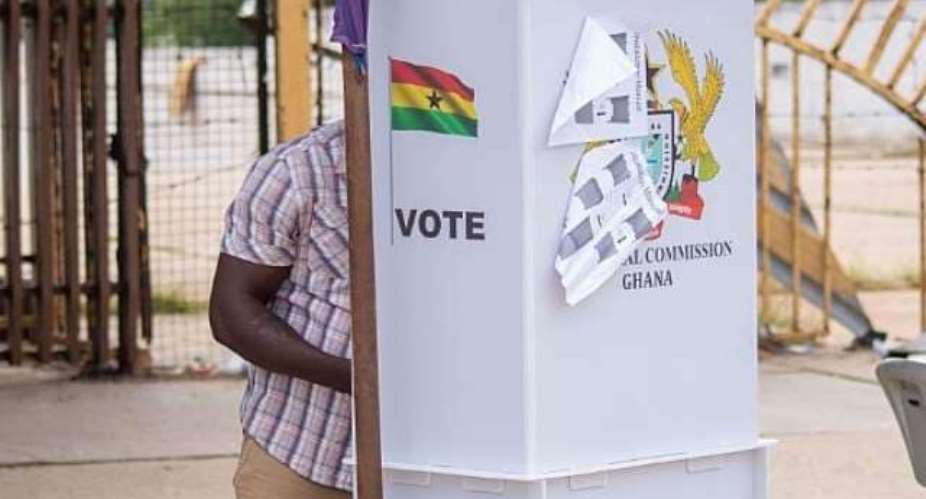
When a sitting Member of Parliament passes away, the nation often mourns collectively. In the midst of the grief, political parties quickly move to prepare for the by-election that follows. Subtly, however, a troubling trend has crept into our political culture. The tendency to field the late MP’s spouse, often the wife, as a candidate, banking on the wave of sympathy votes.
On the surface, it appears compassionate. It seems to honour the memory of the departed, while offering “continuity” in leadership. But beneath this emotional appeal lies a question we must confront. Is Parliament the place for sympathy placements, or for capable leadership?
What if the spouse, however respectable, does not possess the skills required of parliamentarians, or is not prepared for the demands of parliamentary work? What if her only “qualification” is her relationship with the late MP? Are we doing justice to the constituency, or to the spirit of democracy, if emotional appeal overshadows merit? And what if the MP and his wife belonged to different political parties, or that the wife was not comfortable with the ideology of her husband’s party? On the surface it appears all is well, but deep down, there are family secrets. We just assume but we don’t have answers to all the questions, since we are not under the same roof with the couple.
The situation becomes even more delicate when we consider the internal dynamics of political parties. In every constituency, there are party members who have long nurtured ambitions to serve as MP. Some may have been allies of the late legislator, others may have been rivals. In some cases, the late MP may have struck quiet alliances, built networks, and promised future support to certain individuals. These political understandings are swept aside when the sympathy card overrides the party’s internal democratic process.
We must remember that the primary duty of political parties is to present the best candidate; the one most capable of serving the people’s interest, and not merely the one most likely to win a sympathy-driven vote. While emotion is part of politics, it should not replace sound judgment.
Competence against Sympathy
Serving as an MP requires far more than name recognition or emotional connection with voters. It demands leadership, communication skills, interpersonal abilities, drive, organizational competence, and a deep understanding of the legislative process. It calls for the capacity to engage with diverse stakeholders, negotiate effectively, and navigate complex policy issues.
Ghanaian Case Studies
Here are some notable examples from recent Ghanaian politics:
- Ayawaso West Wuogon (2019): After the death of Hon. Emmanuel Kyeremateng Agyarko in November 2018, the New Patriotic Party (NPP) nominated his widow, Lydia Alhassan, who won the by-election with 68.8% of the vote. Critics initially labeled her “the black widow,” although she later defended her position with organizational experience and community ties.
- Mfantseman (2020): When Hon. Ekow Kwansah Hayford was tragically murdered in October 2020, the NPP quickly selected his wife, Ophelia Hayford, as the candidate, after she resigned from her position as an Assistant Superintendent of Police. She went on to retain the seat in the December election, beating her opponents by a narrow margin.
In the 2020 general elections, four widows succeeded their late husbands as parliamentary candidates and won. Ophelia Kwansah Hayford (Mfantseman, NPP), Lydia Alhassan (Ayawaso West Wuogon, NPP), Linda Akweley Ocloo (Shai Osudoku, NDC), and Lydia Akanvariba Lamisi (Tempane, NDC).
These stories, while emotionally resonant, reveal deeper dynamics at play. Party loyalty and continuity often trump open competition or leadership preparedness. This pattern can overshadow internal aspirants who may have long nurtured ambitions or been quietly building influence.
Implications for Democratic Culture
In the long run, relying on sympathy votes can harm our politics. It risks weakening the quality of representation, creating a precedent where emotion trumps merit, and setting the stage for MPs who may not have the passion or competence to serve effectively.
Ghanaians deserve MPs chosen on the basis of readiness, capacity, and vision, and not simply their proximity to a departed leader. Let us mourn our leaders with dignity, but let us also respect our democracy enough to ensure that the people’s representatives are selected through fair, competitive, and merit-based processes. If we truly want to honour our late MPs, we must protect the integrity of the offices they once held.
There are many highly competent people who are bidding their time to serve the motherland. Let us create a level playing field which will encourage them to show their faces. Ghana is not prepared for a family dynasty, and we should nip it in the bud for future generations. That will be the wish of every departed MP.
FUSEINI ABDULAI BRAIMAH
+2330208282575 / +233550558008
[email protected]

 VIDEO: Ayanfuri Chief dies after testing potency of his juju at funeral
 Ashanti North Police interdict Inspector over defilement allegations
 Here are areas to face power outage over ECG planned maintenance today
 Ghana pushes for instant payment systems across Africa
 GAF to conduct Exercise Storm Shield 2026 in Bono and Upper East
 ECG resumes two key stalled projects in Kumasi
 Mahama breaks ground for Green City Housing Project at Dedesua near Kumasi
 Celebrating mothers: Honouring the Heart of the Ghanaian Society
 EOCO Boss Raymond Archer defends PDS investigation methods
 Snakes, weeds take over multi-million 1D1F starch factory at Kyekyewere in Assin...


