




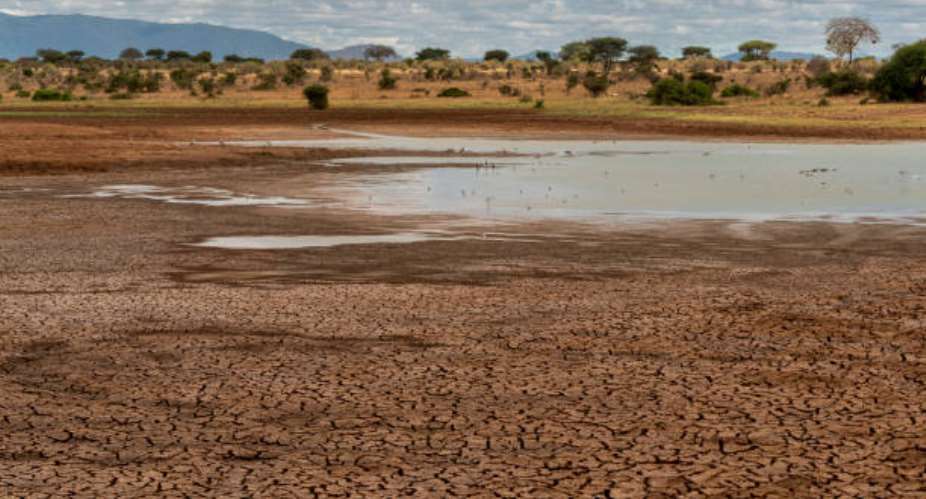
Climate change has become one of the most pressing global challenges, not only affecting ecosystems and economies but also influencing international relations, political stability and national security. With its broad and far-reaching impacts, climate change has the potential to exacerbate existing conflicts, instigate new ones and drive large-scale migration, particularly in fragile states. These states are often already grappling with political instability, weak governance structures and economic challenges. In these contexts, the effects of climate change, such as extreme weather events, resource scarcity and shifting agricultural patterns, can worsen tensions, destabilize governments and fuel conflicts. In this piece, we will explore how climate change is contributing to international conflicts, migration and national security concerns, particularly in fragile states, by examining the link between climate-induced stress and instability, the role of resource scarcity in conflict, the impact of migration and the national security challenges posed by climate change.
Climate Change and Fragile States
Fragile states are characterized by weak institutions, poor governance and a lack of capacity to address both internal and external challenges. These states are particularly vulnerable to the effects of climate change, as they often lack the resources, infrastructure and institutional frameworks necessary to mitigate and adapt to climate-related shocks. The impact of climate change in these states is multi-faceted, ranging from droughts and floods to rising sea levels and changing rainfall patterns. These changes directly affect the livelihoods of individuals, especially those in agriculture, which is often the backbone of fragile states' economies.
In fragile states, climate change can act as a “threat multiplier”, exacerbating pre-existing vulnerabilities and tensions. For instance, in regions where resources such as water, food and land are already scarce, climate change can further reduce the availability of these essential resources, leading to competition and conflict. This situation is particularly evident in sub-Saharan Africa, the Middle East and parts of Asia, where many fragile states are experiencing the combined pressures of climate change and conflict. In countries like Sudan, Somalia and Yemen, environmental stressors such as droughts and desertification have intensified the existing political and social strains, contributing to the fragility of these states.
Resource Scarcity and Conflict
One of the primary ways in which climate change exacerbates international conflict is through its impact on the availability and distribution of natural resources. As climate change leads to more frequent and intense weather events, including droughts, floods and heatwaves, the availability of key resources such as water, arable land and energy becomes increasingly uncertain. In many parts of the world, the competition for these resources is already a source of tension between communities, ethnic groups and even nations.
In regions where resources are scarce, climate-induced changes in resource distribution can heighten existing rivalries and provoke violent conflict. For example, in the Sahel region of Africa, recurring droughts and desertification have led to intense competition over water and arable land between pastoralist and agricultural communities. This competition has fueled clashes between different ethnic groups, with devastating consequences for local populations and broader regional stability. In the Middle East, countries such as Syria have experienced severe droughts that have significantly impacted agricultural production, exacerbating food insecurity and contributing to social unrest. In this case, climate-induced resource scarcity has been cited as a factor that triggered the 2011 uprising in Syria, which ultimately escalated into a protracted civil war.
Similarly, in regions like the Horn of Africa, where both intercommunal and interstate conflicts are already prevalent, competition over dwindling natural resources can further strain relationships. The effects of climate change in these areas not only drive conflict within nations but can also spill over into neighboring countries, especially when cross-border resource management is weak or absent. The geopolitical ramifications of climate-induced resource scarcity, particularly in contested areas such as the Nile River Basin, where Ethiopia, Egypt and Sudan have long-standing disputes over water access, are a case in point. As climate change exacerbates water scarcity, tensions over the allocation of shared resources are likely to intensify.
Migration and Climate-Induced Displacement
Climate change is a significant driver of migration, particularly in fragile states that are more prone to environmental disasters and resource shortages. As climate change makes certain regions less habitable due to extreme temperatures, rising sea levels, or chronic droughts, people are increasingly forced to migrate in search of better living conditions. This migration can be internal, as people move from rural to urban areas or international, as people cross borders in search of refuge.
The effects of climate change on migration are most pronounced in areas where people depend heavily on agriculture for their livelihoods. In regions like the Sahel, large-scale droughts and desertification have reduced agricultural productivity, forcing people to leave their homes in search of food, water and work. In coastal areas, rising sea levels threaten to inundate low-lying regions, displacing entire populations and creating environmental refugees. Bangladesh, a country already struggling with poverty and political instability, is particularly vulnerable to the effects of rising sea levels. As large portions of the country become uninhabitable, millions of people may be forced to migrate, either internally or to neighboring countries, further intensifying pressure on already strained resources and infrastructure.
This migration, whether internal or cross-border, can exacerbate tensions in receiving regions or countries, especially when migrants are perceived as competitors for jobs, housing and other resources. Host countries, particularly in the Global South, often lack the resources to accommodate large influxes of migrants, leading to overcrowded cities, increased unemployment and social unrest. Moreover, migration from climate-impacted areas can fuel xenophobia, nationalism and anti-immigrant sentiment, especially in countries with already high levels of political instability.
The European Union's refugee crisis, which saw large numbers of migrants from the Middle East and Africa, is one example of how climate-induced displacement can exacerbate existing tensions. While many factors contributed to the crisis, the role of climate change in driving migration, particularly from countries like Syria, cannot be ignored. As environmental stressors intensify in fragile regions, the scale of climate-induced migration is likely to increase, creating new challenges for international cooperation and peacekeeping efforts.
National Security Concerns
The national security implications of climate change are becoming increasingly apparent, especially in fragile states and conflict-prone regions. Climate change has the potential to weaken the security and defense capabilities of states, making them more susceptible to external threats and internal instability. One of the most significant concerns is that climate-induced resource scarcity and migration can lead to increased violence and instability, both within states and in their relationships with neighboring countries.
Climate change can also contribute to the breakdown of social cohesion and the erosion of state authority, particularly in fragile states. As governments struggle to address the impacts of climate change, including natural disasters and resource shortages, their legitimacy may be undermined, leading to political instability. In regions where governance is already weak, this can create opportunities for extremist groups and criminal organizations to gain influence, further complicating efforts to maintain peace and security.
The security implications of climate change are not limited to fragile states alone. Major powers are also beginning to recognize the strategic importance of addressing climate change as part of their national security strategies. For instance, in the Arctic, rapidly melting ice is opening up new shipping routes and access to valuable resources, which could fuel competition between states, particularly the United States, Russia, and Canada. Similarly, the potential for climate-induced conflicts over water resources, such as those in the Nile River Basin or the Indus River Basin, could lead to greater tensions between neighboring states.
International Cooperation and the Role of Global Governance
Addressing the intersection of climate change, conflict and national security requires international cooperation and a coordinated approach. Climate change is a global challenge that transcends national borders and its impacts are felt by all countries, particularly those that are already fragile. International institutions, such as the United Nations, the World Bank and regional organizations, play a crucial role in facilitating cooperation and providing support to vulnerable states.
Efforts to address climate-related conflicts and migration should focus on building resilience in fragile states through investments in infrastructure, education and governance. The development of early warning systems for climate-induced disasters, the promotion of sustainable agriculture practices, and the enhancement of cross-border cooperation on resource management can help mitigate the impacts of climate change and reduce the risk of conflict. Moreover, addressing the root causes of migration, such as poverty, inequality and environmental degradation, can help prevent large-scale displacement and its associated security challenges.
Conclusion
Climate change is increasingly recognized as a driver of international conflict, migration and national security concerns, particularly in fragile states. The impacts of climate change, including resource scarcity, extreme weather events and displacement, are exacerbating existing vulnerabilities, contributing to tensions and conflict and challenging the ability of states to maintain security and stability. Fragile states, in particular, are at the forefront of these challenges, as they struggle to cope with the multifaceted effects of climate change. As the global community continues to grapple with the realities of climate change, it is essential that international cooperation and governance mechanisms are strengthened to address these complex and interconnected challenges. The need for a coordinated, comprehensive response to climate-induced conflict and migration is more urgent than ever, as the consequences of inaction could further destabilize fragile states and contribute to broader global insecurity.
The writer is a journalist and columnist specializing in international affairs, a PR expert, and a journalism lecturer with a PhD in Journalism and expertise in global diplomacy and foreign policy. Contact: [email protected]


 Bolgatanga: Man found dead by roadside in Sumbrungu as police investigate
 Ghana concludes cocoa freight negotiations for 2026/27 season
 Blakk Rasta accuses Gushegu NPP MP Alhassan Tampuli of funding Ghana Jollof atta...
 €225m Cocaine Shipment: Court to rule on bail application of six accused in 3.9-...
 BoG pilots cedi-based payment system for Ghana-China trade
 2026 BECE: Ten schools score zero percent in Adaklu as girls outperformed boys
 Gold shipments resume as Ghana rebuilds foreign exchange reserves — BoG governor
 ECG unions to stage nationwide protest over proposed private sector participatio...
 ‘That penalty is a joke’ — Queiroz rejects referee decision in Ghana’s loss to C...
 'Sceptics, naysayers, alarmists should be aware US ready to work with Ghana on r...


