




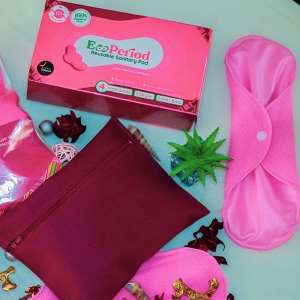
As an eco-feminist dedicated to championing gender equity and environmental sustainability, I see a transformative opportunity in the proposal to incorporate EcoPeriod reusable pads into Mahama’s forthcoming policy to distribute free sanitary pads to primary and secondary school girls. This initiative goes beyond addressing period poverty—it embodies a holistic approach to empowering young girls, fostering eco-consciousness, and embracing culturally attuned, economically viable solutions that pave the way for a more sustainable and equitable future.
The Context: Mahama’s Vision and the Menstrual Hygiene Challenge
The proposed policy to distribute sanitary pads is laudable, aiming to ensure that no girl’s education is interrupted by the lack of menstrual hygiene products. However, traditional disposable pads, while addressing immediate needs, come with challenges—economic, environmental, and cultural—that must be tackled for a truly sustainable impact.
Disposable pads are cost-intensive and environmentally damaging, contributing significantly to Ghana’s plastic waste crisis. Worse, millions of low-income girls and women are forced to resort to unsafe alternatives such as newspapers, old rags, or even plastic-studded pads, which harm both their health and dignity.
EcoPeriod Pads, a locally produced high quality ecofriendly and affordable, innovative reusable sanitary pad, offer a transformative solution that addresses these issues holistically. Here’s why they deserve serious consideration.
Healthier and Culturally Appropriate
EcoPeriod Pads are carefully crafted from the finest soft absorbent, and sustainable fabrics, ensuring comfort and reliability. Free from irritating synthetic chemicals and gels, they significantly reduce the risks of cervical infections, skin irritations, and allergies. To further enhance hygiene and safety, the pads undergo UV sterilization before being carefully packaged, guaranteeing superior cleanliness. This meticulous process, combined with the product’s thoughtful design, ensures optimal hygiene and long-term health benefits for users.
Culturally, EcoPeriod Pads align with cultural traditions and religious teachings for instanc, Islamic teachings discourage the disposal of menstrual materials with the organic matter in landfills. Instead, these pads can be washed and reused, promoting a respectful and sustainable approach to menstrual management. This cultural sensitivity ensures higher acceptance rates among diverse communities across Ghana.
Economic Benefits: Cost-Effective and Locally Produced
One of the most compelling arguments for EcoPeriod Pads is their financial sustainability. Each pack lasts for at least three years, eliminating the need for monthly purchases. For the government, this means significant cost savings compared to continually supplying disposable pads. Over three years, distributing EcoPeriod Pads could cost up to 70% less than single-use options.
EcoPeriod Pads are proudly made in Ghana by Ghanaian women, creating much-needed jobs and fostering economic empowerment. By choosing EcoPeriod Pads, the government supports local industries and drives economic growth, particularly among women-led enterprises.
Environmental Impact: Tackling Plastic Waste
Disposable sanitary pads contribute significantly to plastic pollution. A single user generates hundreds of kilograms of waste over her lifetime, much of which ends up in landfills, water bodies, or sewage systems, exacerbating flooding and environmental degradation.
EcoPeriod Pads offer a sustainable alternative. They eliminate the need for single-use plastics, directly addressing waste management challenges and contributing to a cleaner and greener Ghana. By adopting this solution, Mahama’s policy could position Ghana as a regional leader in sustainable menstrual hygiene management.
Empowering Girls and Boosting Education
Period poverty has devastating consequences for girls’ education. Many young women miss school due to stigma, lack of access to hygiene products, or the use of unsafe alternatives. By providing EcoPeriod Pads, the government ensures that girls can manage their periods safely, comfortably, and with dignity.
Moreover, the re-usability and durability of EcoPeriod Pads means girls won’t have to worry about recurring costs or stockouts. This consistency is crucial for reducing absenteeism and supporting educational attainment.
A Call to Action
Mahama’s policy is a golden opportunity to redefine menstrual hygiene in Ghana. By including EcoPeriod Pads in the sanitary kit distribution, the government can:
- Promote Health and Hygiene: Provide a safer, healthier alternative to single-use disposable pads.
- Support Local Industries: Empower Ghanaian women and create sustainable jobs.
- Reduce Costs: Achieve significant savings through a durable, reusable solution.
- Protect the Environment: Tackle plastic waste and promote eco-conscious practices.
- Ensure Cultural Sensitivity: Align with cultural and religious preferences for greater acceptance.
This decision is more than a policy—it’s an investment in Ghana’s future, empowering women and girls while protecting our planet. By championing EcoPeriod Pads, Mahama’s administration can lead the way in sustainable development and social impact.
Let us seize this opportunity to prioritize innovation, sustainability, and empowerment in Ghana’s menstrual health policies. Together, we can ensure that every girl’s education and dignity are upheld while fostering a healthier, greener future for all.
 VIDEO: Ayanfuri Chief dies after testing potency of his juju at funeral
 Ashanti North Police interdict Inspector over defilement allegations
 Here are areas to face power outage over ECG planned maintenance today
 Ghana pushes for instant payment systems across Africa
 GAF to conduct Exercise Storm Shield 2026 in Bono and Upper East
 ECG resumes two key stalled projects in Kumasi
 Mahama breaks ground for Green City Housing Project at Dedesua near Kumasi
 Celebrating mothers: Honouring the Heart of the Ghanaian Society
 EOCO Boss Raymond Archer defends PDS investigation methods
 Snakes, weeds take over multi-million 1D1F starch factory at Kyekyewere in Assin...


