




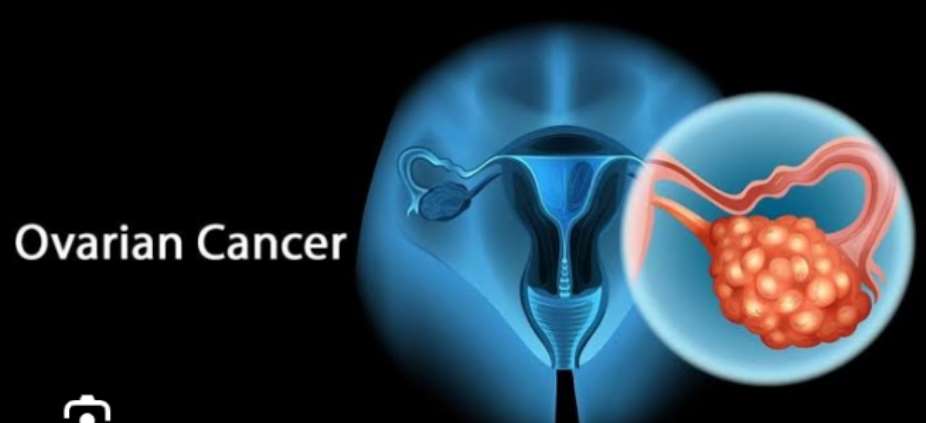
Today is World Ovarian Cancer Day
Every year on May 8th, the world comes together to raise awareness about ovarian cancer one of the most serious gynecological cancers affecting women globally. Today, May 8, 2026, marks the 14th edition of this important global observance, with the theme "No Woman Left Behind."
In Ghana and across the West African sub-region, this day carries special urgency. Ovarian cancer continues to claim the lives of women who had no idea they were sick not because treatment is impossible, but because awareness is desperately low, diagnosis comes too late, and access to proper healthcare remains deeply unequal.
Today, we say: not one more woman should die in ignorance.
The Global Burden And Why Africa Bears the Heaviest Weight
Ovarian cancer was reported as the third most common gynecological cancer worldwide in 2020, with over 313,959 new cases recorded globally. It is the eighth most common cause of cancer death in the world, claiming more than 200,000 lives every year. According to GLOBOCAN projections, the number of women diagnosed with ovarian cancer and deaths from it will increase by 42% and 50% respectively by 2040.
Most devastatingly, two-thirds of women with ovarian cancer who were diagnosed or who died were from low- or middle-income nations the very regions where awareness is lowest and access to screening, diagnosis, and advanced treatment is most limited.
Ghana and West Africa sit squarely within this vulnerable category. Women in the sub-region face a triple burden: limited awareness of the disease, a shortage of diagnostic facilities, and cultural barriers that discourage women from speaking openly about gynecological health. The result is a silent epidemic one that robs families of mothers, grandmothers, sisters, and daughters every single year.
What is Ovarian Cancer? Understanding the Disease
The ovaries are two small, almond-shaped organs located on either side of the uterus in a woman's pelvis. They produce eggs as well as the hormones oestrogen and progesterone, which regulate the menstrual cycle and pregnancy. Ovarian cancer occurs when abnormal cells in or around the ovaries begin to grow and multiply uncontrollably, forming tumors that can spread to other parts of the body.
There are several types of ovarian cancer, the most common being epithelial ovarian cancer, which develops in the outer lining of the ovary. Other types include germ cell tumors and stromal tumors, each with different characteristics and treatment approaches.
What makes ovarian cancer particularly dangerous is that, unlike cervical or breast cancer, there is currently no reliable routine screening test for it meaning a woman can have the disease for months or even years without knowing. By the time symptoms become obvious enough to prompt a hospital visit, the cancer has often already spread beyond the ovary.
Only approximately 20% of women receive an early ovarian cancer diagnosis while it is still in Stage I or II before it progresses to advanced stages. Early detection dramatically improves survival rates, which is why education and awareness are literally life-saving tools.
Know the Signs: Symptoms Every Ghanaian and West African Woman Must Know
One of the greatest dangers of ovarian cancer is how easily its symptoms are mistaken for everyday ailments indigestion, period pain, urinary infections, or simply "women's problems." In a region where many women delay seeking medical attention or self-medicate, this confusion can be fatal.
Ovarian cancer symptoms can look like common digestive or urinary issues. The key warning signs that must never be ignored include persistent bloating, pelvic pain, feeling full very quickly when eating, and urinary urgency the need to urinate more often or more urgently than usual.
The critical word is persistent. Every woman occasionally feels bloated or experiences pelvic discomfort. But when these symptoms occur regularly almost every day for more than two to three weeks, they must be investigated by a doctor without delay.
Other symptoms to watch for include:
Unexplained weight loss or weight gain
Pain during sexual intercourse
Changes in bowel habits constipation or diarrhea that is new and persistent
Abnormal vaginal bleeding especially after menopause
Persistent fatigue and low energy
A swollen or visibly enlarged abdomen
Ovarian cancer is more common after menopause, especially after the age of 50. Any new bloating, pelvic pain, urinary changes, or postmenopausal bleeding should be discussed with a doctor immediately.
A Critical Misconception: The Pap Smear Does NOT Detect Ovarian Cancer
This is perhaps the most dangerous and widespread myth across Ghana and West Africa and it must be urgently corrected.
Many women still believe the false perception that a Pap smear test can diagnose ovarian cancer. This is incorrect. A Pap smear screens for cervical cancer only cancer of the cervix. It tells us nothing about the condition of the ovaries.
A CA-125 blood test is helpful in detecting ovarian cancer markers but cannot diagnose ovarian cancer on its own. Ultrasound, imaging, physical examination, and tissue diagnosis may all be needed for a conclusive diagnosis.
Women in Ghana and West Africa who believe they are protected because they had a Pap smear may be entirely unaware that their ovaries have never been examined. This gap in understanding is costing lives. Every woman must understand: ask your doctor specifically about your ovaries.
Who is at Risk? Understanding the Risk Factors
While ovarian cancer can affect any woman, certain factors increase the risk:
Age The risk increases significantly after the age of 50, with most cases diagnosed in post-menopausal women. However, younger women are not immune, and certain types such as Low-Grade Serous Ovarian Cancer (LGSOC) more commonly affect younger women.
Family History and Genetics Women with a family history of ovarian, breast, or colorectal cancer should discuss risk assessment with a doctor. Mutations in the BRCA1 and BRCA2 genes significantly elevate ovarian cancer risk. In West Africa, where genetic testing is rarely available or affordable, family medical history becomes an even more important conversation to have.
Never Having Been Pregnant Women who have never carried a pregnancy to term face a slightly higher risk, while breastfeeding and multiple pregnancies appear to offer some protective effect.
Endometriosis Women with this condition, where uterine tissue grows outside the uterus, face an elevated risk of certain types of ovarian cancer.
Obesity Excess body weight has been linked to increased risk of several cancers, including ovarian cancer.
Hormone Replacement Therapy (HRT) Long-term use of certain HRT medications after menopause has been associated with slightly increased risk.
The "No Woman Left Behind" Theme What It Means for West Africa
This year's theme reflects an unwavering commitment to equity in ovarian cancer outcomes worldwide. No woman's symptoms should be dismissed. No woman should face unnecessary delays in diagnosis. No woman should be denied quality care because of where she lives. "No Woman Left Behind" is a call to health systems, policymakers, and communities to close the gaps that cost lives and to ensure that progress in ovarian cancer reaches every woman, everywhere.
For West Africa, these words are not merely inspirational they are a direct challenge to governments, health ministries, hospitals, and communities across Ghana, Nigeria, Côte d'Ivoire, Senegal, Sierra Leone, Liberia, Togo, Benin, and beyond.
Women in rural communities, women without health insurance, women who cannot afford transport to a regional hospital these are the women most likely to be "left behind." They are the ones who present to health facilities only when the disease is already at an advanced, difficult-to-treat stage. They are the ones who deserve our greatest urgency and our loudest advocacy.
What Must Change in Ghana and West Africa
Government Must Priorities Women's Cancer Screening
National health programmes in Ghana and across the sub-region must expand beyond cervical and breast cancer to include systematic ovarian cancer awareness. Health workers at community health centers and CHPS compounds must be trained to ask the right questions and refer women with persistent gynecological symptoms promptly.
Education Must Begin in Schools and Communities
Young girls and women must learn about their reproductive anatomy and health from an early age. Community health advocates, religious leaders, queen mothers, and women's group leaders all have a critical role to play in normalizing conversations about gynecological health.
The Myths Must Be Dismantled
The belief that gynecological cancers are a result of promiscuity, spiritual attacks, or punishment must be actively challenged. These harmful myths prevent women from seeking help and drive deadly delays in diagnosis.
Affordable Diagnostic Access Must Expand
Ultrasound machines and CA-125 blood testing must be made more widely available and affordable across Ghana and the sub-region. A woman in Tamale, Wa, Sunyani, or Ho deserves the same access to diagnostic testing as a woman in Accra.
Women Must Advocate for Themselves
It is especially important that women of all ages know how important it is to pay attention to new or unusual symptoms and to advocate for their health if their symptoms are overlooked by doctors. If a doctor dismisses your concern, seek a second opinion. You know your body. Trust it.
A Message to Every Woman in Ghana and West Africa Today
You are not too young, too old, too busy, or too healthy to pay attention to your body. Ovarian cancer does not announce itself loudly. It whispers in a persistent bloat, in a dull pelvic ache, in a frequent urge to use the toilet. Listen to those whispers.
Supported by over 200 organizations from around the world from small kitchen table-based patient advocacy groups in rural communities to national healthcare associations the global ovarian cancer community comes together today as one. Ghana and West Africa must be part of that conversation.
Talk to your mother. Talk to your sister. Talk to your daughter. Talk to your friend. Share this article. Wear a teal ribbon. Book a gynecological check-up. Ask your doctor directly: "What about my ovaries?"
Ovarian cancer may often remain silent in its early stages, but spreading awareness about symptoms, risk factors, and treatment options can help women seek medical attention sooner. Through global unity, medical advancement, and public awareness campaigns, the fight against ovarian cancer continues to grow stronger every year.
No woman in Ghana. No woman in West Africa. No woman anywhere. Should be left behind.
Today, May 8, 2026, is World Ovarian Cancer Day. The color of awareness is teal. Wear it. Share it. Live it.
For gynecological concerns, contact your nearest hospital, polyclinic, or regional health centre. Early action saves lives.
Mustapha Bature Sallama.
Medical/ Science Communicator,
Private Investigator, Criminal investigation and Intelligence Analysis.
International Conflict Management and Peace Building.USIP
[email protected]
+233-555-275-880

 EOCO declares three women wanted
 Four killed in Savannah Region road crash involving tipper truck
 Mali junta says will not talk with 'terrorist' groups
 Ho Central Mosque tension persist as court bonds rival Imam factions for peace
 Landlords could face GH¢3,000 fine or jail term for failure to register tenancy ...
 IGP special operations team seizes drugs worth GH¢200,000
 Toyota Voxy driver convicted over dangerous driving on Kumasi-Accra highway
 South Africa xenophobic attacks a setback to African solidarity — Zanetor
 GTA intensifies enforcement against illegal hostels around Legon and UPSA
 'You will be arrested' — Police warns individuals engaging in criminality under ...


