




An Alternative Route Back to Life
For many Ghanaians battling chronic back pain caused by spondylosis a degenerative condition of the spine the conventional medical path often leads to one dreaded destination: the operating theatre. But at the Hijama Healing Cupping Therapy Centre in Kumasi, a growing number of patients are discovering that a combination of naturopathic care, chiropractic treatment, and Hijama (cupping therapy) is offering genuine, lasting relief without going under the knife.
The centre, which specializes in these time-honored yet increasingly medically recognized therapeutic approaches, has become a beacon of hope for patients who had either been referred away from surgery or who sought an alternative before consenting to one.
Understanding Spondylosis: The Silent Destroyer of the Spine
Spondylosis is a degenerative spinal condition that affects millions of people worldwide, yet remains widely misunderstood by the general public. At its core, spondylosis refers to the gradual breakdown of the structures that make up the spine particularly the intervertebral discs, the cartilage, and the bones (vertebrae) themselves as a result of ageing, wear and tear, and in some cases, genetic predisposition.
The spine is made up of a series of bones stacked on top of one another, cushioned between each level by soft, gel-like discs that act as shock absorbers. Over time and sometimes accelerated by poor posture, physical labour, sedentary lifestyles, or previous injuries these discs begin to dry out and shrink. The bones may respond by growing bony outgrowths called osteophytes (commonly known as bone spurs), which can press on surrounding nerves and the spinal cord itself.
There are three main types of spondylosis, depending on where in the spine the degeneration occurs:
Cervical Spondylosis affects the neck region and is the most common form. It can cause neck pain and stiffness, headaches, and in more severe cases, numbness or tingling in the arms and hands as nerves in the neck become compressed.
Thoracic Spondylosis affects the mid-back region. It is less common than the other two types but can cause persistent mid-back pain and, in advanced cases, affect the chest and abdomen.
Lumbar Spondylosis affects the lower back the lumbar region and is one of the leading causes of chronic lower back pain in adults. It is particularly common among people who spend long hours standing, lifting heavy loads, or sitting in poor posture. Pain can radiate down the legs in a condition known as sciatica when the sciatic nerve is affected.
Who is at Risk?
Spondylosis does not discriminate widely. While it is most commonly associated with people over the age of 40, it can affect younger individuals, particularly those whose occupations or lifestyles place repeated stress on the spine. Factors that increase the risk include:
Age the older the body, the greater the natural wear on spinal structures
Occupation manual labour, heavy lifting, long hours of sitting or standing
Obesity excess body weight places added pressure on the lumbar spine
Previous spinal injuries trauma can accelerate degeneration
Sedentary lifestyle weak core and back muscles provide less support to the spine
Genetics some individuals are predisposed to faster disc degeneration
Symptoms to Watch For
The symptoms of spondylosis can be subtle at first and worsen gradually over time. They include:
Persistent or intermittent back or neck pain
Stiffness, especially in the morning or after prolonged rest
Muscle weakness in the arms or legs
Numbness or tingling sensations radiating into the limbs
Difficulty walking, balancing, or coordinating movement in severe cases
In the most advanced cases, loss of bladder or bowel control a medical emergency
Why It Must Not Be Ignored
One of the most dangerous aspects of spondylosis is how easily it is dismissed as "ordinary back pain" or simply the inevitable aches of ageing. Many sufferers, like those at the Hijama Healing Cupping Therapy Centre in Kumasi, endure years of discomfort before seeking proper diagnosis and treatment. Left unaddressed, spondylosis can progressively worsen reducing mobility, disrupting sleep, affecting mental health, and ultimately threatening a person's ability to work, care for their family, or live independently.
Early intervention whether through conventional medicine, integrative therapies such as Hijama, chiropractic care, and naturopathy, or a combination of both is critical to slowing the progression of the condition and restoring quality of life.
Faustina Boaten, 54: "I Am Getting My Strength Back"
For Faustina Boaten, a 54-year-old woman from Kumasi, back pain had been a constant, unwelcome companion for many years. Simple tasks that most people take for granted rising from a seat, bending, walking without wincing had become daily battles. Years of living with the discomfort had worn her down physically and emotionally.
After hearing about the Hijama Healing Cupping Therapy Centre, Faustina decided to give it a chance. Within just a few weeks of commencing her treatment programme which combined naturopathic care and Hijama cupping sessions she began to notice something she had almost forgotten: strength returning to her back.
"I have suffered with this pain for so many years," she shared. "But since I started coming here for treatment, I am beginning to feel the difference. My back is getting stronger. I did not believe it would happen this fast."
Her testimony is a powerful reminder that for some patients, the body, when properly supported through holistic therapy, has a remarkable capacity to begin healing itself.
Abdulkareem Mohammed, 40: A Man Seeking His Life Back
At just 40 years old, Abdulkareem Mohammed found himself trapped in a body that felt decades older. Chronic back pain from spondylosis had significantly disrupted his daily life and professional activities. Like many men his age, he had pushed through the pain for too long before finally seeking targeted help.
Abdulkareem is currently undergoing his treatment programme at the Hijama Healing Cupping Therapy Centre, where the combination of chiropractic adjustments and cupping therapy is being used to relieve the pressure on his spine, improve circulation to the affected areas, and reduce the deep-seated inflammation driving his pain. He represents the growing number of working-age Ghanaians who are turning to integrative therapy before or instead of surgical intervention.
Kwabena Adufour: From Korle Bu's Theatres to Kumasi's Healing Hands
Perhaps the most striking testimony at the centre belongs to Kwabena Adufour, whose journey to recovery took him from the corridors of one of Ghana's most prestigious medical institutions to the therapy beds of Kumasi's Hijama Healing Centre.
Kwabena had battled severe spondylosis for many years a condition so debilitating that he lost the ability to walk properly as his pain intensified. When his condition became critical, his company took decisive action and referred him to Korle Bu Teaching Hospital in Accra, one of West Africa's leading hospitals, for proper medical assessment.
At Korle Bu, surgeons examined Kwabena thoroughly. Their conclusion was striking: rather than proceeding to surgery, the medical team decided that therapeutic intervention would serve him better at that stage a testament to the growing recognition within mainstream medicine that surgery is not always the first or best answer for spinal conditions.
Acting on their recommendation, Kwabena checked into the Hijama Healing Cupping Therapy Centre in Kumasi. He has now been receiving treatment for close to a month, and the results have been remarkable. The severe, searing pain that once made sleep impossibility has begun to subside significantly. For the first time in a long time, Kwabena is sleeping through the night a milestone that anyone who has lived with chronic spinal pain will understand is no small victory.
"The pain has come down," he said. "I can sleep now. It was not like this before."
The Therapy Explained: Why Hijama, Chiropractic and Naturopathy Work Together
The Hijama Healing Cupping Therapy Centre's approach is rooted in an integrative model that addresses spondylosis from multiple angles simultaneously.
Hijama (Cupping Therapy) an ancient practice with roots in Islamic and traditional medicine involves placing cups on the skin to create suction, drawing stagnant blood to the surface, improving circulation, and reducing inflammation in targeted areas of the spine and surrounding muscles.
Chiropractic therapy involves the skilled manual manipulation of the spine to realign vertebrae, relieve nerve pressure, and restore proper spinal mechanics directly addressing the structural component of spondylosis.
Naturopathy supports the body's overall healing environment through natural remedies, dietary guidance, and lifestyle adjustments that reduce systemic inflammation and strengthen the body's own repair mechanisms.
Together, these three approaches form a powerful, non-surgical protocol that, as the testimonies of Faustina, Abdulkareem, and Kwabena demonstrate, is delivering real results for patients in Kumasi.
A Growing Movement Toward Integrative Care in Ghana
The stories emerging from the Hijama Healing Cupping Therapy Centre in Kumasi reflect a broader shift in how Ghanaians and indeed Africans across the continent are approaching chronic conditions like spondylosis. Rather than viewing conventional and traditional medicine as opposites, patients and some medical professionals are increasingly recognizing the value of combining the best of both worlds.
For the patients at this centre, that combination is not merely theoretical. It is changing their lives one treatment at a time.
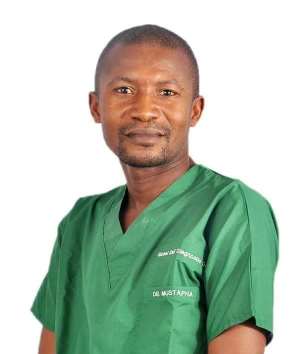
Mustapha Bature Sallama.
Medical/ Science Communicator,
Private Investigator, Criminal investigation and Intelligence Analysis.
International Conflict Management and Peace Building.USIP
[email protected]
+233-555-275-880

 Accra Is Sinking Yet Again — Time to Be Truthful With Ourselves
 Fire guts rubber factory at Circle Odawna as flooding hampers firefighting effor...
 Flooding strands commuters on Winneba Cape Coast Highway
 Three feared dead after electrocution in Alajo flooding incident
 Nine missing after floods hit Awutu Senya East
 'Your mother, I should go to heaven and ask Nebuchadnezzar to stop the rain?' — ...
 Flood victim found dead along Alajo Railway track as rescue operations continue
 GMet warns more rain as flooding disrupts movement across Greater Accra
 'You sit on social media and talk nkwasiasem' — Nigel Gaisie blasts critics over...
 Osahen Afenyo-Markin accuses NDC of using GoldBod to promote illegal mining
