




A Sector in Freefall
Since the military coup of July 2023, Niger's once-modest but functional hotel and hospitality sector has been brought to its knees. A devastating combination of security threats, international sanctions, Western travel bans, diplomatic isolation, and the exodus of foreign nationals has drained hotels in Niamey and beyond of their primary clientele expatriates, diplomats, business travelers, and international organization staff.
Travel Warnings Shut Out Foreign Guests
On January 30, 2026, the US Department of State ordered non-emergency government employees and their family members to leave Niger due to safety risks, adding that the US government cannot offer routine or emergency services to US citizens outside of Niamey.
Niger's security environment has collapsed following 18 months of political instability. The military junta that seized power from President Mohamed Bazoum has struggled to maintain order whilst facing international sanctions and the withdrawal of Western security partnerships.
The departure of French forces in December 2023 and the suspension of US military cooperation have created security vacuums that insurgent groups have rapidly exploited. Commercial flight options remain severely limited, with many airlines suspending services to Diori Hamani International Airport since February 2026.
Kidnapping represents a paramount threat to foreign nationals, with criminal gangs specifically targeting Europeans and Americans. Armed robbery occurs daily in urban centers, and criminals operate sophisticated networks that monitor hotel registrations and flight manifests. This reality has made hotels once a haven for international visitors effectively targets in themselves.
The Soluxe Affair: A Symptom of Deeper Trouble
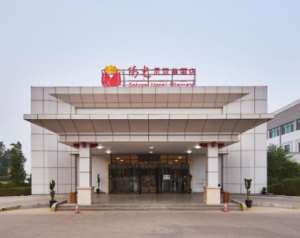
The collapse of Niger's hotel sector is also reflected in high-profile regulatory fallouts. The Nigerien government brought an end to the operation of the Soluxe International Hotel in Niamey by a Chinese company, by ministerial decree dated March 6, 2025. The Minister of Crafts and Tourism revoked the operating license of the luxury hotel, citing serious violations of regulations in force including discriminatory practices banning certain nationalities from access, unauthorized extension works, and falsification of data on overnight stays declared for the Tourism Development Fund tax.
The Soluxe, known for its high standing and international clientele, had been operated since its opening by a Chinese company under a partnership arrangement that had already sparked debates about the country's economic sovereignty. (HOD) Its closure removed one of Niamey's most prominent hospitality landmarks from the market entirely.
The Root Causes: Coup, Sanctions and Insecurity
Following the July 2023 coup that overthrew President Mohamed Bazoum, ECOWAS imposed diplomatic and economic sanctions against Niger, including border closures and the suspension of financial transactions. Several commercial and transit hubs in Niger experienced drastic declines in business activity and significant inflation of everyday goods, with shortages of goods exacerbating economic hardships across the country.
Although most sanctions were eventually lifted, growth slowed in 2025 and activity in Niger remains primarily driven by the oil sector. The country's transitional charter, which came into force in March 2025, sets a five-year transition period before elections in 2030 a timeline that offers little reassurance to international investors or tourists.
A Vanishing Clientele
Hotels in Niamey traditionally relied on four types of guests: UN and NGO staff, Western diplomats and embassy personnel, business travelers linked to the extractive sector, and a small but steady stream of adventurous tourists. All four categories have now largely disappeared. The mass departure of Western diplomatic and development workers following the coup, compounded by the suspension of US and French military missions, has removed the backbone of hotel demand in the capital.
With airlines cutting routes, embassies operating at skeleton capacity, and aid organizations relocating regional offices to safer neighboring countries, hotels that once boasted respectable occupancy rates now face near-empty rooms and mounting operating costs with no clear end in sight.
An Industry Waiting for a New Dawn
Niger's hotel sector, like the country itself, finds itself in a prolonged holding pattern. Until the security situation stabilizes, travel advisories are lifted, and diplomatic relations with the international community are normalized, the industry faces a bleak horizon. For hotel owners and their staff in Niamey and beyond, the crisis is not merely economic it is existential.
Mustapha Bature Sallama.
Medical/ Science Communicator,
Private Investigator, Criminal investigation and Intelligence Analysis.
International Conflict Management and Peace Building.USIP
[email protected]
+233-555-275-880

 Accra Is Sinking Yet Again — Time to Be Truthful With Ourselves
 Fire guts rubber factory at Circle Odawna as flooding hampers firefighting effor...
 Flooding strands commuters on Winneba Cape Coast Highway
 Three feared dead after electrocution in Alajo flooding incident
 Nine missing after floods hit Awutu Senya East
 'Your mother, I should go to heaven and ask Nebuchadnezzar to stop the rain?' — ...
 Flood victim found dead along Alajo Railway track as rescue operations continue
 GMet warns more rain as flooding disrupts movement across Greater Accra
 'You sit on social media and talk nkwasiasem' — Nigel Gaisie blasts critics over...
 Osahen Afenyo-Markin accuses NDC of using GoldBod to promote illegal mining
