




To fully appreciate John Mahama's vision for a Women's Development Bank, it's essential to understand the historical context of women's financial empowerment.
For centuries, women have been marginalised in many societies, often facing systemic barriers that limit their access to economic resources.
In both developing and developed nations, cultural norms and legal restrictions have historically sidelined women, making it challenging for them to secure loans, own property, or start businesses.
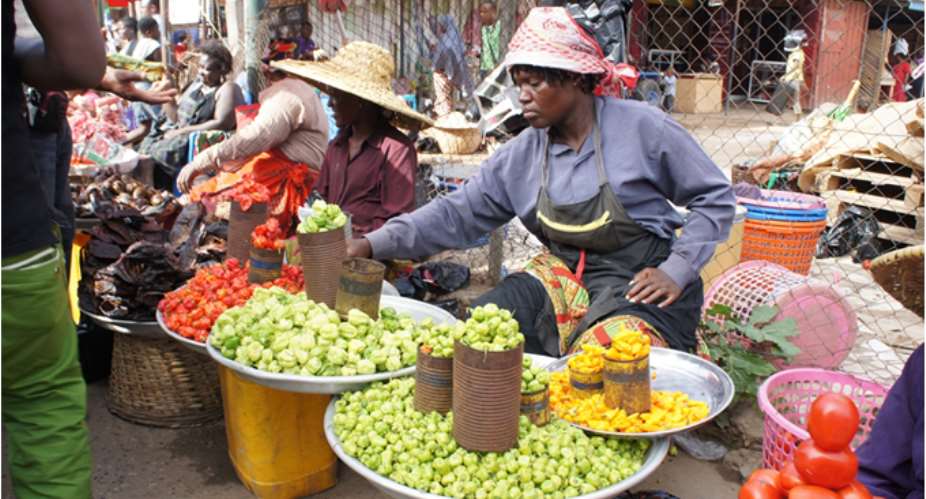
Despite these obstacles, women have continuously demonstrated resilience and ingenuity. In many regions, women have taken the lead in grassroots entrepreneurship, creating small businesses to support their families and communities.
Organisations and movements advocating for women's rights have emerged over the decades, emphasising the need for financial independence as a cornerstone of gender equality.
The push for women's financial empowerment gained significant momentum in the late 20th century, driven by international frameworks like the Beijing Platform for Action and the Sustainable Development Goals.
Today, the conversation around women's financial empowerment is more relevant than ever. Studies have shown that when women control their financial resources, it leads to positive outcomes not only for themselves but also for their families and communities.
Increased investment in women entrepreneurs can spur economic growth, reduce poverty, and enhance overall societal well-being.
John Mahama's proposal for a Women's Development Bank is a progressive step in this ongoing journey. It aims to create a dedicated financial institution that recognises the unique challenges women face and provides tailor-made solutions to overcome them.
By understanding the historical context of women's financial empowerment, we can better grasp the significance of Mahama's vision and the transformative impact it could have on countless lives.
This initiative not only seeks to address the current gaps in financial services for women but also aims to build a legacy of empowerment that honours the struggles and triumphs of women throughout history.
Anthony Obeng Afrane

 VIDEO: Ayanfuri Chief dies after testing potency of his juju at funeral
 Ashanti North Police interdict Inspector over defilement allegations
 Here are areas to face power outage over ECG planned maintenance today
 Ghana pushes for instant payment systems across Africa
 GAF to conduct Exercise Storm Shield 2026 in Bono and Upper East
 ECG resumes two key stalled projects in Kumasi
 Mahama breaks ground for Green City Housing Project at Dedesua near Kumasi
 Celebrating mothers: Honouring the Heart of the Ghanaian Society
 EOCO Boss Raymond Archer defends PDS investigation methods
 Snakes, weeds take over multi-million 1D1F starch factory at Kyekyewere in Assin...


