It is now history that the Republic of Ghana became the first sub-Saharan African nation to gain independence from colonial rule in 1957. Shortly afterwards, President Kwame Nkrumah declared that unless all Africa was free, the independence of Ghana would be meaningless. Sixty-seven years have flitted past since then, and yet Nkrumah's words keep reverberating through time, even into our days. They continue to remind us of the inevitable 'journey' Africa must undertake to achieve true self-actualization. Dr. Kwame Nkrumah's vision of United Nations of Africa, geared towards unity among African nations, their collective self-actualization and rightful placement on the global stage was appreciated and echoed by many people during the famous Negritude era of 1930s, '40s and '50s. The vision remains even more relevant today.
Ghana's independence had ignited a wave of liberation movements across the continent, which led to the eventual self rule of many African countries. It marked a significant milestone in African history. But still, the excitement of independence was tempered by the realization that political freedom alone was not going to be sufficient. Dr. Kwame Nkrumah's prophetic words stressed the necessity for United Africa, where the self-actualization of African nations would transcend ordinary political sovereignty. Africa was to rediscover itself from the ashes of its own history.
Pan-Africanism emerged afterwards. As a powerful ideological movement, it vigorously advocated for unity and solidarity among all the African countries. Leaders like Kwame Nkrumah, Julius Nyerere and Haile Selassie championed the cause. They wanted to see Africa become a continent that was free from colonial exploitation, a continent that was capable of self-determination. The establishment of the Organization of African Unity (OAU) in 1963 became a crucial step towards realizing that vision. But the challenges of political emancipation which saw politicians belonging to various parties and professing differing ideologies, economic dependence on the developed countries and external interference from foreign nations continued to mar the realization of United Nations of Africa.
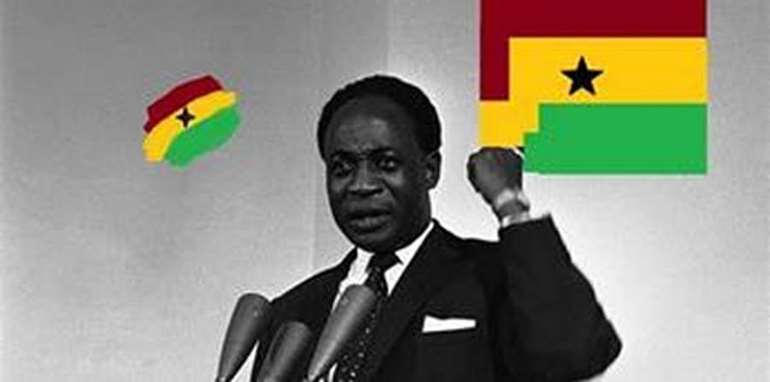
President Kwame
The Negritude Movement then moved in, spearheaded by such intellectuals as Léopold Sédar Senghor, Aimé Césaire and Léon Damas. They sought to reclaim African identity and pride. This literary and ideological movement exposed and highlighted the beauty and richness of African culture, and challenged the derogatory narratives about the African continent that was being peddled by colonial powers at the time. Negritude celebrated African heritage and inspired a Renaissance of African self-consciousness and solidarity. This cultural revival became essential for the political and economic emancipation of the continent. But, despite the influence of the Negritude movement over the years, Africa continued to face myriads of social, economic and political challenges.
Today, as we are confronted by such new threats as international terrorism and global instability, it has become imperative for African leaders to pick up their gauntlets and think again about the concept of United Nations of Africa. It has become crucial for them to reorganise their political focus in order to be able to steer the continent towards that ultimate unity and progress that Dr. Nkrumah and his compatriots dreamed of, and worked for, which would lead the African continent to true self-actualisation. It is not too late in the day. African leaders must strive at this point in time to embrace Dr. Nkrumah's vision. They have to redefine their brand of politics and move it away from the current politics of power to the prevalent politics of service delivery which would enhance unity, and usher in more meaningful development, peaceful cohabitation and prosperity on the continent. Like the rose flower, the 'journey' towards achieving United Nations of Africa would be home to many thorns and thistles. Yet, the truth flies menacingly in our face that the political landscape of Africa urgently needs such a transformative shift.
It is important that African leaders research and decisively deal with the reasons behind the continent's continued underdevelopment despite its rich history and potentialities. They must understand and deal with the reason some of Africa's political elites keep playing to the gallery for foreign governments that fund them, while at home, their kith and kin are dying of hunger and penury. Why do we have saboteurs among us when the developed nations don't? That understanding and move would be crucial in any attempt to consolidate their political roles in establishing the process for the self-actualization of African nations in the face of contemporary global threats. Their collective effort and determination, the understanding that African politicians need to institute the welfarist system in African nations remains necessary and achievable for the future development of the continent.
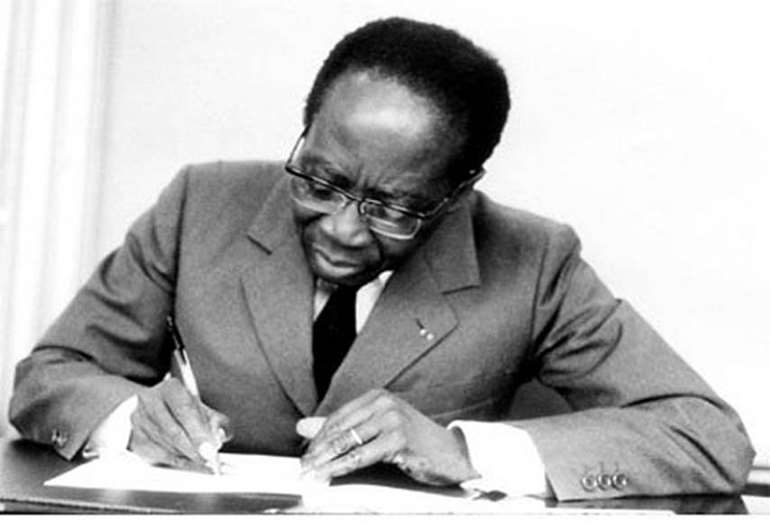
Léopold Sédar Senghor
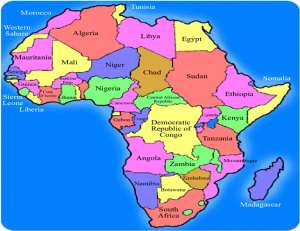
Let us not forget that Africa is endowed with massive natural potentials that need to be explored. Africa is the second largest and second most populous continent in the world, covering approximately 20.4% of earth's total land mass and it is home to about 1.4 billion people, accounting for 15% of the world's population. The continent is made up of 54 sovereign states, nine territories, and two de facto independent states. Among these nations, Algeria is the largest by land mass, while Nigeria boasts of the highest population. Under the aegis of the African Union, African leaders can now begin a move towards achieving Dr. Nkrumah's vision of United Nations of Africa. They can start now to think about the terms of relationships between the various countries that would eventually form United Nations of Africa. They should be thinking along that line before the continent is colonised the second time, with the tacit assistance of unpatriotic African saboteurs who are more than willing to sell their countrymen and women back into slavery for a pot of porridge. They are the ones to watch.
Apart from that, this is the time to take advantage of the fact that our continent's demographic profile is characterized by its youthful population. The fact that 50% of Africa's population is under the age of 19 simply means that the continent has a great potential for creativity and future growth. This demographic advantage presents our people with vast opportunities and surmountable challenges that African leaders simply cannot afford to ignore if, in our generation, they truly have the capability of giving Africa its rightful place in the comity of nations.
The challenge of harnessing the young-adult energy in Africa would require strategic investments in education and healthcare, and in job creation. Therefore, it is not just only necessary for African leaders of the day to recognize the importance of this demographic dividend, they should also create policies that would empower African youths to contribute meaningfully to continental development.
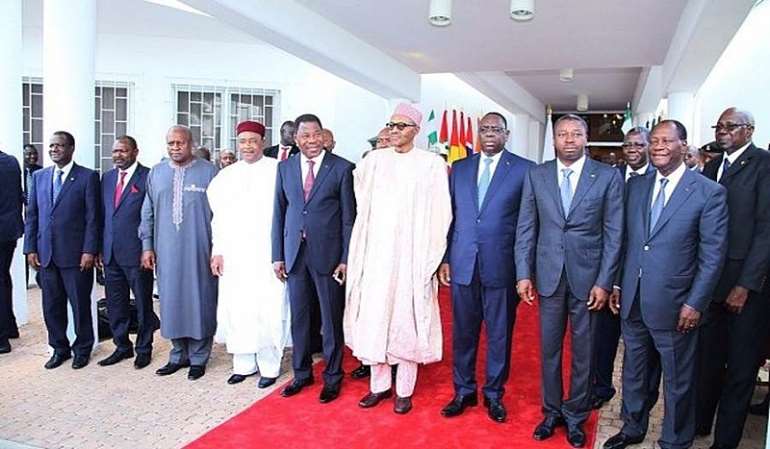
African leaders 2020
In other words, leaders of the proposed United Nations of Africa must begin now to evolve a new socio-political system that would emphasise the mentoring and encouragement of younger generations, specifically those aged 25 to 60, to assume political offices. This deliberate policy should lay the solid foundation that would be needed for the future of Africa's United Nations. It is one way we can move from the hazardous practice of long-term incumbencies.
By any stretch of the imagination, the institution of United Nations of Africa would be a monumental task but it would obviously enhance unity, economic growth and technological development among member countries across the continent. Abolishing visas between African countries and opening up free trade would be crucial measures in this regard. In so doing, there would be need to establish visa-free travel among member countries with strong political and economic ties and low-security risks. There will also be the need to expand visa-free travel to other member countries progressively, based on agreed-upon criteria such as governance standards, security assessments, and economic stability. The need would arise to create a unified immigration policy framework to ensure consistency in the movement of people across borders and to standardize entry requirements. There will be need to enhance cooperation and information sharing among national security agencies to mitigate risks associated with increased mobility. And also implement advanced biometric systems and integrated databases to monitor cross-border movement and enhance security.
A United Nations of Africa would develop and adopt a standardized African Union (AU) currency and passport to facilitate ease of travel and ensure mutual recognition of national identification systems and travel documents. The government would need to conduct awareness campaigns to inform citizens about new travel policies and procedures and educate border officials and immigration officers about the new regulations and their implementation.
The United Nations of Africa would need to build on the existing African Continental Free Trade Area (AfCFTA) to eliminate tariffs, quotas, and other trade barriers among member states and ensure comprehensive coverage of goods and services in the free trade agreement. It would invest in cross-border infrastructure, including roads, railways, ports, and telecommunications, to facilitate smooth trade as well as establish special economic zones and trade corridors to boost industrialization and trade.
It would create a customs union with a common external tariff to streamline customs procedures, reduce trade costs and develop a single market for goods, services, capital and labour in order to ensure the free movement of these across borders. Above all, it would establish robust legal and institutional frameworks to support dispute resolution and enforcement of trade agreements, and strengthen regional economic communities (RECs) to play a central role in the implementation of free trade policies.
The United Nations of Africa would establish a central governing body under the auspices of the African Union to oversee the implementation of visa and trade policies and ensure representation from all member states in decision-making processes. It would implement robust monitoring and evaluation mechanisms to track progress and address challenges, and regularly review policies and strategies to ensure they remain relevant and effective.
By adopting these strategies, the United Nations of Africa can achieve greater political and economic integration, and welcome a more prosperous and united continent. But again, leaders at all levels of governance must recognize the importance of grooming young people for political and civic responsibilities. This will naturally involve the creation of platforms for youth engagement, providing leadership training, and encouraging their active participation in governance. By investing in the next generation, African leaders would be ensuring a sustainable and progressive political landscape.
After all the bitter experiences African countries have been through, from physical and mental to economic slavery, we now know that the practice of long-term incumbencies is detrimental to the political stability and growth of African nations. Nelson Mandela's decision to serve only one term as President of South Africa was a powerful example of selfless leadership. Mandela set a commendable precedent which demonstrated that personal sacrifice can lead to national gain. African leaders must promote that culture of selfless leadership where power is no longer concentrated in the hands of a few wealthy families alone. This approach will definitely enhance political inclusivity, reduce the risk of authoritarianism, and encourage healthy democratic practices. This is the time that African leaders must eradicate the era of "sit-tight" leadership and promote a culture of committed and compassionate governance.
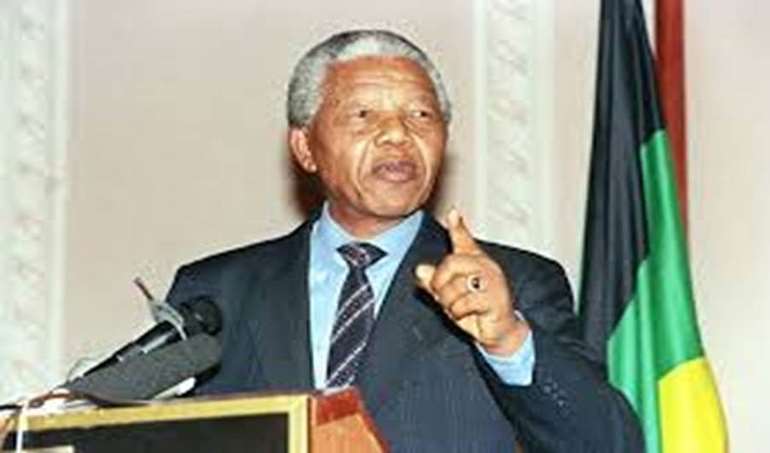
Nelson Mandela
The history of Africa's ancient civilization, with its sophisticated societies and advanced technology continues to remind us of the continent's potentials and how much of a waste we had laid them. The decline of these crafts and their exclusion from national economies must be addressed by a restored United Nations of Africa. Reviving these arts could create jobs, generate foreign exchange and help to reclaim Africa's heritage and economic stability. Modernising and bringing back to life the ancient technology of Africa would drive economic growth and improve the quality of life for African citizens. And so, in evolving United Nations of Africa, leaders should create that enabling environment for innovation and creativity that would bridge the gap between tradition and modernity. Africa's rich cultural heritage and technology must be leveraged for economic and social development. The revival of traditional crafts and the promotion of cultural industries will obviously create jobs for the continent's teeming young adults and generate revenue for government.
Africa is endowed with vast natural resources which include solid minerals, oil and gas, and arable land. But despite all of that, the continent's economic potential remains largely untapped due to such challenges as inadequate infrastructure, political instability and economic dependence on external markets. The persistence of poverty and unemployment are worsening these issues, leading to social unrest and migration. To unlock Africa's economic potential, leaders must prioritize sustainable development, diversification of economies, and regional integration.
One more point African leaders would have to resolve in establishing the United Nations of Africa is communal clashes in Africa that have deep historical and socio-economic roots. These conflicts will not be needed in the United Nations of Africa as they often arise from competition over resources, ethnic tensions, and political marginalization. A new Africa would address these issues because a comprehensive understanding of their origins and underlying causes would need to be dealt with. African leaders must engage in dialogue and conflict resolution mechanisms that promote peace and reconciliation. The role of traditional leaders and community-based organizations would be crucial in this regard, to maintain harmony and unity. Peace is a prerequisite for progress, and African leaders must consider an environment conducive to development as priority in their agenda. They must recognise that the legacy of slavery left a lasting impact on the African psyche and that it has been contributing to the continent's current struggles.
In many parts of Africa today, the yawning gap between the very rich and very poor families continues to widen rather than close. African leaders must recognise that what the wealthy industrialised countries do is to take money off the pockets of the poor working class families who are usually the consumers, and put it back into the pockets of the rich manufacturing families. And they do this in several ways. One of their antics is to make some of their products like touches, microwaves, cars, radios, TVs and so on to look very beautiful and attractive on the surface. But they do not build them to last. So, the poor man from a working class family buys them with the knowledge and delight that they are beautiful. But in a few months, the product goes bad. And he has to replace it if he can, or get along without it if he can't replace it. A United Nations of Africa must, therefore, engage in a concerted effort to manage this challenge by empowering Africans economically and mentally to be less of consumers and more of manufacturers.
The vision of the United Nations of Africa by Dr. Kwame Nkrumah remains very relevant to our social space today. It calls for a united and self-reliant Africa, where nations must work together to achieve common goals. Achieving this vision would involve a collaborative effort among African leaders, intellectuals, and civil society. It would require a commitment to regional integration, economic diversification, and political stability. A shared vision for the future of Africa would inspire collective action and drive the continent towards self-actualization. African solutions to African problems must be the guiding principle for the continent's development and assimilation of the proposed United Nations of Africa. It would demand a recognition of the unique opportunities and challenges that African nations would face in crafting resolutions to the establishment of this Union. African leaders must leverage indigenous knowledge, cultural practices, and local resources to address such pestering issues as poverty, unemployment, and conflict in the land.
The African Union (AU) must begin to play a more crucial role in promoting continental unity and development by instituting the United Nations of Africa now. The organisation must be strengthened to effectively address the global challenges facing Africa. The AU should serve as a platform for this dialogue, for cooperation, and for collective action among African nations as they work to continue from where Dr. Kwame Nkrumah and his colleagues stopped. African leaders must support the AU's initiatives and work towards a more integrated and self-reliant continent.
The journey towards United Nations of Africa is both challenging and essential. By embracing the vision of Pan-Africanism, promoting a centralised leadership, and addressing socio-economic challenges, Africa can reclaim its rightful place on the global stage. The rich history and cultural heritage of Africa serve as a foundation for this journey. With collective effort and determination, the dream of a united and prosperous Africa can become a reality in our age. This is the time to start the journey all over again.
* Asinugo is a London-based British-Nigerian veteran journalist, author and publisher

 NDC behaving as if they will stay in government forever — NPP’s Alfred Thompson
 Residents protest at NEDCo office in Kpandai over power disconnections
 Toxic fumes from generator during dumsor kills three individuals at Manhean
 Police arrest 11 suspects over AI deepfake videos impersonating president Mahama
 Election 2028: Bawumia appoints all four NPP presidential aspirants as co-chairm...
 Ghanaians in US romance scam case: Jamal caged, Kamal set free
 How father allegedly dragged his son with quad bike on tarred road at North Lego...
 May 8: Cedi sells at GHS12.10 on forex market, drops to GHS11.28 on BoG interban...
 Health Committee Chair tells health professionals to resign if they are tired of...
 GTEC orders Bolgatanga Technical University Vice Chancellor to resume duties