




According to the report of IWSR Forecast 2016-2021 Global Review, by 2021, the global alcohol market is forecast to grow by over 1 billion cases, bringing annual consumption to 29.3 billion cases. With so giant market prospect, the alcohol industry will maintain strong growth so as to satisfy the huge market demand. In the meantime, the development of alcohol industry would lead to produce plenty of byproducts, like vinasse - residue after distilling. According to the statistics, there are 10-18 liters of vinasse generated per liter of alcohol produced, depending on the processing technique used and the wine composition. For example, the president of a alcohol company who has the capacity to produce 2,000 tons white wine for now said that their wine production capacity would increase to 6,000 tons after years growth, and in accordance with this growth rate, there would be 1,000 tons vinasse produced per day. Therefore, as the main one of residues generated in the process of alcohol production industry, if without proper disposal, the large quantities of vinasse can bring severe pollution and destruction to environment.
Vinasse contains abundant organic matter, and its nutrient elements exist in various forms like protein, amino acid, fat and waxiness, which cannot be utilized by plants. Based on the counting after air drying, the nutrent contents of vinasse include 65.4% coarse organic matter, 2.87% nitrogen, 0.33% phosphorus, 0.35% potassium and 12.8% carbon. In a word, vinasse is combination of nutrients, organic matter and water and has effects on the chemical, physical and biological soil attributes. Nowadays, the high cost of chemical fertilizers and the threathen to environmental have become important impetus to study the recycling of the large quantities of organic residues produced as byproducts of alcohol agroindustries. Fortunately, it is recognized that large quantities of vinasse are low cost materials that can be processed into organic fertilizer and used as soil improver through composting, fermentation and a series of granulating process.
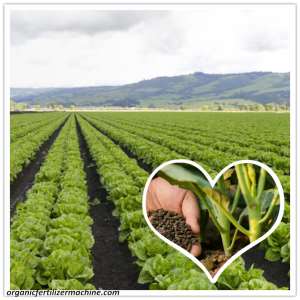
Just as its name implies, vinasse organic fertilizer are produced with solid vinasse as main raw materials through the process of aerobic fermentation and composting, crushing and mixing, granulating, packaging and so forth.
https://organicfertilizermachine.com/eco-solutions/how-to-make-vinasse-organic-fertilizer.html

 I have not been invited by OSP over fake GH¢70,000 memo — Patricia Appiagyei
 Vetting committee has never taken bribes or gifts from nominees — Bernard Ahiafo...
 Chief Justice Baffoe-Bonnie clarifies controversial remarks
 Dunkwa-Ayanfuri road construction to commence in 2027 – Finance Minister
 PRESEC, St. Augustine’s College and Accra Academy set for NSMQ grand finale on S...
 Appiagyei denies alleged GH¢70,000 vetting payment in memo
 Lawyer challenges GRA’s power to grant passenger baggage tax exemptions
 Agbogbloshie waste heap is as high as 10-storey building – Mahama Ayariga
 'How did we get here, to be told to go to Rwanda to learn cleanliness?' – Mahama...
 'After getting the gold, you will get thirsty' – Kwaku Bonsam explains why galam...

