




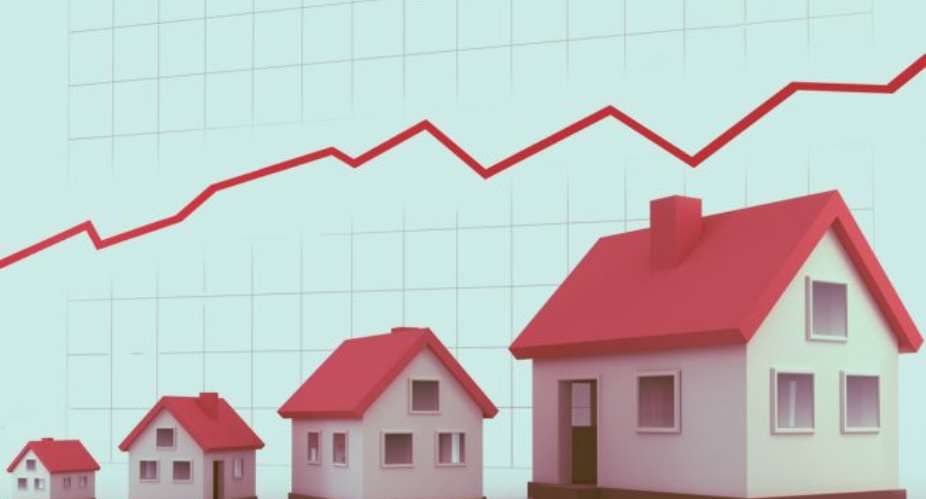
Ghana's real estate sector is poised for growth and presents a plethora of opportunities in 2023. Despite the challenges faced in the previous year, the market is expected to rebound and flourish in the coming years. Let's delve into the key insights and trends shaping the real estate landscape in Ghana.
Market Growth and Projections
The real estate market in Ghana is projected to experience significant growth in the years to come. According to current estimates, the market is expected to grow by 5.53% between 2023 and 2028. This growth trajectory is anticipated to result in a market volume of US$567.60 billion in 2028. These figures indicate a promising future for the sector.
Housing Deficit and Investment Opportunities
Ghana faces a persistent housing deficit, which has been exacerbated by its growing population. The demand for affordable and quality housing continues to rise, creating ample opportunities for investment in the country's real estate sector. Developers and investors can capitalize on this housing deficit by constructing residential properties that cater to the needs of the population.
Slow Growth in 2022
In 2022, the construction and real estate industry in Ghana experienced a period of slow growth. Both sectors faced numerous challenges, resulting in subdued performance. However, it is important to note that the market is expected to undergo delayed reactions or lag adjustments to the forces that affected it in the previous year. This provides an opportunity for the sector to bounce back and regain momentum in 2023.
Government Initiatives and Support
The Ghanaian government has recognized the importance of the real estate sector in driving economic growth and development. As a result, it has implemented various initiatives and policies to support the industry. These include the establishment of a mortgage and housing finance scheme, tax incentives for developers and investors, and the creation of a favorable business environment. Such support from the government further enhances the investment potential of Ghana's real estate sector.
Growth Opportunities for Investors
Investors looking to tap into the Ghanaian real estate market can explore a range of opportunities. Residential development, particularly affordable housing, remains a high-demand segment. Commercial real estate, including office buildings, retail spaces, and industrial parks, also presents lucrative prospects. Additionally, there is a growing interest in the development of mixed-use properties that combine residential, commercial, and recreational elements.
Conclusion
The real estate sector in Ghana is poised for growth and offers a wealth of opportunities in 2023. With a housing deficit, government support, and a projected market expansion, investors and developers have a favorable landscape to explore. By addressing the housing needs of the population and capitalizing on the government's initiatives, the real estate sector in Ghana can contribute significantly to economic growth and provide valuable solutions for the country's growing urban population.
Joycelyn Kyei -Baffuor is a Real Estate Content Writer, Journalist, and Editor.
 ‘Containment is not prevention’ – National Security boss outlines 18-month maste...
 Wontumi withdraws from NPP Chairman contest
 ‘Who can pay us?’ – KSM denies being on NDC government payroll
 Vigilante groups adopting covert networks, mobilizing through encrypted chats – ...
 ‘We are solidly behind you’ — Christian Council rallies support for Ghana Medica...
 CHRAJ, NCCE and NSS equip university leaders with tools to fight corruption and ...
 Mahama to cut sod for multi-tiered car park, hotels complex at Accra Internation...
 24-hour economy is bigger than ‘three people, one job’ – Rashid Pelpuo
 Ghana much safer this year than even 2025 - Interior Minister
 Ghana’s economic recovery impressive — IMF


Comments
I hope my comment will not be rejected as it is rooted in truth. In the article, there is mention of a housing shortage. There is no housing shortage in Ghana. Most of the developments built are not for the average Ghanaian and therefore unaffordable. I know people abroad who visit Ghana regularly and say, if you move to Ghana you will need foreign currency because the cost of living is artificially high. In your article, there is no mention of active or physical programs established by the GOG...