





China, Africa's top lender, has been chastised for imposing disastrous deals on poor countries. At the same time, according to a new study by Columbia and Oxford Universities, most of Africa's external debt doesn't fall on the People's Republic of China, but on private Western creditors. The investigation was undertaken against the backdrop of international charges leveled against Beijing for supposedly trapping Africa in debt.
Beijing has given $150 billion to African countries since 2000. According to the World Bank, the continent's total external debt is $427 billion. China has been criticized for pushing terrible offers on developing countries. Nigeria's debt to China, for example, has increased by 136% in five years as a result of this. The researchers point out that the notion of a debt trap is merely a tactic in the contest for global dominance between the United States and China.
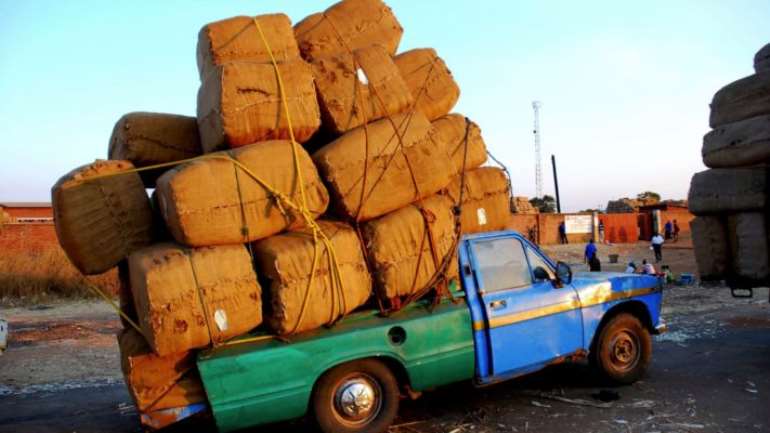
Africa's enormous debt has been the continent's most significant impediment to better education, health care, and employment. Photo credit: africanexponent.com
It is not China's debt traps that keep African leaders awake at night, according to the studies, they are the whims of the bond market. The trap is that lenders lend to poor countries, and if they fail to meet their debts on time, the lender seizes possession of their important assets. The debt burden of African countries is primarily to blame for those who purchase their debt in the form of bonds. These lenders have offices in cities such as London, Frankfurt, and New York.
According to the authors, this section has risen quicker in recent years than any other promise made by African States. African countries' national debt to China, including Angola, Ethiopia, Kenya, Nigeria, Ghana, and Zambia, totaled $78 billion at the end of 2019, accounting for around 8% of the region's overall debt and 18% of the continent's total external debt. The World Bank found confirmed similar findings in the study.
According to experts from Boston University and Johns Hopkins University, Beijing has made a total loan of over $150 billion to African countries since 2000. This is a significant amount, but not enough to be the primary cause of impoverished countries' mounting debt. According to the World Bank, Africa's total external debt is approximately $427 billion; however, widespread corruption has also played a significant role in impoverishing the continent.
According to analysts, in most cases, the loans are at high-interest rates from state-owned banks in China and most of the funds are allocated within the framework of the Chinese "One Belt, One Road" initiative. Its goal is to create a trade and infrastructure network connecting Asia, Africa, and Europe in 2020 G7 countries. They, therefore, demand that China eases the debt burden of poor countries.
Kenyan officials are concerned that if they fail to meet their financial obligations to China, they would lose control of the strategic port of Mombasa. However, as Johns Hopkins University experts indicated in April 2022, the port is not a pledge under the deal. According to Reuters, Angola had insufficient crude oil for export in 2015 because almost all of it was utilized to repay a Chinese loan.
Nigeria's debt to China climbed 136% between 2010 and 2015, while international organizations are concerned about a wave of defaults in African countries due to difficulty in meeting obligations, particularly in light of the world's tough economic condition. However, the researchers think that obstinate private lenders, not China, will play a crucial role in this and based on some analysis, default is imminent in Egypt, Ethiopia, and Ghana, among other countries.
It is believed that the notion of a debt trap is merely a tactic in the political conflict between the US and China, however; some African leaders deny that China has dragged their countries into debt. They feel that, unlike the West, Beijing has helped construct the required infrastructure on the continent. In May 2022, Zimbabwe's President Emmerson Mnangagwa stated that Chinese businesses have invested in the country's energy, air transport, water supply, real estate, industry, and defense.

 Site for Adaklu District 24-hour economy market handed over to contractor
 Govt to complete over 1,000MW power expansion in Kumasi — John Jinapor
 Amin Adam made co-chair of Buwumia's Finance and Economy Committee
 NPP appoints Akosua Manu as spokesperson for gender and social protection commit...
 GHS activates national surveillance following hantavirus outbreak on Cape Verde ...
 South Africa denies xenophobia claims as Ghana pushes AU action
 Kennedy Agyapong rejects co-chair appointment by Bawumia
 Police arrest six suspects over alleged child trafficking syndicate in Kasoa
 Former Deputy AG urges GJA to resist return to ‘Culture of Silence’
 Four killed in Savannah Region road crash involving tipper truck


