




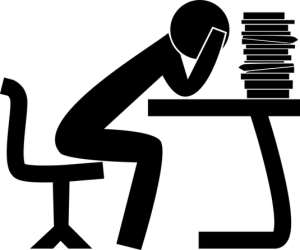
INSOMNIA
Adequate sleep, makes one, feel fresh and energized on waking up. It may take most adults, 6-8 hours of uninterrupted sleep to achieve this fresh and well energized state.
Insomnia refers to the inability to fall asleep and or the inability to maintain adequate sleep.
PREVALANCE:
The occurrence of insomnia is higher:
. In women
. In older adults. (A third of those older than 60 years have problems with insomnia.)
. In persons with depression
. In persons under stress
. In persons taking certain Blood Pressure, Allergy and Antidepressant medications.
. In persons engaged in traveling long distances.
. In persons having an irregular sleep schedule
. In persons who use mobile devices while in bed and just before going to sleep
Most people experience insomnia occasionally, whereas in others, insomnia has been ongoing for several weeks and more.
SYMPTOMS OF INSOMNIA:
Persons with ongoing insomnia have the following symptoms:
. Daytime sleepiness
. Forgetfulness
. Fatigue
. Irritability
. Decreased concentration.
COMPLICATIONS OF INSOMNIA:
. Motorists are at risk for motor vehicle accidents. Lack of adequate sleep is a major contributor to the carnage on our roads. Sleepy drivers do have slowed reaction times.
. Lateness and absence from work.
. Presenteeism and lower job and school performance.
. Mood, anxiety and substance use disorders.
. Development of conditions like heart diseases and Impaired quality of life.
PREVENTION OF INSOMNIA
. Avoid napping
. Stay active during the day; it helps with adequate night sleep.
. Ensure adequate light exposure. Exposure to bright light in the early mornings, promotes early sleep.
. Avoid the following activities close to bedtime:
1. vigorous exercise, (exercise at least, 6 hours before bedtime)
2. large meals, including fufu
3. Arguments and emotionally upsetting conversations
4. Drinks and substances that disrupt sleep: Alcohol/beer, caffeine, nicotine.
. The Bed and the Bedroom, ideally, must be associated with sleep only.
. Avoid the use of cellphones (including texting) radios, TV, computer in the bed, before going to sleep
. Relax for about 30 minutes, by listening to soft music or reading short bedtime stories, before sleep.
. Keep the bedroom, serene and dark.
. Maintain a stable bedtime and rising time, it helps a lot.
. Spend no more than 20 minutes awake in bed. If it is bedtime and you cannot fall asleep within 15-20 minutes, get up.
. Spend no more than 8 hours in bed
MEDICATIONS:
Medications for sleep, are recommended for short-term use, only. They may have numerous side effects and they affect cognition. They do not cure insomnia, they offer symptomatic relief.
For those with difficulty initiating sleep, the non-benzodiazepines: Zolpidem and Zaleplon could be used
For those unable to maintain sleep, The Benzodiazepines with slower elimination: Temazepam, and Estazolam may be used, on as needed basis.
Melatonin is great as a short-term use for travel related insomnia
Trazodone, a sedating anti-depressant, has been used successfully, in persons with depression and insomnia

 AG withdraws charges against former buffer stock CEO Hanan and wife as EOCO re-a...
 Images and videos of military clearing lands for Accra–Kumasi expressway project
 What should give you satisfaction is that your work has helped saved Ghana from ...
 ECG announces emergency maintenance in Ashanti, Western Regions today
 Police arrest two cocoa purchasing clerks for allegedly short-changing farmers i...
 Korle-Bu doctors strike suspended, OPD services resume Tuesday
 May 5: Cedi sells at GHS12.15 on forex market, drops to GHS11.23 on BoG interban...
 NAiMOS cracks down on multinational galamsey syndicate in Mankraso
 Amin Adam runs to IMF to take action on BoG recapitalisation, gold sales and mon...
 PNDC era second gravest crime against humanity after slavery — Miracles Aboagye





Comments
Also, I would like to incorporate a missing ingredient to a healthy and lucrative lifestyle: "aBsTrAcT DEVELOPMENT"
Author's Reply
Yep, Got it