




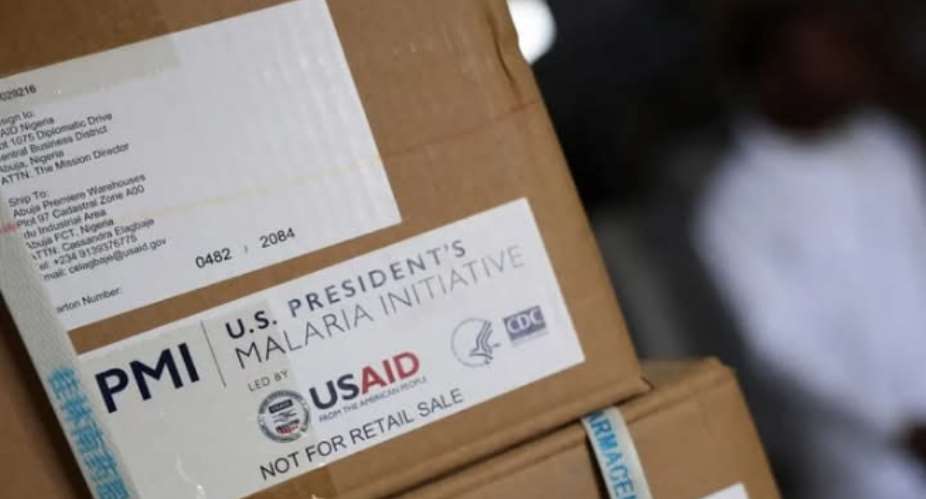
For decades, American foreign aid has been a lifeline for health systems across Africa. From HIV clinics in Uganda to maternal health programmes in Nigeria, US funding channeled primarily through PEPFAR, USAID, and the President's Malaria Initiative has quietly kept millions of Africans alive. But as aid cuts and policy shifts in Washington reshape America's global commitments, a painful question hangs over the continent: what happens next?
The Scale of Dependency
The numbers tell a sobering story. The US has historically been the single largest donor to global health in Africa, contributing billions of dollars annually. PEPFAR alone has supported antiretroviral treatment for over 20 million people living with HIV across sub-Saharan Africa. The President's Malaria Initiative has distributed hundreds of millions of insecticide-treated bed nets and funded treatment programmes across more than 30 countries.
Without this funding, health facilities face immediate consequences drug stockouts, staff layoffs, and clinic closures.
What Is Already Happening
The early signs are already visible. Reports from multiple African countries describe:
HIV treatment disruptions, with patients unable to access antiretroviral drugs as PEPFAR-funded supply chains stall
Closure of community health outreach programmes that served remote and rural populations
Collapse of disease surveillance systems that relied on US-funded technical staff
Reduced capacity in tuberculosis and malaria control programmes
For ordinary Africans particularly the poorest these are not abstract policy failures. They are life-and-death realities.
Will Africans Die or Simply Suffer?
The honest answer is: both, unless urgent action is taken. The World Health Organization and public health experts warn that interruptions in HIV treatment can lead to drug resistance, viral rebound, and death. Malaria, which kills a child every two minutes in Africa, could surge where bed net distribution and treatment programmes are defunded. Maternal and child mortality, which had been declining, risks reversing course.
Suffering will be widespread. Death, for the most vulnerable, is a real risk.
What Must Happen Now
This crisis, as painful as it is, also presents an opportunity for honest reckoning. Africa cannot afford to remain permanently dependent on external goodwill for the health of its people. Several responses are necessary:
- African governments must increase domestic health financing. The Abuja Declaration of 2001 committed African governments to allocating at least 15% of national budgets to health. Most have never met this target. That must change.
- The African Union must coordinate a continental emergency response. A unified African health financing framework, including pooled procurement and shared disease surveillance, would reduce individual country vulnerability.
- Alternative partners must be engaged. The European Union, UK, China, Gulf States, and private philanthropies can fill some gaps but only if Africa negotiates from a position of strategic clarity rather than desperation.
- Civil society must hold governments accountable. African citizens must demand that their leaders treat public health as a sovereign priority, not an afterthought funded by foreign donors.
A Continent at a Crossroads
The withdrawal or reduction of US aid is not a reason for despair it is a wake-up call. Africa is a continent of enormous wealth, talent, and potential. It should not require American charity to keep its children alive and its sick people treated.
Workers' Day reminds us of the dignity of labour. This moment must remind Africa of the dignity of self-determination including the sovereign responsibility to care for its own people.
The path forward is hard. But dependence was never sustainable. The question is whether Africa's leaders will rise to meet this moment, or allow their people to pay the price of their inaction.
The health of Africa's people is too important to be left to the foreign policy priorities of any single nation.
Mustapha Bature Sallama.
Medical/ Science Communicator,
Private Investigator, Criminal investigation and Intelligence Analysis.
International Conflict Management and Peace Building.USIP
[email protected]
+233-555-275-880

 Accra Is Sinking Yet Again — Time to Be Truthful With Ourselves
 Fire guts rubber factory at Circle Odawna as flooding hampers firefighting effor...
 Flooding strands commuters on Winneba Cape Coast Highway
 Three feared dead after electrocution in Alajo flooding incident
 Nine missing after floods hit Awutu Senya East
 'Your mother, I should go to heaven and ask Nebuchadnezzar to stop the rain?' — ...
 Flood victim found dead along Alajo Railway track as rescue operations continue
 GMet warns more rain as flooding disrupts movement across Greater Accra
 'You sit on social media and talk nkwasiasem' — Nigel Gaisie blasts critics over...
 Osahen Afenyo-Markin accuses NDC of using GoldBod to promote illegal mining
