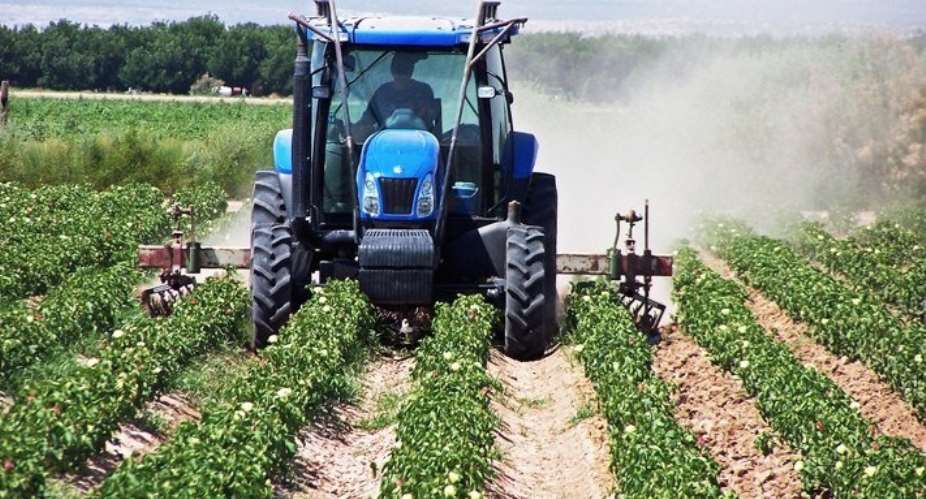
In John Mahama's vision for a revitalised Ghana, modernising agriculture stands as a cornerstone of economic transformation.
To elevate the agricultural sector, several key strategies have been identified that promise to enhance productivity, sustainability, and farmer livelihoods.
Firstly, the introduction of advanced technologies is essential. Embracing precision farming techniques such as satellite imagery, drones, and soil sensors can significantly improve crop yields by providing farmers with critical data on weather patterns, soil health, and pest management.
These technologies empower farmers to make informed decisions, optimise resource use, and ultimately increase their output.
Secondly, investing in irrigation systems is crucial. With Ghana's agriculture heavily reliant on seasonal rains, the implementation of modern irrigation methods, including drip and sprinkler systems, can mitigate the risks associated with climate variability.
By ensuring a consistent water supply, farmers can cultivate crops year-round, leading to improved food security and economic stability.
Another pivotal strategy involves enhancing access to markets. Developing robust supply chains and logistics networks will enable farmers to reach consumers more efficiently, reducing post-harvest losses and ensuring better prices for their produce.
Establishing farmer cooperatives can also empower smallholders by providing them with collective bargaining power, access to financial services, and shared resources.
Additionally, education and training programmes play a vital role in this transformation. By equipping farmers with knowledge about best practices, sustainable farming techniques, and the latest agricultural innovations, the government can foster a more productive and resilient agricultural workforce.
Collaborations with universities and agricultural research institutes can further bridge the gap between theory and practice.
Lastly, policy reforms that prioritise agriculture in the national agenda are essential. This includes increasing budget allocations for agriculture, providing incentives for investment in the sector, and implementing land reforms that secure land tenure for farmers.
A conducive policy environment will not only attract local and foreign investments but also encourage innovation and growth within the agricultural landscape.
Through these modernisation strategies, John Mahama envisions an agricultural sector that not only drives economic growth but also uplifts rural communities, ensuring that every Ghanaian can thrive in a revitalised economy.
Anthony Obeng Afrane

 AG withdraws charges against former buffer stock CEO Hanan and wife as EOCO re-a...
 Images and videos of military clearing lands for Accra–Kumasi expressway project
 What should give you satisfaction is that your work has helped saved Ghana from ...
 ECG announces emergency maintenance in Ashanti, Western Regions today
 Police arrest two cocoa purchasing clerks for allegedly short-changing farmers i...
 Korle-Bu doctors strike suspended, OPD services resume Tuesday
 May 5: Cedi sells at GHS12.15 on forex market, drops to GHS11.23 on BoG interban...
 NAiMOS cracks down on multinational galamsey syndicate in Mankraso
 Amin Adam runs to IMF to take action on BoG recapitalisation, gold sales and mon...
 PNDC era second gravest crime against humanity after slavery — Miracles Aboagye