




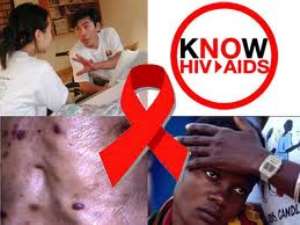
In addition to antiretroviral therapy to combat HIV infection, effective drug treatments are available to fight many of the medical complications that result from HIV infection. Doctors try to prevent infections before they begin to avoid taxing a patient's weakened immune system unnecessarily.
A doctor or health practitioner instructs an HIV-infected person on ways to avoid exposure to infectious agents that produce opportunistic infections common in people with a weakened immune system.
Doctors usually prescribe more than one drug to forestall infections. For example, for those who have a history of pneumocystic pneumonia and a CD4 cell count of less than 200 cells per microliter, doctors or health practitioners may prescribe the antibiotics sulfamethoxazole and trimethoprim collectively called co-trimoxazole or septrin to prevent further bouts of pneumonia.
On the other hand, patients suffering from recurring thrush may be given the antifungal drug fluconazole for prolonged periods. For people with CD4 cell counts of less than 100 cells per microliter, doctors may prescribe clarithromycin or azithromycin to prevent Mycobacterium avium infections. Some investigators believe that another approach currently under development is more likely to offer some protection against HIV. This approach uses a combination of vaccines or drug therapies, one to elicit antibodies and another to activate killer T cells.
If CD4 cell levels drop below 200 cells per microliter of blood, the late symptomatic phase of HIV develops. This phase is characterized by the appearance of any of the opportunistic infections and rare cancers known as AIDS-defining conditions. The onset of these illnesses is a sign that an HIV-infected person has developed full-blown AIDS. Without medical treatment, this stage may last from several months to years. The cumulative effects of these illnesses usually cause death.
Often the first opportunistic infection to develop is pneumocystis pneumonia which is a lung infection caused by the fungus Pneumocystis carinii. This fungus infects most people in childhood, settling harmlessly in the lungs where it is prevented from causing disease by the immune system. But once the immune system becomes weakened, the fungus can block the lungs from delivering sufficient oxygen to the blood. The lack of oxygen leads to severe shortness of breath accompanied by fever and a dry cough.
In addition to pneumocystis pneumonia, people with AIDS often develop other fungal infections. Up to 23 percent of people with AIDS become infected with fungi from the genus Cryptococcus, which cause meningitis or in other words inflammation of the membranes that surround the brain. Infection by the fungus Histoplasma capsulatum affects up to 10 percent of people with AIDS, causing general weight loss, fever, and respiratory complications.
Tuberculosis, a severe lung infection caused by the bacterium Mycobacterium tuberculosis, typically becomes more severe in AIDS patients than in those with a healthy immune system. Between the 1950s and the late 1980s, tuberculosis was practically eradicated in North America. In the early 1990s, doctors became alarmed when incidence of the disease dramatically escalated. This resurgence was attributed to the increased susceptibility to tuberculosis of people infected with HIV. Infection by the bacterium Mycobacterium avium can cause fever, anemia, and diarrhea. Bacterial infections of the gastrointestinal tract contribute to wasting syndrome.
Opportunistic infections caused by viruses, especially members of the herpesvirus family, are common in people with AIDS. One of the herpesviruses, cytomegalovirus (CMV), infects the retina of the eye and can result in blindness. Another herpesvirus, Epstein-Barr virus (EBV), may cause certain types of blood cancers. Infections with herpes simplex virus (HSV) types 1 or 2 may result in sores around the mouth, genital area, or anus.
Many people with AIDS develop cancers. The destruction of CD4 cells impairs the immune functions that halt the development of cancer. Kaposi's sarcoma is a cancer of blood vessels caused by a herpesvirus. This cancer produces purple lesions on the skin, which can spread to internal organs and cause death. B cell lymphoma affects certain cells of the lymphatic system that fight infection and perform other vital functions. Cervical cancer is more common in HIV-infected women than in women free from infection.
A variety of neurological disorders are common in the later stage of AIDS. Collectively called HIV-associated dementia, they develop when HIV or another microbial organism infects the brain. The infection produces degeneration of intellectual processes such as memory and, sometimes, problems with movement and coordination.
Nevertheless, Trimethoprim in treating opportunistic infections is ordinarily an antibacterial drug used to treat infections, especially of the urinary tract and eyes. It is also available in combination with sulfamethoxazole to treat ear infections, pneumonia, bronchitis, and traveler's diarrhea. Trimethoprim works by interfering with protein formation in the invading bacteria, thereby limiting their ability to grow and multiply.
In its combination, Trimethoprim with sulfamethoxazole (septrin) helps in the reconstitution of immunity and general health. The several forms or congeners of sulfonamides differ from one another in solubility, half-life, ability to bind to plasma proteins, and potency for inhibiting certain bacteria. All these drugs affect bacterial growth by interfering with the synthesis of folic acid. Humans are usually not adversely affected by these drugs, because they do not synthesize folic acid but rather obtain it from their diet.
Trimethoprim, one of these antibiotics, also affects the pathway of folic acid synthesis, but at a point different from that inhibited by the sulfonamides. When trimethoprim and sulfamethoxazole are given together, the sequential blockage of the pathway produced by the two drugs achieves markedly greater inhibition of folic acid synthesis. As a result, this combination is valuable in treating urinary tract infections and some systemic infections. The sulfonamides are relatively safe, but hypersensitivity reactions like rashes, eosinophilia, and fever can occur. We will appreciate your feedback to this article but under no circumstance will this piece of information act as a prescription but your family doctor may assist you without economic reservation of facts as to why septrin should be taken for some time to improve general immune response. Most of other opportunistic infection can be avoided by yoga, nutrition, exercise, rest, hydrotherapy and many other immune reconstituting therapies.
JONES. H. MUNANG'ANDU (author)
Motivational speaker, health commentator &
Health practitioner
Mobile; 0966565670/0979362525

 Korle Bu Teaching Hospital to introduce IVF and Corporate Clinic before end of 2...
 Accra West: Sarpeiman, Medie and other areas to experience power outages on Sund...
 Accra West: Faulty transformer causes outage Pokuase Amanfrom and surrounding ar...
 Restoration of Akosombo turbines not automatic solution to current dumsor — Mira...
 We have enough capacity to meet electricity demand — Energy Minister
 May 2: Cedi maintains value, sells at GHS12.15 on forex market, GHS11.20 on BoG ...
 2024 outages not due to transformer overloads — Energy Minister defends past com...
 US to withdraw about 5,000 troops from Germany
 Rebels take key military base in Mali's north
 Middle East war's impact on shipping hitting refugee aid: UNCHR



Comments
well thank you very much for such an in-depth explanation of the use of seprtin highly appreciated.