




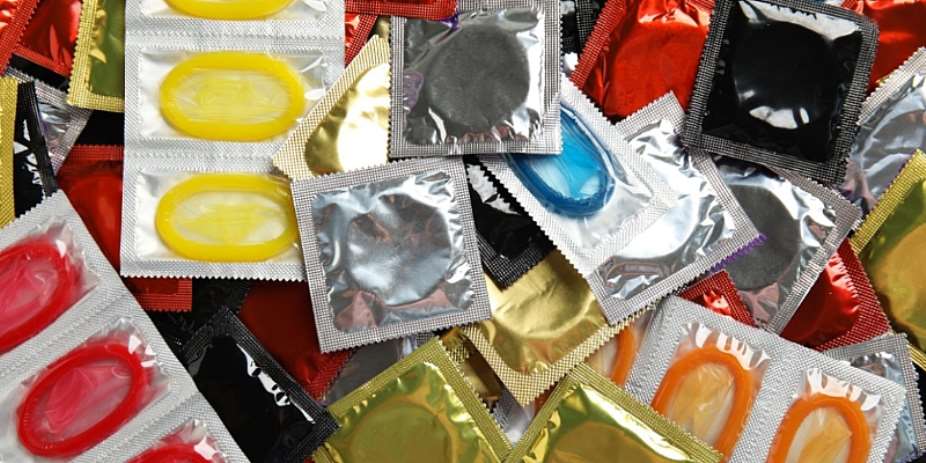
Boys aged between 15 and 19 in Saboro in the Upper East Region were reportedly denied condoms by service providers because they were considered too young to be sexually active, highlighting persistent barriers adolescents face in accessing sexual and reproductive health services.
The experience is contained in the endline evaluation of the five-year Sexual Health and Reproductive Education (SHARE) Project, which found that although the intervention significantly improved adolescents’ knowledge and confidence regarding sexual and reproductive health and rights (SRHR), the gains did not translate into a statistically significant increase in their use of health services.
The Saboro case provides a stark example of the disconnect between equipping young people with accurate SRHR information and ensuring that appropriate services are available to them when they seek to act on that knowledge.
According to the evaluation, adolescents in intervention areas recorded statistically significant improvements in SRHR knowledge and reported greater confidence in their ability to seek information and services.
However, reported use of sexual and reproductive health services declined at endline. Although intervention areas continued to record higher service utilisation than comparison areas, the difference was not statistically significant.
The evaluation identified several factors discouraging adolescents from seeking care, including concerns about privacy and confidentiality, embarrassment, financial difficulties, long waiting times and limited availability of adolescent-friendly services.
Some young people also reported encountering attitudes and restrictions from service providers that made it difficult for them to access services.
Misinformation about contraception emerged as another significant challenge. Some adolescents and caregivers reportedly believed that using family planning methods before having a first child could cause permanent infertility.
The findings suggest that improving adolescents’ knowledge alone may not be sufficient to change their health-seeking behaviour where social, cultural and institutional barriers remain.
The SHARE Project was implemented by a consortium led by Right To Play, in partnership with FAWE Ghana, WaterAid Ghana and FHI 360, with funding from Global Affairs Canada.
In Ghana, the project was implemented between 2021 and 2026 in the Bongo District, Builsa North Municipality, Kassena-Nankana Municipality and Kassena-Nankana West District.
It targeted young people aged 10 to 24 and worked through schools, communities, health facilities and government structures to improve access to accurate SRHR information and responsive services.
The endline evaluation, conducted between March and May 2026, collected evidence from 1,240 adolescents and young people, 351 teachers, 356 caregivers and other stakeholders, as well as health facilities.
Speaking during a regional dissemination of the findings, SHARE Project Officer at Right To Play, Evans Gariba, said the evaluation offered important lessons for future interventions targeting adolescent sexual and reproductive health.
The school environment emerged as one of the strongest areas of progress under the project.
The evaluation found that 95 per cent of teachers surveyed had received training from SHARE or its partners, while 91 per cent were aware of national reproductive health education guidelines.
Another 84 per cent said they were much more comfortable teaching reproductive health education.
Despite these gains, teachers identified practical challenges that could undermine the delivery of reproductive health education. About 87 per cent reported inadequate teaching and learning materials, while 58 per cent said they did not have sufficient time to teach the subject.
The evaluation also recorded increased participation by girls in SRHR advocacy activities in intervention areas, including peer mobilisation, community mobilisation, school governance and action research.
There was also a statistically significant improvement in autonomous SRHR decision-making among women aged 15 to 24 who were married, cohabiting or in relationships and sexually experienced.
Qualitative evidence further pointed to increased confidence, voice and boundary-setting among some young women.
However, most girls still did not participate in advocacy or social action activities, suggesting that opportunities created for adolescent participation had not yet reached the majority.
Family support for adolescents seeking SRH information and services also improved under the project.
The evaluation noted that adolescents sometimes returned home with SRHR information that conflicted with cultural, religious or parental expectations, underscoring the need for sustained engagement with parents and caregivers.
The project also sought to improve the quality and adolescent-friendliness of health facilities.
Facilities that received infrastructure support generally recorded stronger readiness indicators than those that did not. However, gaps remained in areas including waste management, standard operating procedures, supervision and the maintenance of adolescent-friendly services.
The evaluation identified privacy, confidentiality, respectful treatment and age-appropriate services as critical factors influencing whether young people seek and return for care.
As the five-year project comes to an end, attention has shifted towards sustaining the gains made.
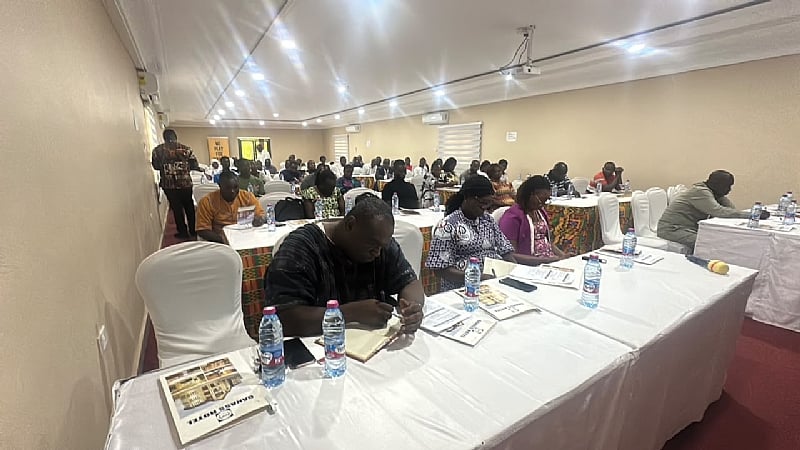
The Ghana Education Service in the Upper East Region says it intends to use technology to maintain engagement with teachers and monitor the continuation of SHARE-supported activities in schools.
Deputy Regional Director of Education, John Ankoh, said teacher mentors would be engaged through regular online meetings.
“Once in a month, our mentors in the various schools in the various locations will be met on Zoom to find out what they have been doing thereafter,” he said.
He said district education officials, including girl-child and training officers, would also engage the mentors to assess progress.
“So, it is not ending here,” Mr Ankoh said.
He said the project had significantly improved adolescents’ understanding of sexual and reproductive health and rights.
“The data shared with us points to a success story in helping adolescents and members of the community to know their sexual reproductive rights and education issues,” he said.
According to him, improved knowledge could contribute to preventing sexually transmitted infections and teenage pregnancies.
Despite the progress, the evaluation warned that the gains made under SHARE could weaken without continued institutional support.
It identified funding gaps, staff transfers, inadequate refresher training, supervision challenges and infrastructure maintenance as some of the key risks to sustainability.
The evaluators recommended that effective SHARE interventions be integrated into routine education and health plans and budgets.
They also called for continued engagement with adolescents, refresher training for teachers and health workers, stronger community accountability mechanisms and clearer SRHR education content across schools, health facilities and communities.


 Kessben Group CEO Stephen Kessben dies at 68
 AMA bans Aboboyaa from using inner lanes in Accras
 AMA refunds driver’s money, sanctions City Guard over alleged extortion
 How boys aged 15 to 19 are denied condoms and described as being ‘too young to b...
 Stay away from drugs and protect your future — NACOC boss tells youth
 “You can’t claim the gains and deny the losses” – Former Suame MCE to Sammy Gyam...
 Akosombo-Volta line fault cause of power disruption in parts of the country — GR...
 Nationwide blackout: We're working to restore full power supply — GRIDCo assures
 Accountability cannot be answered with insults
 Cocoa farmers will reject NDC in 2028 if their concerns are not addressed – Mart...

