




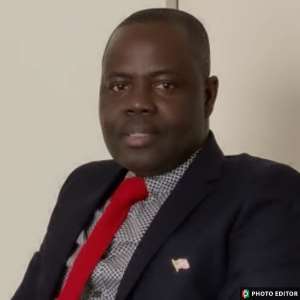
Ghana’s political landscape has long been shaped not by national vision, but by personal ambition, strategic self‑preservation, and competitive interest. As narrated by Kwodwo Oppong Nkrumah, the mindset of many Ghanaian politicians reveals a deep structural problem: a political culture that derails development instead of driving it.
His observations expose the internal logic of Ghanaian politics — a logic that prioritizes personal gain over national transformation, individual survival over collective progress, and political advantage over public interest.
This article explores the internal logic of Ghanaian politics — a logic that prioritizes personal gain over national transformation. His observations expose the internal culture of politics in Ghana: a culture driven not by national progress, but by personal interest, survival, and strategic self‑preservation. In Ghanaian politics, you must understand the following:
- Nobody has your interest — not even the people’s interest. In Ghanaian politics, the first reality is harsh but true: No politician is primarily thinking about you. Policies are often crafted not to uplift the nation, but to secure political advantage, maintain power, or reward loyal networks. When leaders do not think about the people, development becomes impossible. This mindset raises a critical question: Can a nation develop when its leaders do not prioritize national interest? The answer is clear — no.
- Everybody is chasing their own interest. Every politician is chasing his or her own benefit. Campaign promises, public speeches, and manifestos often mask deeper motives: securing influence, protecting personal networks, gaining financial advantage and positioning for future elections. The people who voted them into office become secondary. This self‑centered pursuit is one of the strongest forces pulling Ghana backward.
- Being with politicians is like dealing with tigers. Kwodwo Oppong Nkrumah describes political proximity as dangerous. You must keep your eyes open. You must watch every move. You must understand that loyalty in politics is fragile and conditional. Politicians are not reliable partners in development. Their focus shifts with opportunity, pressure, or personal benefit. Working with them requires caution, strategy and constant awareness.
- “Someone is being used — and if they can’t find that person and you cannot find that person, then it is you.” This is one of his most striking observations. In every political equation, someone is being used to advance another person’s agenda. If you look around and cannot identify who is being used, you are the one. Political actors often use people as stepping stones: to gain positions, to secure appointments, to build influence and to strengthen their political base. This mindset destroys trust and undermines collective progress.
- Serving politicians is like a bandage on a wound. Once the wound heals, the bandage loses its usefulness. Once politicians get what they want, your relevance ends. Your loyalty is valued only until their ambition is satisfied. This creates a culture where people serve not out of conviction, but out of fear, survival, or expectation of reward — a culture that cannot produce sustainable development.
- In politics, never weigh more than they believe. Politicians will earn the rewards, while you inherit the enemies. You may fight their battles, defend their name, and sacrifice your peace — but when the rewards come, they take them alone. When the enemies rise, they leave them for you. This imbalance discourages genuine service and encourages political opportunism.
- When interests conflict, always choose yours. In politics — and in any event — if other interests conflict with your interest, choose yours. Politicians will always choose theirs. Protect your future, your integrity, and your stability. This principle is not selfishness; it is survival.
- Never cross oceans for politicians — you may drown. Do not sacrifice your life, your peace, or your future for political actors. They will not cross rivers for you. They will not even cross puddles. Crossing oceans for them may drown you, because their loyalty is not guaranteed. This mindset explains why many people become disillusioned after serving political figures.
The Impact on National Development
Ghana’s development is slowed not by lack of resources, talent, or opportunity — but by a political culture that prioritizes personal interest over national progress. When leaders chase personal gain, national development becomes secondary. When political loyalty outweighs competence, institutions weaken. When self‑preservation replaces public service, policies fail. Ghana cannot rise on a foundation of political self‑interest. It can only rise when leaders adopt a mindset of national responsibility.
Conclusion
Kwodwo Oppong Nkrumah’s observations reveal a painful truth: Ghana’s political culture is not designed for development — it is designed for personal advantage. Until this mindset changes, national progress will remain slow, inconsistent, and fragile.
Understanding this reality is the first step toward demanding better leadership, stronger accountability, and a political system that truly serves the people
By Gaddiel Ackah
Gaddiel Ackah is a Ghanaian writer, thinker, and social commentator whose work boldly confronts the realities shaping Ghana’s political and spiritual landscape. With a distinctive voice grounded in truth, conviction, and lived experience, he explores the forces that influence national development, personal resilience, and the moral responsibilities of leadership.

 World Bank findings strengthen call for GoldBod probe – Jerry Ahmed
 Teacher salary delays now a human rights issue – Kofi Asare
 WASSCE, BECE outcomes threaten future of over 200,000 students – Osahen Afenyo-M...
 Nigerian presidential hopeful Obi promises anti-corruption drive
 Failing one or two BECE core subjects does not remove student from placement – E...
 Spiritualist found dead in suspected suicide at Assin-Amoabeng
 ‘Bunkpurugu must choose development over violence’ – MP tells residents
 Court orders Ghana Police to file disclosures in Labone robbery case
 Trump tells Putin he wants swift end to Ukraine war, Kremlin says
 No businessman will sponsor NPP again because of its ‘evil and greedy nature’ – ...

