




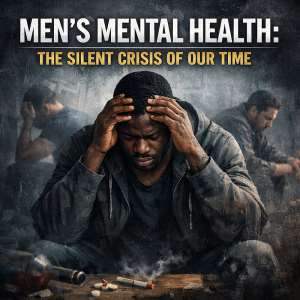
Understanding the Hidden Struggles of Men and Their Impact on Families, Nations, and Future Generations. A Comprehensive Global and African Perspective - © Ahmed Aidoo
1. INTRODUCTION
A man sits alone in his office after everyone has gone home. His business is struggling, bills are piling up, and he has not slept properly in months. Yet when asked how he is doing, his response is simple: "I'm fine."
Across the world, millions of men utter those same words every day. They are fathers, husbands, sons, soldiers, entrepreneurs, professionals, pastors, and community leaders. They carry responsibilities that affect families, institutions, and nations. Yet many do so while battling emotional pain that remains invisible to those around them.
Historically, men have been conditioned to embody strength, resilience, and self-reliance. While these qualities are admirable and often necessary, they can come at a significant psychological cost. Men frequently internalise emotional struggles because society rewards stoicism and discourages vulnerability. As a result, depression often goes undiagnosed, anxiety remains untreated, loneliness becomes chronic, and emotional pain accumulates until it reaches a crisis point.
The consequences are devastating not only for men themselves but also for families, communities, workplaces, and society as a whole.
Mental health is an essential component of overall health and well-being. It influences how individuals think, feel, behave, cope with stress, build relationships, make decisions, and contribute to society. Despite growing global awareness of mental health issues, the mental health needs of men often remain underrecognised, misunderstood, and insufficiently addressed. Across cultures and societies, men face unique psychological challenges that are frequently concealed behind expectations of strength, resilience, self-reliance, and emotional control.
For generations, many societies have defined masculinity through qualities such as toughness, stoicism, leadership, provision, and protection. While these characteristics can foster responsibility, perseverance, and achievement, they can also create barriers that prevent men from openly discussing emotional struggles or seeking help when they experience mental distress. Consequently, many men suffer in silence, suppressing emotions and delaying treatment until their challenges become severe.
The consequences of poor mental health among men extend far beyond the individual. Mental health influences the quality of marriages and intimate relationships, parenting practices, workplace performance, community engagement, and overall societal stability. When men struggle emotionally, the effects can ripple through families, workplaces, and entire communities. Conversely, when men enjoy positive mental well-being, they are better positioned to contribute meaningfully to their families, organisations, and nations.
Globally, mental health disorders affect hundreds of millions of people and represent one of the leading causes of disability and reduced quality of life. Conditions such as depression, anxiety disorders, post-traumatic stress disorder (PTSD), substance use disorders, chronic stress, and burnout affect men in every region of the world. However, research consistently shows that men are less likely than women to seek professional mental health support, often due to stigma, fear of judgment, cultural expectations, and traditional beliefs about masculinity. This reluctance to seek help contributes to worsening mental health outcomes and is reflected in the disproportionately high rates of suicide among men in many countries.
The situation presents particular challenges in Africa, where mental health systems often face limited resources, shortages of trained professionals, inadequate infrastructure, and persistent social stigma. In many African societies, men are expected to serve as providers, protectors, leaders, and symbols of strength. While these roles are valued, they can also place immense psychological pressure on men, especially in contexts characterised by poverty, unemployment, economic instability, conflict, and rapid social change. The expectation that men should remain emotionally strong regardless of circumstances can discourage help-seeking behavior and contribute to emotional isolation.
Beyond societal expectations, modern men face numerous stressors that affect their mental well-being. Economic pressures, job insecurity, relationship difficulties, loneliness, workplace demands, military service, family responsibilities, and major life transitions can all contribute to psychological distress. Many men experience these challenges privately, often expressing emotional pain through irritability, withdrawal, substance use, excessive work habits, or risk-taking behaviors rather than openly discussing their feelings.
Particularly concerning is the growing evidence linking loneliness and emotional isolation to adverse mental and physical health outcomes. Despite living in an increasingly connected world, many men report having few close relationships in which they can safely express vulnerability. The resulting isolation can contribute to depression, anxiety, substance abuse, relationship difficulties, and increased suicide risk.
The impact of men's mental health also extends across generations. Fathers play a crucial role in shaping children's emotional development, social behavior, academic outcomes, and future relationships. When men's mental health challenges remain untreated, children, spouses, and family systems may experience significant emotional and psychological consequences. Conversely, when men prioritise their mental well-being and receive adequate support, families become stronger, healthier, and more resilient.
This paper examines the complex and often overlooked issue of men's mental health from both global and African perspectives. It explores the nature of men's mental health challenges, the factors that contribute to emotional suppression and barriers to help-seeking, the impact of economic pressures and loneliness, and the effects of mental health on relationships, children, workplaces, and communities. The paper also considers the unique experiences of military personnel and veterans, the role of faith and spirituality, the contribution of women and families in supporting men's emotional well-being, and the broader societal costs of silence.
Finally, the paper presents practical recommendations for governments, educational institutions, employers, religious organisations, families, and communities to help create environments in which men can seek support without fear of stigma or judgment. By increasing awareness, challenging harmful stereotypes, promoting emotional literacy, strengthening mental health services, and implementing supportive policies such as paternity leave, societies can help men thrive emotionally, psychologically, and socially.
Ultimately, men's mental health is not merely a men's issue; it is a family issue, a community issue, an economic issue, and a national development issue. Understanding and addressing the hidden struggles of men is essential for building healthier families, stronger communities, and more prosperous nations.
The world has spent centuries teaching men how to be strong. The challenge now is to teach that true strength includes self-awareness, emotional honesty, and the courage to seek help when needed. By breaking the silence surrounding men's mental health, societies can unlock healthier families, more productive workplaces, stronger communities, and a brighter future for generations to come.
2. UNDERSTANDING MEN'S MENTAL HEALTH
Mental health encompasses emotional, psychological, and social wellbeing. It affects how individuals think, feel, make decisions, interact with others, and cope with life's challenges. Mental health conditions affecting men commonly include:
1. Depression: Depression is more than temporary sadness. It is a mental health disorder characterised by persistent feelings of sadness, hopelessness, or loss of interest in activities that were once enjoyable.
Common symptoms:
a) Persistent low mood
b) Fatigue or low energy
c) Difficulty concentrating
d) Changes in appetite or sleep
e) Feelings of worthlessness or guilt
f) Loss of motivation
g) Thoughts of death or suicide
In men, depression may sometimes appear as irritability, anger, risk-taking behavior, or withdrawal from family and friends rather than obvious sadness.
2. Anxiety Disorders: Anxiety disorders involve excessive fear, worry, or nervousness that interferes with daily life.
Common symptoms:
a) Constant worrying
b) Restlessness or feeling "on edge"
c) Rapid heartbeat
d) Sweating or trembling
e) Difficulty sleeping
f) Trouble concentrating
Examples include generalised anxiety disorder, panic disorder, and social anxiety disorder.
3. Post-Traumatic Stress Disorder (PTSD): PTSD can develop after experiencing or witnessing a traumatic event such as violence, military combat, serious accidents, natural disasters, or abuse.
Common symptoms:
a) Flashbacks or intrusive memories
b) Nightmares
c) Emotional numbness
d) Avoidance of reminders of the trauma
e) Hypervigilance (constantly feeling alert or unsafe)
f) Irritability and anger
PTSD can significantly affect relationships, work, and overall quality of life.
4. Substance Use Disorders: A substance use disorder occurs when a person becomes dependent on or misuses alcohol, drugs, or other substances despite negative consequences.
Common signs:
a) Cravings for the substance
b) Loss of control over use
c) Neglecting responsibilities
d) Continued use despite health, financial, or relationship problems
e) Withdrawal symptoms when not using
Some men may use substances as a way to cope with emotional distress, stress, or untreated mental health conditions.
5. Chronic Stress: Stress becomes chronic when it persists over a long period without adequate relief or coping strategies.
Common causes:
a) Work pressures
b) Financial difficulties
c) Family responsibilities
d) Health concerns
Effects may include:
a) Headaches
b) Muscle tension
c) Irritability
d) Fatigue
e) Sleep problems
f) Increased risk of anxiety and depression
6. Burnout: Burnout is a state of emotional, mental, and physical exhaustion caused by prolonged or excessive stress, often related to work or caregiving responsibilities.
Common symptoms:
a) Extreme fatigue
b) Reduced productivity
c) Feeling detached or cynical
d) Lack of motivation
e) Difficulty concentrating
f) Feeling overwhelmed
Burnout can negatively affect both mental and physical health if left unaddressed.
7. Suicidal Ideation: Suicidal ideation refers to thoughts about ending one's life, ranging from fleeting thoughts to detailed planning.
Warning signs may include:
a) Talking about wanting to die
b) Feeling hopeless or trapped
c) Withdrawing from loved ones
d) Giving away possessions
e) Increased substance use
f) Major changes in mood or behaviour
Suicidal thoughts should always be taken seriously and require immediate support from mental health professionals, trusted individuals, or crisis services. Men often face social and cultural pressures that may discourage them from expressing emotions or seeking help. As a result, mental health concerns may go unrecognised or untreated. Early recognition, open conversations, professional support, healthy coping strategies, and strong social connections can significantly improve mental well-being and quality of life.
One of the major challenges in recognising mental illness among men is that symptoms do not always appear in the ways people commonly expect. Mental health conditions such as depression and anxiety are often associated with feelings of sadness, tearfulness, or openly expressing emotional distress. However, many men may experience and express psychological difficulties differently.
Instead of showing obvious signs of sadness, men may exhibit behaviours that mask underlying emotional struggles, making mental health problems harder to identify and diagnose. Common signs many men display include:
1. Irritability:Becoming easily frustrated, impatient, or annoyed over minor issues.
2. Anger:Frequent outbursts, increased hostility, or difficulty controlling emotions.
3. Emotional Withdrawal: Avoiding conversations about feelings, distancing themselves from family and friends, or becoming socially isolated.
4. Aggressive Behaviour: Displaying verbal or physical aggression as a response to stress, anxiety, or emotional pain.
5. Excessive Work Habits: Using work as a way to avoid dealing with emotional problems, often resulting in workaholism and neglect of personal well-being.
6. Alcohol Dependency: Relying on alcohol or other substances to cope with stress, sadness, anxiety, or other emotional difficulties.
7. Risk-Taking Behaviour: Engaging in dangerous activities, reckless driving, gambling, unsafe sexual behaviour, or other high-risk actions as a way to manage emotional distress or seek escape.
Why These Signs Are Often Overlooked
These behaviours may be mistaken for personality traits, stress, lifestyle choices, or disciplinary issues rather than indicators of a mental health condition. Additionally, societal expectations that men should be strong, self-reliant, and emotionally restrained can discourage them from discussing their feelings or seeking professional help.
Importance of Awareness
Recognising these less obvious symptoms is essential for early intervention and support. Increased awareness among individuals, families, workplaces, and healthcare providers can help identify mental health concerns sooner, encourage help-seeking behaviour, and improve outcomes for men experiencing mental health challenges. Consequently, many men suffer unnoticed.
3. THE GLOBAL MENTAL HEALTH LANDSCAPE
According to the World Health Organisation (WHO), approximately one in every eight people globally lives with a mental health condition. Mental disorders account for a significant portion of the global burden of disease and disability. Research consistently shows that men are less likely to seek help for mental health challenges. Among the several factors contributing to this are fear of judgment, cultural expectations, social stigma, lack of emotional support networks and traditional views of masculinity. These are discussed in the ensuing lines.
1. Fear of Judgment: Many men worry that admitting to mental health struggles may lead others to view them as weak, incapable, or less competent. This fear of negative evaluation can discourage them from discussing their feelings or seeking professional support.
2. Cultural Expectations: In many societies, men are expected to be strong, independent, and emotionally resilient. These expectations can create pressure to handle problems alone, making it difficult for men to acknowledge emotional difficulties or ask for help.
3. Social Stigma: Mental illness is still stigmatised in some communities and workplaces. Men may fear discrimination, embarrassment, or damage to their reputation if they disclose a mental health condition, leading them to conceal symptoms rather than seek treatment.
4. Lack of Emotional Support Networks: Compared to women, some men may have fewer close relationships in which they feel comfortable discussing personal emotions and challenges. Without trusted support networks, they may struggle to share their experiences or receive encouragement to seek help.
5. Traditional Views of Masculinity: Traditional masculine norms often emphasise toughness, self-reliance, emotional control, and problem-solving without assistance. While these traits can be positive in certain situations, they may also discourage men from expressing vulnerability, recognising emotional distress, or accessing mental health services when needed.
Impact on Men's Mental Health
When mental health concerns go unaddressed, symptoms may worsen over time and affect various aspects of life, including:
a) Physical health
b) Relationships and family life
c) Work performance
d) Social functioning
e) Overall well-being
In some cases, untreated mental health conditions can contribute to substance misuse, chronic stress, burnout, or suicidal thoughts.
Importance of Encouraging Help-Seeking
Promoting open conversations about mental health, challenging harmful stereotypes, reducing stigma, and increasing access to supportive resources can help more men seek assistance when needed. Seeking help is not a sign of weakness; it is a proactive step toward maintaining health, resilience, and overall well-being. This reluctance to seek help often results in delayed diagnosis and treatment.
4. SUICIDE: THE DEADLIEST OUTCOME OF SILENCE
One of the most concerning indicators of men's mental health challenges is the high rate of suicide. Suicide is a major public health issue that affects individuals, families, communities, and societies worldwide. While mental health conditions affect people of all genders, men account for a disproportionately high number of suicide deaths in many countries. Perhaps the most troubling indicator of men's mental health struggles is suicide. Below is the Global Suicide Statistics:
In numerous countries, men are approximately three to four times more likely to die by suicide than women, highlighting the need for targeted mental health awareness, prevention, and support efforts.
Factors Contributing to Suicide Risk Among Men
Suicide is rarely caused by a single factor. Instead, it often results from a combination of psychological, social, economic, and environmental influences. Common contributing factors include:
1. Untreated Depression: Depression is one of the strongest risk factors for suicide. When symptoms remain unrecognised or untreated, feelings of hopelessness, worthlessness, and despair may intensify, increasing suicide risk.
2. Financial Hardship: Economic difficulties such as debt, loss of income, or financial insecurity can create overwhelming stress and anxiety. For some men, financial struggles may also affect their sense of identity, self-worth, or ability to fulfill perceived responsibilities.
3. Relationship Breakdown: Separation, divorce, family conflict, or the loss of important relationships can lead to emotional distress, loneliness, and feelings of rejection, which may contribute to suicidal thoughts.
4. Substance Abuse: Misuse of alcohol or drugs can worsen existing mental health conditions, impair judgment, increase impulsive behaviour, and reduce the likelihood of seeking help.
5. Loneliness and Social Isolation: A lack of meaningful social connections can leave individuals feeling unsupported and disconnected. Persistent loneliness is associated with increased risks of depression, anxiety, and suicidal behaviour.
6. Unemployment: Job loss or prolonged unemployment may result in financial strain, reduced self-esteem, loss of purpose, and increased psychological stress.
7. Trauma: Experiences such as abuse, violence, accidents, military combat, disasters, or the loss of a loved one can have long-lasting psychological effects. Trauma may increase the risk of conditions such as depression, anxiety, and post-traumatic stress disorder (PTSD), all of which are associated with elevated suicide risk.
Suicide Prevention
Suicide is preventable, and early intervention can save lives. Key prevention strategies include:
1. Promoting mental health awareness and education
2. Encouraging help-seeking behaviour
3. Reducing stigma surrounding mental illness
4. Strengthening social support systems
5. Expanding access to mental health services
6. Identifying and supporting individuals at risk
7. Addressing substance misuse and other contributing factors
Creating environments where men feel safe discussing emotional difficulties and seeking support is an important step toward reducing suicide rates and improving overall mental well-being.
Every suicide leaves behind grieving families, traumatised children, devastated spouses, and affected communities.
THE AFRICAN PERSPECTIVE
The African Perspective on Men's Mental Health
Men's mental health in Africa is influenced not only by common mental health risk factors but also by cultural expectations surrounding masculinity, responsibility, and social status. Many African men face significant psychological pressure while having limited opportunities to express vulnerability or seek support.
Challenges Affecting Men's Mental Health in Africa
African men often encounter multiple stressors, including:
1. Poverty and financial insecurity can make it difficult to fulfil family responsibilities.
2. Youth unemployment and underemployment can undermine self-esteem and a sense of purpose.
3. Conflict, violence, and insecurity, exposing men to trauma, displacement, and loss.
4. Limited access to mental health services, especially in rural and underserved communities.
5. Social stigma, which discourages men from discussing emotional struggles or seeking professional help.
According to estimates from the World Health Organisation African Region, approximately 150 million Africans live with mental health conditions. However, many men remain undiagnosed and untreated because they are less likely to seek help.
Cultural Expectations of Masculinity
In many African societies, manhood is often associated with:
1. Being the family's primary financial provider
2. Demonstrating leadership and authority
3. Protecting and supporting dependents
4. Showing emotional strength and self-reliance
5. Solving problems independently
These expectations can place enormous pressure on men to appear strong, even when they are struggling emotionally.
The Hidden Burden on Men
When men experience setbacks such as unemployment, financial hardship, illness, or relationship difficulties, they may feel they have failed in their expected roles.
For example, a man who loses his job may not only lose income but may also experience:
1. A loss of identity
2. Reduced self-worth
3. Feelings of shame and embarrassment
4. Anxiety about providing for his family
5. Depression and hopelessness
Because of societal expectations, many men suffer in silence rather than seeking help. Instead of openly expressing sadness, they may withdraw emotionally, become irritable, abuse alcohol, work excessively, or engage in risky behaviours.
Barriers to Help-Seeking Among African Men
Many men do not access mental health services because they fear being perceived as weak or incapable. Common barriers include:
1. Fear of judgment from family and community
2. Cultural beliefs that men should handle problems alone
3. Limited awareness of mental health conditions
4. Lack of male-focused mental health programs
5. Shortages of mental health professionals and facilities
Why Men's Mental Health Matters
Poor mental health among men can have far-reaching consequences for families and communities. It can affect:
1. Family relationships
2. Parenting and caregiving
3. Workplace productivity
4. Community leadership
5. Physical health and well-being
It may also contribute to substance abuse, social isolation, and increased suicide risk. Addressing men's mental health in Africa, therefore, requires not only strengthening mental health services but also challenging harmful stereotypes that prevent men from seeking support when they need it.
6. WHY MEN STRUGGLE TO EXPRESS THEIR EMOTIONS
Why Men Struggle to Express Their Emotions
One of the most significant challenges affecting men's mental health is difficulty expressing emotions. From an early age, many boys receive messages that shape how they view emotions and vulnerability. Common phrases such as:
1. "Be strong."
2. "Don't cry."
3. "Man up."
4. "Handle your own problems."
Teach boys that emotional expression is undesirable and that strength means enduring difficulties without seeking support.
The Impact of Early Socialisation
As boys grow into adulthood, these messages often become deeply ingrained beliefs. Many men come to associate vulnerability with weakness and believe that expressing sadness, fear, anxiety, or emotional pain may result in judgment, ridicule, or a loss of respect. Consequently, men may feel pressure to suppress their emotions rather than communicate them openly.
Emotional Suppression
Psychologists increasingly describe this pattern as emotional suppression. This is the conscious or unconscious avoidance of expressing emotions. Emotional suppression does not mean that men experience fewer emotions than women. Rather, it means that many men learn to hide, ignore, or internalise their feelings instead of discussing them. The result is not an absence of emotion but an inability to communicate emotions effectively.
How Emotional Suppression Manifests
When emotions remain unexpressed, they often emerge in other ways, including:
1. Irritability and anger
2. Emotional withdrawal
3. Difficulty forming close relationships
4. Aggressive behaviour
5. Excessive work habits
6. Alcohol or substance misuse
7. Risk-taking behaviours
These behaviours may be misunderstood as personality traits when they are actually signs of underlying emotional distress.
Consequences for Mental Health
Over time, emotional suppression can contribute to:
1. Chronic stress
2. Anxiety disorders
3. Depression
4. Relationship difficulties
5. Substance abuse
6. Burnout
7. Increased risk of suicide
Men who struggle to express emotions may also be less likely to seek professional help, allowing mental health problems to worsen before support is obtained.
Encouraging Healthy Emotional Expression
Promoting men's mental health requires challenging harmful stereotypes about masculinity and encouraging emotional openness. Men should be supported to:
1. Talk about their feelings without fear of judgment
2. Seek help when facing emotional difficulties
3. Build strong support networks
4. Develop healthy coping strategies
5. Understand that vulnerability is a sign of courage, not weakness
Creating environments where men can express emotions safely and openly is an important step toward improving mental health outcomes and overall well-being.
7. ECONOMIC PRESSURES AND THE BURDEN OF PROVISION
For many men, personal identity is closely tied to the ability to provide for themselves and their families. Across many cultures, men are often expected to be financial providers, protectors, and sources of stability. As a result, economic challenges can affect far more than a man's financial situation; they can also profoundly impact his mental and emotional well-being.
The Psychological Impact of Financial Struggles
When men face economic hardship, the effects often extend beyond the loss of income. Financial difficulties can undermine:
1. Self-esteem, causing men to question their value and capabilities.
2. Confidence: reducing belief in their ability to meet personal and family expectations.
3. Purpose: creating feelings of uncertainty about their role and contribution.
4. Social Standing; leading to embarrassment, shame, or fear of being judged by others.
For many men, employment and financial stability are closely linked to identity. Therefore, job loss, reduced income, or financial instability may be experienced not only as economic setbacks but also as personal failures.
Growing Economic Pressures
Global economic uncertainty has intensified these challenges. Rising costs of living, changing labour markets, and economic instability have increased stress levels for many men around the world.
Common sources of financial stress include:
1. Employment insecurity; fear of job loss, underemployment, or unstable income.
2. Rising living costs; increasing expenses for housing, food, healthcare, and education.
3. Debt obligations;loans, mortgages, credit card debt, and other financial commitments.
4. Family responsibilities;pressure to provide for spouses, children, parents, or extended family members.
The Link Between Financial Stress and Mental Health
Research consistently shows that financial stress is one of the strongest predictors of mental health difficulties among men. Persistent economic pressure can contribute to:
1. Anxiety and excessive worry
2. Depression and feelings of hopelessness
3. Chronic stress
4. Sleep disturbances
5. Relationship conflicts
6. Reduced productivity and work performance
7. Substance misuse as a coping mechanism
When financial challenges persist over time, men may feel trapped, overwhelmed, or unable to meet the expectations placed upon them, increasing the risk of serious mental health problems.
Breaking the Silence
Despite the significant impact of financial stress, many men are reluctant to discuss money-related struggles due to concerns about pride, stigma, or appearing incapable. Encouraging open conversations about financial pressures and mental health can help reduce isolation and promote healthier coping strategies. Recognising that economic hardship is often a shared societal challenge rather than a personal failure can help men seek support, access resources, and maintain their mental well-being during difficult times.
8. LONELINESS: THE INVISIBLE EPIDEMIC
Loneliness has emerged as one of the most significant yet often overlooked public health challenges of modern society. While advances in technology have made communication easier than ever, many men continue to experience profound feelings of social isolation and disconnection.
For many men, loneliness is not simply a lack of social contact; it is the absence of meaningful emotional connections and supportive relationships. A man can be surrounded by people and still feel deeply alone.
Why Men Are Particularly Vulnerable
Research suggests that men often maintain fewer close friendships and emotional support networks than women. While many men have acquaintances or work colleagues, they may have fewer relationships in which they feel comfortable discussing personal struggles, fears, or emotional challenges.
As a result, major life transitions can have a particularly significant impact on men's social well-being.
Examples include:
1. Divorce or separation, which may lead to the loss of a primary source of emotional support.
2. Retirement, which can reduce daily social interaction and create a loss of purpose and routine.
3. Job loss, which may not only affect income but also eliminate workplace relationships and social networks.
The Health Consequences of Loneliness
Loneliness is more than an emotional experience—it can have serious consequences for both mental and physical health. Studies have linked chronic loneliness to:
1. Depression
2. Anxiety
3. Heart disease
4. Cognitive decline
5. Increased suicide risk
Persistent loneliness can also contribute to chronic stress, poor sleep, reduced self-esteem, and unhealthy coping behaviours such as excessive alcohol consumption or social withdrawal.
The Silent Nature of Male Loneliness
One of the greatest challenges is that loneliness among men often remains hidden. Cultural expectations that men should be independent, self-sufficient, and emotionally resilient may discourage them from admitting feelings of loneliness.
For some men, acknowledging loneliness may feel like admitting weakness, social failure, or an inability to cope. Consequently, many suffer in silence, masking their emotional pain behind work, isolation, substance use, or a façade of self-reliance.
Addressing the Loneliness Epidemic
Combating loneliness requires creating opportunities for meaningful connection and encouraging men to build and maintain supportive relationships. This can include:
1. Strengthening friendships and family connections
2. Participating in community groups and social activities
3. Engaging in sports, volunteer work, or faith-based organisations
4. Encouraging open conversations about emotional well-being
5. Seeking professional support when feelings of isolation become overwhelming
Recognising loneliness as a legitimate health concern rather than a personal weakness is an important step toward improving men's mental health. Strong social connections provide emotional support, foster resilience, and help men navigate life's challenges with greater confidence and well-being.
9. THE IMPACT ON MARRIAGE AND RELATIONSHIPS
Mental health plays a crucial role in the quality and stability of intimate relationships. A man's emotional well-being affects how he communicates, manages conflict, expresses affection, and connects with his partner. When men experience emotional distress, depression, anxiety, chronic stress, or other mental health challenges, these difficulties can influence their behavior in ways that may be misunderstood by those closest to them. Men experiencing mental health struggles may become:
1. Withdrawn; avoiding social interaction or spending less time with their partners.
2. Irritable; becoming easily frustrated or reacting negatively to minor issues.
3. Less Communicative;finding it difficult to discuss feelings, concerns, or personal struggles.
4. Emotionally Unavailable;appearing distant, disconnected, or unable to provide emotional support.
Partners may interpret these behaviours as a lack of love, commitment, or interest in the relationship when they may actually be signs of underlying emotional distress.
Consequences of Untreated Mental Health Issues
When mental health challenges remain unaddressed, they can place significant strain on relationships and family life. Common consequences include:
1. Marital dissatisfaction due to unmet emotional needs and communication difficulties.
2. Increased conflictarising from misunderstandings, frustration, and poor emotional regulation.
3. Reduced intimacy as emotional distance affects physical and emotional closeness.
4. Family instabilityresulting from persistent tension and unresolved issues within the household.
Building Stronger Relationships
Healthy relationships depend on open communication, emotional awareness, empathy, and mutual support. Encouraging men to recognise and discuss their emotional experiences can strengthen relationships and improve overall family well-being.
Healthy communication and emotional awareness are therefore essential foundations for strong, resilient marriages and partnerships.
10. THE IMPACT ON CHILDREN AND FUTURE GENERATIONS
Mental health affects not only individuals but also the families and future generations around them. Children learn important emotional and social skills by observing the behaviour of their parents, particularly during their formative years. Fathers play a critical role in shaping children's emotional development, confidence, and understanding of relationships. When a father is struggling with untreated mental health challenges, the effects may extend beyond his own well-being. A father experiencing mental health difficulties may:
1. Be less emotionally available to his children.
2. Engage less frequently in family activities and daily interactions.
3. Display irritability, frustration, or emotional withdrawal.
4. Have difficulty providing consistent emotional support and guidance.
Effects on Children's Development
Research consistently demonstrates that parental mental health influences multiple aspects of a child's development, including:
1. Emotional Development – children's ability to understand, express, and regulate emotions.
2. Academic Performance – concentration, motivation, and school achievement.
3. Behavioural Outcomes – social behaviour, self-control, and responses to stress.
4. Future Relationships – how children form attachments, communicate, and build relationships later in life.
Children often learn emotional habits by observing how their parents cope with challenges. When fathers model healthy emotional expression, resilience, and help-seeking behaviour, children are more likely to develop these skills themselves.
Breaking the Cycle
Prioritising men's mental health is not only beneficial for individual well-being but also for the health and stability of families. When fathers receive appropriate support and care, they are better equipped to nurture, guide, and connect with their children.
By addressing mental health challenges early, fathers can help create healthier family environments, foster positive emotional development, and contribute to stronger outcomes for future generations.
When fathers prioritise their mental well-being, the benefits often extend far beyond themselves to their children, families, and communities.
11. MENTAL HEALTH IN PROFESSIONAL LIFE
Mental health is a critical factor in workplace performance, productivity, and overall job satisfaction. Employees who experience positive mental well-being are generally better able to focus, solve problems, collaborate with colleagues, and adapt to workplace challenges.
For many men, work is closely connected to identity, achievement, and financial security. As a result, mental health difficulties can have a significant impact on both professional performance and personal well-being.
Common Workplace Challenges Associated with Poor Mental Health
Mental health concerns can contribute to:
1. Reduced Concentration: difficulty focusing on tasks, retaining information, or maintaining attention.
2. Burnout: emotional, physical, and mental exhaustion caused by prolonged workplace stress.
3. Poor Decision-Making;impaired judgment, reduced problem-solving ability, and increased errors.
4. Absenteeism: frequent absence from work due to emotional distress, stress-related illnesses, or mental health conditions.
5. Reduced Productivity; decreased efficiency, motivation, and overall work performance.
The Organisational Impact
Mental health challenges affect not only individual employees but also organisations as a whole. Poor mental health can lead to:
1. Lower employee engagement
2. Increased staff turnover
3. Higher healthcare costs
4. Reduced team performance
5. Workplace conflicts and communication difficulties
As awareness grows, organisations increasingly recognise that employee well-being is closely linked to organisational success. A mentally healthy workforce is often more productive, innovative, resilient, and committed.
Creating Mentally Healthy Workplaces
Employers can support mental well-being by:
1. Promoting work-life balance
2. Reducing stigma around mental health discussions
3. Providing access to counseling and support services
4. Encouraging supportive leadership practices
5. Recognising and addressing workplace stressors
Supporting mental health is therefore both a human responsibility and a business priority, benefiting employees, organisations, and society as a whole.
12. MILITARY PERSONNEL AND VETERANS
Military service presents unique psychological challenges that can significantly affect mental health. Service members and veterans are often exposed to situations involving high levels of stress, danger, uncertainty, and emotional strain. While many military personnel demonstrate remarkable resilience, the demands of military life can increase the risk of mental health difficulties during and after service.
For many men, military service is closely tied to identity, purpose, strength, and self-worth. The military culture often emphasises courage, discipline, self-reliance, and sacrifice—qualities that are essential for operational effectiveness and mission success. However, these same expectations can sometimes make it difficult for men to acknowledge emotional struggles or seek support when needed.
Many male service members are trained to remain calm under pressure, suppress fear, and place the mission above personal needs. While these skills are vital in combat and operational environments, they may contribute to emotional suppression and reluctance to discuss psychological difficulties after service. As a result, some men may suffer in silence, believing they must handle their struggles alone rather than seek professional help.
Consequently, mental health challenges among military personnel and veterans may go unrecognised or untreated, affecting not only the individual but also their families, relationships, careers, and overall quality of life.
Why Men in the Military May Struggle to Seek Help
Many military men may believe that:
1. Seeking help is a sign of weakness.
2. They should be able to handle problems on their own.
3. Emotional struggles should remain private.
4. Admitting distress could affect their reputation or career.
As a result, mental health concerns may go unnoticed or untreated until they become severe.
Real-Life Scenarios
Scenario 1: The Combat Veteran
A 38-year veteran returns home after multiple deployments. During service, he witnessed injuries and deaths among fellow soldiers.
Although physically safe, he experiences:
1. Frequent nightmares
2. Flashbacks of combat situations
3. Irritability and anger
4. Difficulty sleeping
Rather than discussing his experiences, he tells himself to "stay strong." Over time, he becomes emotionally distant from his wife and children. This is a common example of how PTSD can affect men who feel pressured to suppress emotional pain.
Scenario 2: The Grieving Soldier
A soldier loses a close friend during an operation.
Instead of expressing grief, he focuses entirely on work and avoids discussing the loss. Months later, he becomes withdrawn and emotionally numb.
Family members notice:
1. Reduced communication
2. Loss of interest in activities
3. Increased isolation
What appears to be emotional detachment may actually be unresolved grief and depression.
Scenario 3: The Veteran Struggling with Reintegration
After twenty years of military service, a man retires and returns to civilian life.
During service:
1. His daily routine was structured.
2. His role was clearly defined.
3. He had strong bonds with fellow soldiers.
After retirement, he experiences:
1. Loss of identity
2. Social isolation
3. Difficulty finding meaningful employment
4. Feelings of purposelessness
He begins questioning his value and struggles with depression. For many men, leaving the military can feel like losing a core part of who they are.
Scenario 4: Family Separation and Relationship Strain
A soldier spends long periods away from home on deployment.
While he is committed to serving his country, the separation creates emotional strain within the family.
Upon returning home, he finds:
1. His children have become less connected to him.
2. His spouse has adapted to managing independently.
3. Communication feels difficult.
Rather than discussing his emotions, he withdraws further, creating tension within the household. This can contribute to marital conflict, loneliness, and emotional distress.
Scenario 5: Substance Use as a Coping Mechanism
A veteran struggles with anxiety and sleep problems after service.
Instead of seeking counselling, he begins relying on alcohol to:
1. Relax
2. Sleep
3. Escape distressing memories
Initially, drinking appears to provide relief, but over time it leads to:
1. Dependency
2. Relationship problems
3. Poor physical health
4. Worsening depression
This illustrates how untreated mental health challenges can develop into substance abuse disorders.
Unique Stressors Faced by Military Personnel
Military members may be exposed to:
1. Combat Experiences with direct exposure to violence, injury, or life-threatening situations.
2. Loss of Colleagues with grief and emotional trauma resulting from the death or injury of fellow service members.
3. Operational Stress with prolonged periods of vigilance, high-pressure decision-making, and demanding deployments.
4. Family Separation with extended time away from spouses, children, and support networks.
These experiences can have lasting psychological effects and may continue to affect individuals long after active service has ended.
The Impact on Men, Families, and Society
When military-related mental health issues remain untreated, the consequences often extend beyond the individual. They can affect:
1. Marriages and intimate relationships
2. Parenting and family functioning
3. Employment and career transitions
4. Physical health
5. Community involvement
6. Overall quality of life
Children may experience emotional distance from fathers who are struggling, while spouses may feel confused by withdrawal, irritability, or emotional unavailability.
Common Mental Health Concerns
Military personnel and veterans may experience:
1. Post-Traumatic Stress Disorder (PTSD) – recurring distress related to traumatic experiences.
2. Depression – persistent sadness, hopelessness, and loss of interest in daily activities.
3. Anxiety Disorders – excessive worry, fear, or heightened alertness.
4. Sleep Disorders – insomnia, nightmares, and disrupted sleep patterns.
5. Substance Abuse – the misuse of alcohol or drugs as a way of coping with emotional pain or stress.
The Importance of Support
Untreated mental health conditions can affect relationships, employment, physical health, and overall quality of life. They may also increase the risk of social isolation, family difficulties, and suicidal behaviour.
Effective support for military personnel and veterans includes:
1. Early identification of mental health concerns
2. Access to counselling and psychological services
3. Peer support programs
4. Family support initiatives
5. Rehabilitation and reintegration services
Supporting military mental health is essential not only for operational effectiveness and mission readiness but also for ensuring the long-term well-being, dignity, and successful reintegration of those who have served their countries.
Encouraging Help-Seeking Among Military Men
One of the most important messages for military personnel and veterans is that seeking support is not a sign of weakness—it is a sign of strength, responsibility, and courage.
Just as soldiers seek medical treatment for physical injuries, they should feel empowered to seek help for psychological injuries.
Support can come through:
1. Mental health professionals
2. Veteran support groups
3. Peer mentoring programs
4. Family counselling
5. Faith and community support networks
A strong soldier does not carry every burden alone. A strong soldier recognises when support is needed and takes action to protect his mental health, his family, and his future.
13. FAITH, SPIRITUALITY, AND EMOTIONAL WELLBEING
Faith and spirituality can play a significant role in promoting mental and emotional well-being. For many men, spiritual beliefs provide a framework for understanding life's challenges, finding meaning during difficult times, and maintaining hope in the face of adversity. In times of stress, loss, uncertainty, or emotional pain, faith can serve as an important source of strength and support.
Benefits of Faith and Spirituality
Faith communities and spiritual practices can contribute positively to mental health by fostering:
1. Hope by providing encouragement and optimism during difficult circumstances.
2. Purpose by way of helping individuals find meaning and direction in life.
3. Resilience by strengthening the ability to cope with setbacks, challenges, and adversity.
4. Community Support in creating opportunities for connection, encouragement, and mutual care.
Participation in religious or spiritual communities can also reduce feelings of isolation by providing a sense of belonging and shared identity.
Understanding Mental Health and Faith
While faith can be a valuable source of comfort and healing, it is important to recognise that mental health challenges are not a sign of spiritual failure or weak faith.
Conditions such as depression, anxiety, post-traumatic stress disorder (PTSD), and other mental health disorders are complex conditions influenced by biological, psychological, social, and environmental factors. They can affect anyone, regardless of their level of faith or spiritual commitment.
Just as a person with a physical illness may require medical treatment, a person experiencing mental health difficulties may benefit from professional support and evidence-based care.
The Role of Professional Support
Professional counselling and spiritual guidance should not be viewed as opposing approaches. Instead, they can complement one another.
Many individuals find benefit in combining:
1. Psychological counselling or therapy
2. Medical treatment when appropriate
3. Spiritual guidance and pastoral care
4. Prayer, meditation, or other faith-based practices
5. Support from family, friends, and faith communities
This holistic approach addresses emotional, psychological, social, and spiritual needs simultaneously.
Encouraging Men to Seek Help
For many men, faith can provide the courage to acknowledge personal struggles and seek support when needed. Reaching out for help is not an indication of weakness, failure, or a lack of faith. Rather, it demonstrates self-awareness, responsibility, and a commitment to personal growth and well-being.
Seeking help reflects wisdom, not weakness.
By embracing both spiritual resources and professional mental health support, men can build resilience, strengthen emotional well-being, and navigate life's challenges with greater confidence and hope.
14. THE ROLE OF WOMEN
Women often play a significant role in promoting the emotional well-being of the men in their lives, whether as spouses, partners, mothers, sisters, friends, colleagues, or community leaders. Their support can help create environments where men feel comfortable expressing emotions and seeking assistance when facing mental health challenges. Because many men have been socialised to suppress vulnerability, they may be more likely to discuss personal struggles when they feel accepted, respected, and emotionally safe.
How Women Can Support Men's Emotional Well-Being
Women can contribute positively by:
1. Creating Safe Spaces for Conversation by encouraging open, non-judgmental discussions about feelings, stress, and personal challenges.
2. Encouraging Help-Seeking Behaviour by supporting men in accessing professional counselling, therapy, or other mental health services when needed.
3. Recognising Warning Signs by being attentive to changes in mood, behaviour, communication patterns, or social withdrawal that may indicate emotional distress.
4. Supporting Emotional Openness by validating emotions and encouraging healthy expression rather than reinforcing harmful stereotypes about masculinity.
The Importance of Emotional Safety
Many men are reluctant to discuss emotional struggles because they fear criticism, rejection, embarrassment, or being perceived as weak. When women respond with patience, empathy, and understanding, they can help reduce these fears and encourage honest communication.
Men are often more willing to share their concerns when they feel:
1. Listened to without judgment
2. Respected and understood
3. Accepted despite their vulnerabilities
4. Supported rather than criticised
Creating this sense of emotional safety can strengthen relationships and improve mental well-being.
Recognising the Limits of Support
While emotional support from partners, family members, and friends is valuable, women are not responsible for solving or carrying the full burden of a man's mental health challenges. Serious mental health conditions may require professional intervention, counselling, medical treatment, or specialised support services. The goal is not to become a therapist, but to provide encouragement, understanding, and support while helping men access appropriate resources when necessary.
Building Healthier Relationships
Strong relationships are built on mutual trust, communication, empathy, and emotional honesty. When women encourage healthy emotional expression, and men feel safe discussing their struggles, barriers to help-seeking can be reduced.
Empathy and understanding can therefore become powerful tools for healing, helping men feel less isolated, strengthening relationships, and promoting healthier families and communities.
15. THE COST OF SILENCE
One of the greatest dangers in men's mental health is not emotional pain itself, but the decision to endure that pain alone. While stress, sadness, disappointment, and emotional struggles are normal parts of life, problems often become more serious when they are ignored, hidden, or left unaddressed.
Many men have been taught to remain silent about their struggles, believing that asking for help is a sign of weakness. As a result, emotional difficulties may remain hidden until they reach a crisis point.
How Silence Intensifies Mental Health Challenges
When emotional pain is suppressed rather than addressed, it can gradually worsen over time. What begins as a manageable challenge may develop into a more serious mental health condition.
Silence can transform:
1. Stress into Anxiety; persistent worries and pressures begin to feel overwhelming.
2. Anxiety into Depression; ongoing emotional strain can lead to hopelessness, sadness, and loss of motivation.
3. Depression into Hopelessness; untreated depression may cause individuals to believe that their situation will never improve.
4. Hopelessness into Crisis: prolonged emotional suffering can increase the risk of self-destructive behaviours, substance abuse, and suicidal thoughts.
The Hidden Effects of Emotional Suppression
Men who suppress emotional pain often experience symptoms that become more severe over time, including:
1. Chronic stress
2. Anxiety disorders
3. Depression
4. Anger and irritability
5. Relationship difficulties
6. Substance misuse
7. Physical health problems
8. Social isolation
Because these struggles are often concealed, friends, family members, and colleagues may be unaware of the extent of a man's suffering.
The Wider Impact on Society
The consequences of untreated mental health challenges extend beyond the individual. The cost of silence is often borne by:
1. Families, through strained relationships and emotional distance.
2. Children, through reduced parental engagement and support.
3. Employers, through absenteeism, burnout, and reduced productivity.
4. Communities, through weakened social connections and support networks.
5. Society, through increased healthcare costs, lost productivity, and preventable tragedies.
Breaking the Silence
The most effective response to emotional suffering is not isolation but connection. Talking to a trusted friend, family member, faith leader, mentor, or mental health professional can provide support, perspective, and practical solutions.
Seeking help does not make a man weak; it demonstrates courage, self-awareness, and a commitment to well-being. Breaking the silence allows healing to begin and helps prevent emotional struggles from developing into more serious crises.
Ultimately, the message is simple yet powerful: No man should have to suffer alone. Open conversation, support, and early intervention can save relationships, strengthen families, improve communities, and, in some cases, save lives.
16. RECOMMENDATIONS FOR GOVERNMENTS AND SOCIETY
Improving men's mental health is not solely the responsibility of individuals. It requires a coordinated effort from governments, institutions, communities, workplaces, families, and faith-based organisations. Creating supportive environments can help reduce stigma, encourage early intervention, and improve overall well-being.
The Role of Governments
Governments play a critical role in shaping mental health policy and ensuring access to care. Key actions include:
1. Increasing mental health funding to strengthen services and resources.
2. Expanding access to mental healthcare, particularly in underserved and rural communities.
3. Developing suicide prevention programs that target high-risk populations and promote early intervention.
4. Strengthening community mental health services to provide accessible and affordable support.
5. Promoting family-friendly policies, including paternity leave, to support fathers' mental health, strengthen family bonds, and improve work-life balance.
The Importance of Paternity Leave for Men's Mental Health
Paternity leave is increasingly recognised as an important component of family well-being and mental health. The transition to fatherhood can be both rewarding and challenging, bringing new responsibilities, financial pressures, lifestyle adjustments, and emotional demands.
Providing fathers with adequate paternity leave can help to:
1. Strengthen father-child bonding during the early stages of development.
2. Support partners during pregnancy, childbirth, and the postpartum period.
3. Reduce work-family conflict and stress.
4. Improve emotional well-being and adjustment to parenthood.
5. Encourage active and engaged fatherhood.
6. Reduce feelings of anxiety, overwhelm, and emotional isolation.
For many men, the expectation to continue working immediately after the birth of a child while simultaneously adapting to new family responsibilities can create significant psychological strain. Paternity leave allows fathers time to adjust, participate in caregiving, and build stronger family relationships, all of which can contribute positively to mental health.
Example Scenario
Consider a new father whose partner has recently given birth. Without paternity leave, he may be expected to return to work almost immediately while coping with sleep deprivation, increased household responsibilities, concerns about finances, and the emotional demands of supporting his family.
With adequate paternity leave, he can actively participate in caring for his newborn, support his partner's recovery, establish a strong emotional connection with his child, and adapt more effectively to his new role as a parent. This can reduce stress, improve confidence, and promote better mental health outcomes for the entire family. Investment in mental health is an investment in public health, economic productivity, and social well-being. By strengthening mental health services and adopting supportive family policies such as paternity leave, governments can help create healthier individuals, stronger families, and more resilient communities.
The Role of Educational Institutions
Schools, colleges, and universities have an important opportunity to promote emotional well-being from an early age. They can:
1. Teach emotional literacy, helping young people understand and express emotions effectively.
2. Promote mental health awareness to reduce misconceptions and stigma.
3. Encourage healthy coping strategies for managing stress, adversity, and life's challenges.
Early education can equip future generations with the skills needed to maintain positive mental health throughout life.
The Role of Employers
Given the amount of time people spend at work, employers are uniquely positioned to support mental well-being. Organisations can:
1. Support workplace well-being programs that promote mental and emotional health.
2. Reduce stigma surrounding mental health by fostering open and supportive workplace cultures.
3. Provide counselling services and employee assistance programs for those experiencing difficulties.
Supporting employee mental health benefits both individuals and organisations through improved productivity, engagement, and job satisfaction.
The Role of Religious Institutions
Faith communities often serve as trusted sources of guidance and support. Religious institutions can contribute by:
1. Addressing mental health openlythrough teaching, counselling, and community discussions.
2. Encouraging professional intervention when mental health challenges require specialised care.
3. Providing support networks that help individuals feel connected and valued.
By combining spiritual support with professional mental health care, faith communities can play a powerful role in promoting healing and resilience.
The Role of Families
Families are often the first line of support for individuals experiencing emotional difficulties. Healthy family environments can promote mental well-being by:
1. Fostering open communication about emotions and personal challenges.
2. Listening without judgment and providing empathy and understanding.
3. Encouraging help-seeking behaviour when professional support is needed.
When family members feel safe discussing their struggles, they are more likely to seek assistance before problems become severe.
Moving Forward Together
Addressing men's mental health requires a collective commitment from every sector of society. Governments, educational institutions, employers, religious organisations, and families all have important roles to play in creating environments where men feel supported, understood, and empowered to seek help. By working together to reduce stigma, increase awareness, and improve access to care, society can help ensure that men are not forced to face mental health challenges alone and can lead healthier, more fulfilling lives.
17. CONCLUSION
For generations, societies around the world have taught men the importance of strength, resilience, responsibility, and perseverance. These qualities remain valuable. However, the challenge of our time is to help men understand that strength and vulnerability are not opposites—they are complementary aspects of emotional well-being and personal growth.
The evidence is undeniable. Mental health challenges affect millions of men worldwide. Men are often less likely to seek help, more likely to suppress emotional distress, and, in many countries, more likely to die by suicide. The consequences are visible in families, workplaces, communities, and societies. The need for action is urgent. Men's mental health is not solely a personal issue; it is a social, economic, and public health concern. It influences:
1. The quality of marriages and relationships
2. Children's emotional and psychological development
3. Workplace productivity and performance
4. Community stability and cohesion
5. National health and economic prosperity
A society that expects men to lead, provide, protect, and serve must also create environments that allow them to heal, express themselves, seek support, and discuss their struggles without fear of judgment or shame. True strength is not measured by the absence of hardship. Every person encounters challenges, setbacks, and moments of vulnerability. The measure of strength lies in how those challenges are confronted. The strongest man is not the one who never struggles. The strongest man is the one who recognises his struggles, speaks about them, and dares to seek help when needed.
By promoting mental health awareness, reducing stigma, strengthening support systems, and encouraging open conversations, we can help men live healthier, more fulfilling lives.
When men thrive mentally, families flourish. When families flourish, communities prosper.
When communities prosper, nations grow stronger.
The time to break the silence is now. In Shaa Allaah, egohappen.
© Ahmed Aidoo
18. REFERENCES
1. American Psychological Association. (2023). Guidelines for psychological practice with boys and men. American Psychological Association.
2. International Labour Organisation. (2024). World employment and social outlook report. International Labour Organisation.
3. Mental Health Foundation. (2024). Men's mental health statistics and trends. Mental Health Foundation.
4. United Nations. (2024). World social report: Mental health and wellbeing. United Nations.
5. World Bank. (2024). Mental health and economic productivity in developing countries. World Bank.
6. World Health Organisation. (2024). Mental health overview. World Health Organisation.
7. World Health Organisation. (2024). Suicide fact sheet. World Health Organisation.
8. World Health Organisation Regional Office for Africa. (2025). Mental health conditions affect 150 million people in Africa. World Health Organisation Regional Office for Africa.
9. American Psychiatric Association. (2022). Diagnostic and statistical manual of mental disorders (5th ed., text rev.; DSM-5-TR). American Psychiatric Publishing.
10. Mental Health Foundation. (2024). Men's mental health statistics. Mental Health Foundation.
11. National Institute of Mental Health. (2024). Depression. U.S. Department of Health and Human Services.
12. National Institute of Mental Health. (2024). Anxiety disorders. U.S. Department of Health and Human Services.
13. Substance Abuse and Mental Health Services Administration. (2023). Key substance use and mental health indicators in the United States. U.S. Department of Health and Human Services.
14. United Nations. (2024). World social report 2024: Mental health and wellbeing. United Nations.
15. World Health Organisation. (2022). World mental health report: Transforming mental health for all. World Health Organisation.
16. World Health Organisation. (2024). Mental health. World Health Organisation.
17. World Health Organisation. (2024). Suicide. World Health Organisation.
18. World Health Organisation. (2024). Depression. World Health Organisation.
19. World Health Organisation. (2024). Mental disorders. World Health Organisation.
20. World Health Organisation Regional Office for Africa. (2025). Mental health conditions affect 150 million people in Africa. World Health Organisation Regional Office for Africa.
21. African Union. (2024). Mental health and psychosocial support in Africa. African Union Commission.
22. Mahalik, James R.., Burns, S. M., & Syzdek, M. (2007). Masculinity and perceived normative health behaviors as predictors of men's health behaviors. Social Science & Medicine, 64(11), 2201–2209. https://doi.org/10.1016/j.socscimed.2007.02.035
23. Wong, Y. Joel., Ho, M. H. R., Wang, S. Y., & Miller, I. S. K. (2017). Meta-analyses of the relationship between conformity to masculine norms and mental health-related outcomes. Journal of Counselling Psychology, 64(1), 80–93. https://doi.org/10.1037/cou0000176
24. Richardson, Thomas., Elliott, P., & Roberts, R. (2013). The relationship between personal unsecured debt and mental and physical health: A systematic review and meta-analysis. Clinical Psychology Review, 33(8), 1148–1162. https://doi.org/10.1016/j.cpr.2013.08.009
25. Smith, T. B., Baker, M., Harris, T., & Stephenson, D. (2015). Loneliness and social isolation as risk factors for mortality: A meta-analytic review. Perspectives on Psychological Science, 10(2), 227–237. https://doi.org/10.1177/1745691614568352
26. World Health Organisation. (2024). Social connection and loneliness. World Health Organisation.


 Ghana, Panama sign MoU to deepen bilateral political consultations
 Founder’s Day: NAPO urges Ghanaians to uphold Kwame Nkrumah’s legacy
 Founder’s Day: Mahama urges Ghanaians to draw inspiration from Nkrumah’s vision
 Mahama to build 400-bed Mother and Child Block at Korle Bu – Kwakye Ofosu
 GES threatens sanctions against SHS heads imposing unauthorised charges
 Betting could destroy future of Ghana’s youth in 3–5 years – Akim Swedru MP
 Zimbabwe Suspends Journalist for One Year Over ‘Unethical’ Reporting on Chinese ...
 Third Drug Mule in 3 Weeks: R2m Heroin Found in SA Man’s Luggage at OR Tambo
 NACOC Debunks MP’s Claim as France’s €225m Cocaine Case Deepens
 Putin party retains majority in first vote since 2022 invasion of Ukraine


