




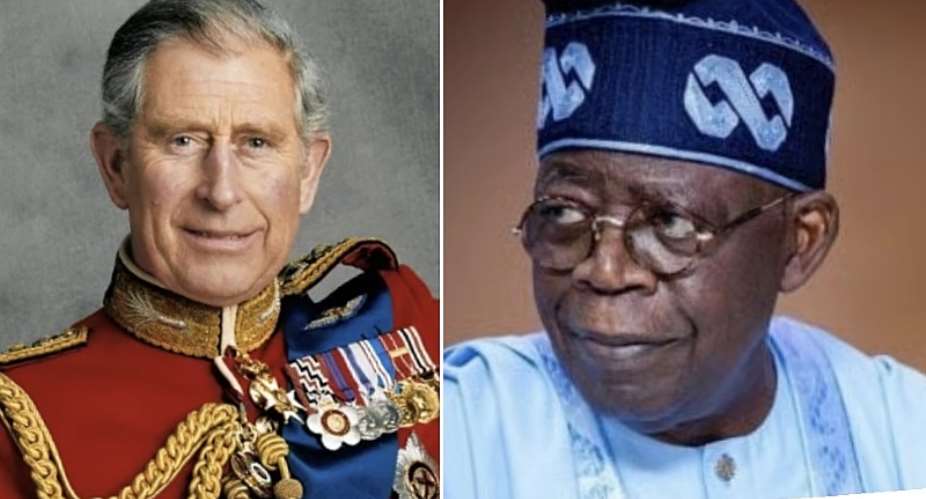
To all intents and purposes, Britain’s interest in the security of Nigerian Christians stands at the intersection of diplomacy, historical affiliation, human rights advocacy, and geopolitical strategy. Nigeria, as Africa’s most populous nation and one of its largest economies, maintains deep historical and institutional ties with the United Kingdom. These ties are largely rooted in colonial history that has been sustained through trade, education, migration, and shared membership in international bodies. And they have naturally extended to issues of governance, stability, and human rights. Within this context, the concerns raised by civil society organisations during President Bola Ahmed Tinubu’s recent state visit to the United Kingdom reflect not only humanitarian anxieties but also strategic considerations for both nations.
During the two-day visit, President Tinubu engaged in a series of high-level meetings and ceremonial activities that highlighted the importance of UK–Nigeria relations. The visit included diplomatic discussions that focused on trade partnerships, investment opportunities, security cooperation, and climate initiatives. Meetings with senior British officials and engagements with business leaders were aimed at strengthening economic ties and encouraging foreign investment in Nigeria. While the public-facing agenda emphasized economic diplomacy and bilateral cooperation, such visits also traditionally provided space for more sensitive discussions behind closed doors, including issues related to human rights and internal security challenges. It is within this quieter diplomatic space that concerns about the plight of Christian communities in Nigeria were most likely raised but whatever happened was not made public for whatever reason.
When coalitions of advocacy organisations submit formal communications to government envoys, such as the UK Special Envoy for Freedom of Religion or Belief, those concerns typically enter official diplomatic channels. They are often incorporated into briefing documents prepared ahead of high-level engagements. Therefore, it is reasonable to conclude that the substance of the report regarding violence against Christian communities did reach British officials responsible for shaping discussions with the Nigerian delegation. Whether the report was presented directly to President Tinubu in explicit terms is less clear as he never directly spoke to the press about that. This could have, perhaps, been because diplomatic protocol often favours careful phrasing and broader framing around national security and communal violence instead of attributing victimhood to a single religious group in official dialogues.
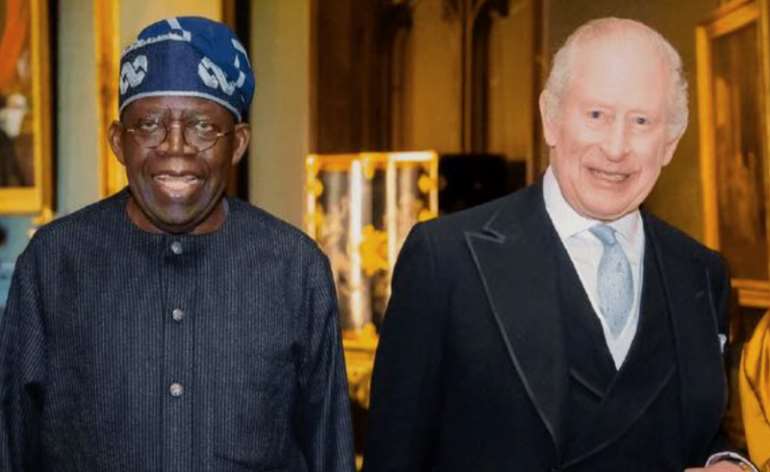
The question of whether President Tinubu, as a Muslim, was personally influenced by such a report requires a more nuanced understanding of leadership responsibilities in a pluralistic society. Nigeria is constitutionally secular, and its leadership is expected to govern in the interest of all citizens, regardless of religious affiliation. Tinubu’s administration has consistently framed insecurity as a national crisis affecting multiple regions and communities which include both Christians and Muslims. From the government’s perspective, the violence in the Middle Belt and other affected regions is often described in terms of banditry, resource conflicts, and insurgency rather than pure religious persecution.
This framing does not necessarily negate the experiences reported by Christian communities but it reflects a broader governmental narrative aimed at addressing insecurity as a complex, multi-dimensional issue. If the concerns raised by advocacy groups were communicated during the visit, Tinubu’s likely response would have aligned with this broader framing. Nigerian officials typically emphasize ongoing military operations, security reforms, and efforts to strengthen intelligence gathering as evidence of commitment to protecting all citizens. At the same time, they may resist characterizations that suggest systemic bias or deliberate neglect of specific religious groups, as such claims carry significant political and diplomatic implications.
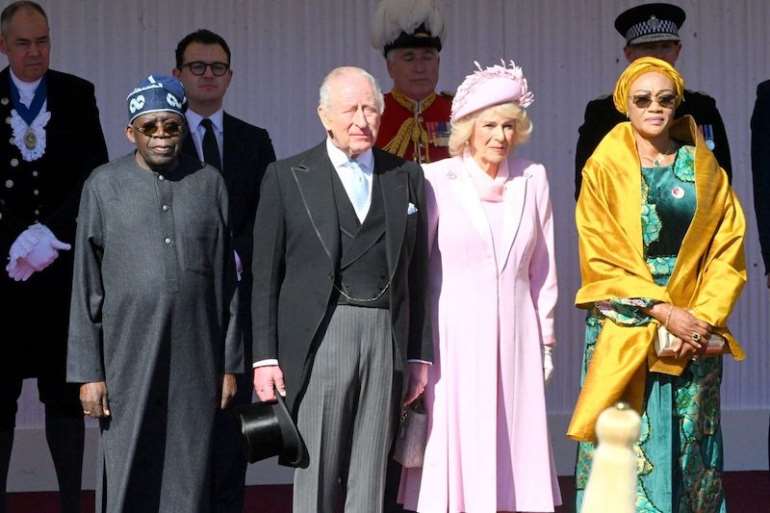
From the British perspective, engagement on this issue is shaped by a combination of moral responsibility and strategic interest. The United Kingdom positions itself as a global advocate for freedom of religion or belief, and it has institutional mechanisms dedicated to monitoring and responding to religious persecution worldwide. Nigeria, given its size, influence, and the scale of reported violence, naturally attracts attention within this framework. British policymakers are particularly concerned about the potential for religious tensions to escalate into broader instability, which could have regional and international repercussions, including increased migration pressures, economic disruption, and security risks.
Britain’s role in promoting the safety of Nigerian Christians, and indeed all vulnerable communities, is primarily exercised through diplomatic engagement, development assistance, and security cooperation. Diplomatically, the UK raises concerns through bilateral discussions, multilateral forums, and special envoys tasked with advocating for religious freedom. These engagements often aim to encourage accountability, improve governance structures, and promote inclusive policies that address the root causes of conflict.
In terms of development assistance, the UK supports programmes designed to strengthen community resilience, enhance conflict resolution mechanisms, and address socio-economic inequalities that contribute to violence. Such initiatives often focus on improving education, supporting local peacebuilding efforts, and fostering interfaith dialogue. By addressing underlying grievances, these programmes aim to reduce the likelihood of violence and create conditions for long-term stability.
Security cooperation represents another critical dimension of Britain’s involvement. The UK provides training and support to Nigerian security forces, with an emphasis on professionalism, human rights compliance, and effective counterinsurgency strategies. This cooperation is intended to enhance Nigeria’s capacity to respond to security threats while minimizing harm to populations. However, this aspect of engagement is not without controversy, as critics argue that insufficient accountability within Nigerian security institutions can undermine these efforts.
Despite these initiatives, the effectiveness of Britain’s role is inherently limited by the principle of national sovereignty. Nigeria retains primary responsibility for the protection of its citizens, and external actors can only influence, rather than dictate, domestic policy. This limitation often leads to frustration among advocacy groups, which may perceive international responses as insufficiently robust. At the same time, British policymakers must balance advocacy with the need to maintain constructive diplomatic relations, recognizing that overly confrontational approaches can be counterproductive.
The broader question of Britain’s interest also encompasses the Nigerian Diaspora in the UK, which includes significant Christian and Muslim communities. Developments in Nigeria resonate deeply within these communities, shaping public discourse and influencing political engagement in Britain. As a result, the UK government faces domestic as well as international pressure to address issues related to Nigeria’s security situation. Ultimately, the significance of President Tinubu’s visit lies not only in the formal agreements reached but also in the informal exchanges that shape mutual understanding and future cooperation. While there may be no public record detailing a direct response to the specific concerns raised by advocacy organisations, it is highly likely that the issue of insecurity, including its impact on religious communities, formed part of the broader dialogue between the two governments.
The challenge moving forward is to translate diplomatic engagement into tangible improvements on the ground. This requires sustained commitment from the Nigerian government to strengthen security, ensure accountability, and address the root causes of violence. It also demands continued engagement from the United Kingdom and other international partners, not only in raising concerns but in supporting practical solutions that enhance stability and protect vulnerable populations. In this sense, Britain’s interest in the security of Nigerian Christians is not an isolated concern but part of a larger commitment to promoting peace, stability, and human dignity in a key partner nation. The effectiveness of this commitment will ultimately be measured not by statements or diplomatic exchanges but by the lived experiences of those communities most affected by violence.

 Accra Is Sinking Yet Again — Time to Be Truthful With Ourselves
 Fire guts rubber factory at Circle Odawna as flooding hampers firefighting effor...
 Flooding strands commuters on Winneba Cape Coast Highway
 Three feared dead after electrocution in Alajo flooding incident
 Nine missing after floods hit Awutu Senya East
 'Your mother, I should go to heaven and ask Nebuchadnezzar to stop the rain?' — ...
 Flood victim found dead along Alajo Railway track as rescue operations continue
 GMet warns more rain as flooding disrupts movement across Greater Accra
 'You sit on social media and talk nkwasiasem' — Nigel Gaisie blasts critics over...
 Osahen Afenyo-Markin accuses NDC of using GoldBod to promote illegal mining
