




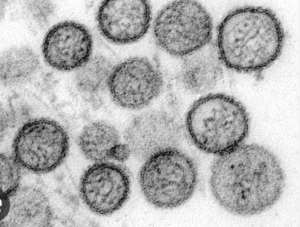
With the deadly outbreak aboard the MV Hondius cruise ship in the Atlantic dominating global headlines, many people are asking the same question: what exactly is Hantavirus? Here is a comprehensive guide to the disease and the unfolding emergency at sea that has put the world on alert.
The Outbreak That Shocked the World
Three people are dead and at least three others are sick after a suspected outbreak of Hantavirus aboard the MV Hondius, a Dutch-flagged passenger cruise ship operated by Oceanwide Expeditions, which is currently anchored in Praia, the capital of Cape Verde. The ship left Ushuaia in Argentina approximately seven weeks ago and made stops in Antarctica and the British overseas territory of Saint Helena before anchoring off the west coast of Africa. The vessel holds 170 passengers and 71 crew, including one doctor.
Two of the people who died were identified as a married couple a 70-year-old man declared dead on arrival in St. Helena, and a 69-year-old woman who collapsed at Johannesburg's international airport while attempting to fly to the Netherlands and died at a health facility.
The World Health Organization confirmed that one case had been laboratory-confirmed and at least five other passengers were suspected of being infected. One of the six is in intensive care in South Africa. "Detailed investigations are ongoing, including further laboratory testing and epidemiological investigations. Medical care and support are being provided to passengers and crew. Sequencing of the virus is also ongoing," the WHO said.
Cape Verdean authorities had not allowed passengers to disembark, but local health authorities visited the ship and assessed two symptomatic crew members requiring urgent medical care. It is not yet clear how the infections occurred. The Ministry of Health of Tierra del Fuego province, where Ushuaia is located, said there has never been a reported case of Hantavirus in the province, though the virus is endemic in other parts of Argentina and Chile.
What Is Hantavirus?
Hantavirus infection is a viral disease spread from rodents to people. The virus can cause severe infections of the lungs with cough and shortness of breath or the kidneys, with abdominal pain and sometimes kidney failure.
Hantaviruses are transmitted mainly through aerosols and droplets that contain rodent excretions, as well as through contaminated food, bites, and scratches. The virus lives in the urine and feces of infected rodents and becomes dangerous when inhaled by humans.
How Do You Catch It?
Each strain of Hantavirus has a preferred rodent carrier. The deer mouse is the most common carriers in North America and Central America, while rodent carriers in South America include the rice rat and the vesper mouse.
The most common way that Hantaviruses spread is through breathing in air that contains contaminated rodent saliva, urine, or droppings. (Facebook)
The critical reassurance for most people is this: scientists have not observed human-to-human transmission of the Hantaviruses that circulate in the United States. The Andes virus, found in South America, is the only Hantavirus known to show human-to-human transmission. This matters especially in the context of the cruise ship outbreak, where passengers are living in close quarters.
Symptoms: What to Watch For
Hantavirus is deceptive because its early symptoms closely mimic common illnesses.
Symptoms include fever, fatigue, chills, and muscle aches as primary symptoms, in addition to headache, dizziness, nausea, vomiting, abdominal pain, and sometimes diarrhea. Coughing and shortness of breath may appear in later stages.
Four to ten days after the initial phase of illness, the late symptoms appear coughing and shortness of breath, with patients experiencing tightness in the chest as the lungs fills with fluid.
Symptoms typically begin about two weeks but possibly as long as six weeks after exposure to rodent droppings or urine.
How Deadly Is It?
HPS is fatal in nearly 4 in 10 people who are infected. This grim statistic is reflected in the cruise ship outbreak, where three of six confirmed or suspected cases have already proved fatal.
When Hantaviruses reach the lungs, they invade tiny blood vessels called capillaries, eventually causing them to leak. The lungs fill with fluid pulmonary edema resulting in severe dysfunction of the lungs and heart.
Treatment
There is no specific treatment for Hantavirus infection. Patients receive supportive care, including rest, hydration, and treatment of symptoms.
For the pulmonary syndrome, oxygen and medications to stabilize blood pressure are most crucial to recovery. Sometimes a ventilator is needed, or in very severe cases, ECMO blood oxygenation machine treatment. The antiviral medication ribavirin, given intravenously, may help reduce the severity of symptoms and the risk of death.
Is There a Vaccine?
There is no vaccine for Hantavirus available in the United States. Prevention depends entirely on avoiding contact with rodents and their droppings keeping living spaces clean, sealing gaps in buildings, and wearing protective masks when cleaning potentially infested areas.
The MV Hondius outbreak is a stark reminder that Hantavirus, though rare, remains a deadly global health threat one capable of striking in the most unexpected of places, from remote wilderness cabins to the deck of an Atlantic cruise ship.
Mustapha Bature Sallama.
Medical/ Science Communicator,
Private Investigator, Criminal investigation and Intelligence Analysis.
International Conflict Management and Peace Building.USIP
[email protected]
+233-555-275-880

 Accra Is Sinking Yet Again — Time to Be Truthful With Ourselves
 Fire guts rubber factory at Circle Odawna as flooding hampers firefighting effor...
 Flooding strands commuters on Winneba Cape Coast Highway
 Three feared dead after electrocution in Alajo flooding incident
 Nine missing after floods hit Awutu Senya East
 'Your mother, I should go to heaven and ask Nebuchadnezzar to stop the rain?' — ...
 Flood victim found dead along Alajo Railway track as rescue operations continue
 GMet warns more rain as flooding disrupts movement across Greater Accra
 'You sit on social media and talk nkwasiasem' — Nigel Gaisie blasts critics over...
 Osahen Afenyo-Markin accuses NDC of using GoldBod to promote illegal mining
