




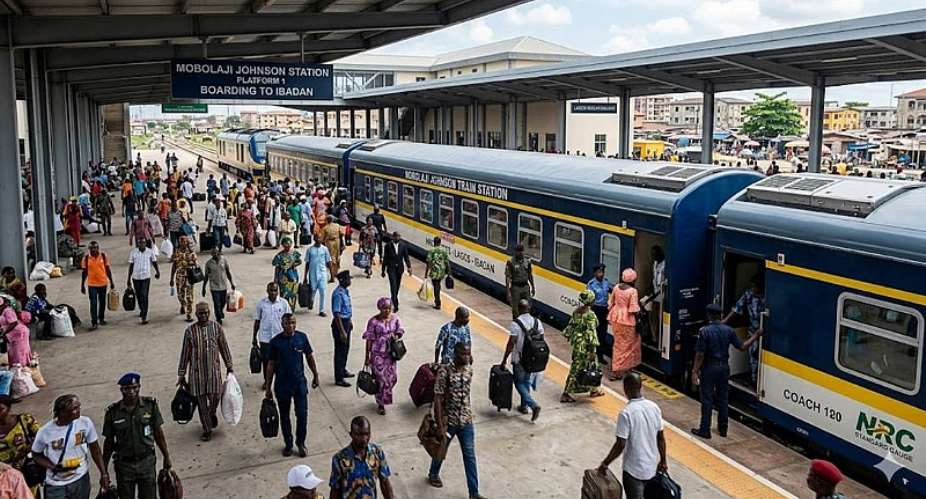
Since its inception in 1898 during the colonial era, the Nigerian Railway Corporation (NRC) has continued, as it were, to occupy a strategic position in the country’s economic and social development. Originally designed to facilitate the movement of raw materials from the hinterlands to the country’s seaports for export, the railway system served as the backbone of commerce, linking various regions and fostering interdependence among communities at that time. Over the decades, however, the story of the NRC became one of fluctuating fortunes, marked by periods of modest progress and long stretches of decline, neglect, and underutilization.
In its early years, the railway system played a vital role in shaping Nigeria’s economic geography. Routes connecting Lagos to Kano and Port Harcourt to Maiduguri linked up vast communities for the evacuation of agricultural products and for trade. Communities sprang up along rail corridors, and the movement of such goods as groundnuts, cocoa, cotton, and palm produce became more efficient and cost-effective. The railway was not merely a transportation system, it was an engine of national integration and economic vitality.
The post-independence era brought challenges that steadily eroded the effectiveness of the NRC. Poor maintenance culture, inadequate funding, corruption, policy inconsistency, and the rapid expansion of road transportation combined to push the railway into the background. By the 1980s and 1990s, the once vibrant rail network had become largely moribund, with dilapidated tracks, obsolete rolling stock, and unreliable services. Efforts at rehabilitation have been made in recent years, including the introduction of such standard gauge lines as the Abuja-Kaduna and Lagos-Ibadan routes, but these improvements have been uneven and insufficient to meet the country’s growing transportation needs.
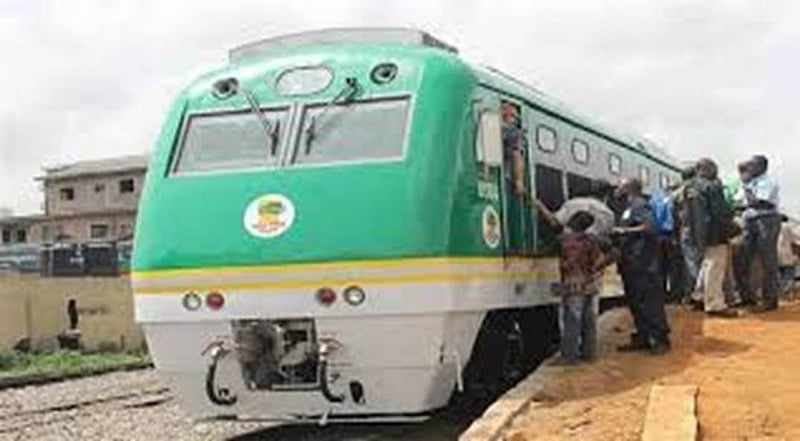
Southeast corridor still under reconstruction
One of the most glaring examples of this unevenness is the situation in the South East region. Despite its high population density, entrepreneurial vibrancy, and strong commercial networks, railway transportation in the South East has continued to remain underdeveloped and largely unpopular. The existing narrow gauge lines are in poor condition, and in many areas, rail services are either irregular or completely non-existent. This has forced traders, manufacturers, and commuters to rely almost exclusively on road transport, which is often more expensive, less safe, and subject to delays caused by poor road conditions and traffic congestion.
The neglect of the South East rail corridors is not only a regional issue but a national economic concern. The region is a hub of trade and manufacturing, with goods constantly moving to and from major markets across the country. An efficient rail system could significantly reduce the cost of transporting these goods, improve turnaround times, and enhance the competitiveness of businesses. The current situation represents a missed opportunity for both economic growth and national integration and it is high time the government reassessed its policy on this.
It is also important to emphasize that railway services are not solely for the movement of individuals from one location to another. Globally, rail systems serve as critical infrastructure for the transportation of goods, often providing a more efficient and environmentally friendly alternative to road haulage. In Nigeria, this aspect of rail service remains grossly underexplored. Traders and business people stand to benefit immensely from a reliable freight rail system that can move large volumes of goods across long distances at lower costs.
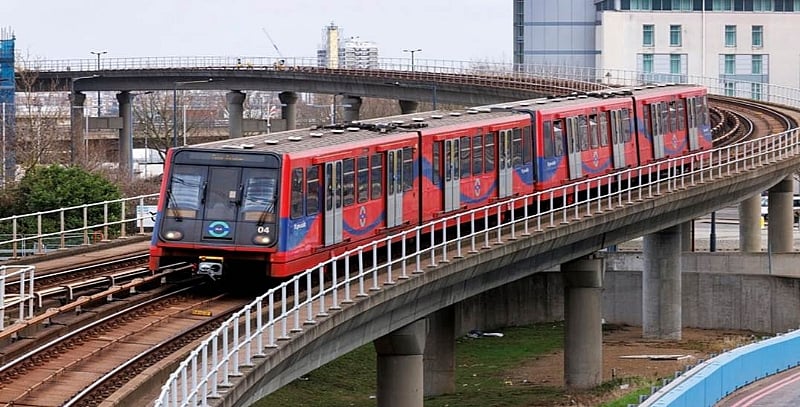
Light railway trains used in the UK
By prioritizing the development of freight services, the NRC can unlock new revenue streams that can be reinvested into the expansion and modernization of the rail network. Such bulk commodities as agricultural produce, solid minerals, petroleum products, and manufactured goods can be transported more efficiently by rail. This would not only reduce pressure on the road network but also lower the cost of doing business, stimulate industrial growth, and create employment opportunities.
There must be a deliberate shift in policy and strategy for government to achieve this. The government must recognize railway transportation as a critical component of national infrastructure and commit to its comprehensive development. This includes not only the rehabilitation of existing rail lines but also the construction of new ones to connect underserved regions, particularly in the South East. In this regard, there is much Nigeria can learn from the more advanced democracies where rail transport is an integral part of daily life. In countries like the United Kingdom, train services are available to virtually every community, providing reliable and efficient connectivity between cities, towns, and rural areas. This level of accessibility is supported by a well-coordinated network of mainline and light rail systems that cater for different transportation needs.
Nigeria should aspire to replicate this model by developing light railway train systems that operate within and between cities and towns, effectively linking state capitals and major commercial centres. Such systems would not only ease urban congestion but also promote regional development by improving access to markets, jobs, and services. Given the scale of investment required, the government may not be able to undertake this transformation alone. Strategic partnerships with countries that have proven expertise in railway development, such as the United Kingdom, Germany, and China, offer a viable pathway. These countries possess the technical know-how, financial capacity, and operational experience needed to build and manage modern rail systems.
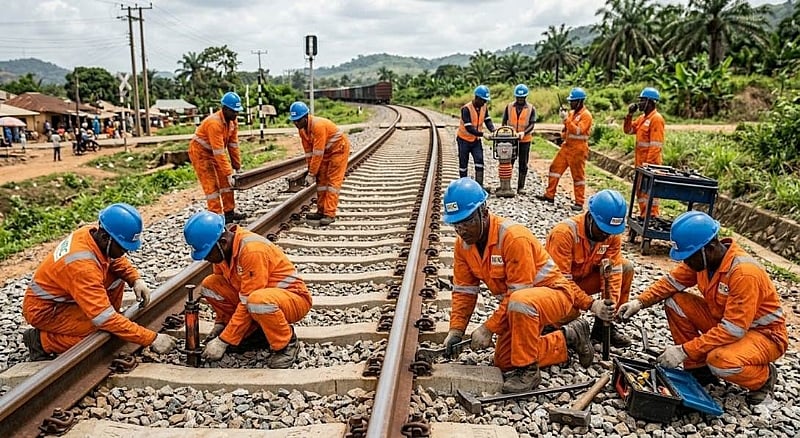
Nigerian rail workers
A well-structured partnership arrangement could involve these countries investing in the construction and management of railway infrastructure in Nigeria under long-term concession agreements, spanning 25 to 50 years. During this period, the partners would recover their investment and earn reasonable returns, while also paying taxes to the Nigerian government. Crucially, such agreements should include provisions for the training and capacity development of Nigerian youths, ensuring that local expertise is built over time. This approach offers multiple benefits. It reduces the immediate financial burden on the government, accelerates the development of rail infrastructure, and introduces global best practices in railway management in the country. At the same time, it creates opportunities for technology transfer and human capital development, laying the foundation for a sustainable and self-reliant railway system in the future.
The expansion of rail services can play a significant role in addressing one of Nigeria’s most pressing challenges: the high cost of transportation. By providing a cheaper and more efficient alternative to road transport, the NRC can help to lower the cost of goods and services, ease inflationary pressures, and improve the standard of living for millions of Nigerians currently living beyond their means. This is particularly important in a country where transportation costs have a direct impact on the prices of essential commodities.
Beyond the reduction of costs of goods, a revitalized railway system can contribute to the diversification of the Nigerian economy. By facilitating the movement of goods and people, it can stimulate growth in such sectors as agriculture, manufacturing, mining, and tourism. It can also attract investment by improving the ease of doing business and enhancing the overall competitiveness of the economy.
A study of the performance of the Nigerian Railway Corporation reflects both the promise and the pitfalls of infrastructure development in the country. While recent efforts at modernization are commendable, they fall short of what is required to transform the railway into a true national asset. The uneven performance of the NRC, particularly in regions like the South East, highlights the need for a more inclusive and strategic approach to rail transportation in the country.
And now, the time has come for Nigeria to fully explore and expand its train services, not just as a means of passenger transport but as a critical driver of economic growth and national development. By investing in infrastructure, embracing innovative partnerships, and prioritizing both passenger and freight services, the government can unlock the immense potential of the railway system. And this is not merely an option, it is a necessity that has been long overdue.

 Accra Is Sinking Yet Again — Time to Be Truthful With Ourselves
 Fire guts rubber factory at Circle Odawna as flooding hampers firefighting effor...
 Flooding strands commuters on Winneba Cape Coast Highway
 Three feared dead after electrocution in Alajo flooding incident
 Nine missing after floods hit Awutu Senya East
 'Your mother, I should go to heaven and ask Nebuchadnezzar to stop the rain?' — ...
 Flood victim found dead along Alajo Railway track as rescue operations continue
 GMet warns more rain as flooding disrupts movement across Greater Accra
 'You sit on social media and talk nkwasiasem' — Nigel Gaisie blasts critics over...
 Osahen Afenyo-Markin accuses NDC of using GoldBod to promote illegal mining
