




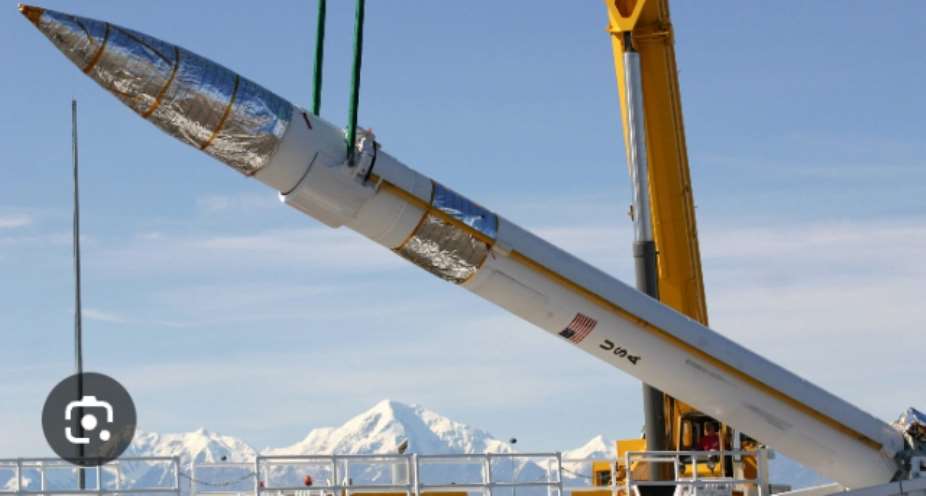
A Market Driven by Conflict
The Middle East has become one of the most dynamic and lucrative markets for missile interceptor systems. Ongoing conflicts particularly involving Iran, Israel, and Gulf states have transformed missile defense from a strategic necessity into a rapidly expanding defense industry segment.
Globally, the interceptor missile market was valued at about $12.3 billion in 2025 and is projected to reach over $22 billion by 2035, driven largely by geopolitical tensions and rising missile threats. The Middle East is a key contributor to this growth due to persistent regional instability.
Demand Surge: War as a Market Catalyst
Recent conflicts has exposed a critical imbalance: cheap offensive weapons vs. expensive defensive interceptors.
Gulf states eye cheap Ukrainian interceptor drone as Iranian attacks drain missile stocks
Israel Approves Plan to Boost Interceptor Production as Stocks Dwindle
Iran’s use of low-cost drones has forced countries like Saudi Arabia and the UAE to spend millions on interceptors such as Patriot missiles.
Israel and Gulf states are rapidly depleting interceptor stockpiles, revealing supply shortages and production bottlenecks.
Demand for cheaper countermeasures (like interceptor drones) is surging globally.
Key insight: Modern warfare is shifting toward cost-efficiency, forcing the interceptor industry to innovate or risk becoming economically unsustainable.
Key Business Players and Ecosystem
The interceptor market is dominated by major global defense contractors, including:
Lockheed Martin
RTX (Raytheon Technologies)
Northrop Grumman
Israel Aerospace Industries
BAE Systems
Thales Group
Regional Powerhouses
Israel: Leader in systems like Arrow and Iron Dome
Turkey: Expanding domestic production with projects like “Steel Dome”
UAE & Saudi Arabia: Major buyers and emerging investors
Turkey alone signed $6.5 billion in contracts to develop its own integrated air defense ecosystem, reflecting a broader trend toward defense self-sufficiency .
Business Model: High Cost, Long Cycles
Missile interceptor systems are characterized by:
High Unit Costs
Advanced interceptors (e.g., Patriot) can cost millions per missile
New entrants aim to reduce this to under $1 million or even a few thousand dollars (in the case of drone interceptors)
Long Production Cycles
Complex supply chains and scarce materials limit output
Production cannot easily scale during crises
Government-Driven Demand
Customers are almost exclusively governments
Sales occur via long-term defense contracts and foreign military agreements
Shift Toward Low-Cost Interception
A major disruption is underway: cheap drones are reshaping the economics of defense.
Traditional Model
Expensive interceptors vs. limited threats
New Reality
Swarms of low-cost drones overwhelm defenses
Interceptors must become:
cheaper
faster to produce
scalable
Example:
A new interceptor drone costs about $2,500, compared to millions for traditional missiles
This is creating a new sub-industry: counter-drone interception, attracting startups and smaller defense firms globally.
Investment and Financing Trends
The sector is attracting significant capital:
Defense startups and suppliers are pursuing IPO listings and private equity funding
Middle Eastern sovereign wealth funds are investing in defense technology partnerships
Cross-border collaborations (e.g., Ukraine–UAE partnerships) are increasing
This signals a shift from purely government-driven procurement to a hybrid public-private defense ecosystem.
Strategic Trends in the Middle East
Localization of Production
Countries want domestic manufacturing to:
reduce reliance on Western suppliers
ensure supply during conflict
Multi-Layered Defense Systems
Modern systems combine:
short-range interceptors
midcourse interceptors
long-range exo-atmospheric systems
Integration with AI and Sensors
AI-guided targeting
satellite tracking
networked command systems
These technologies are becoming core competitive differentiators.
Challenges Facing the Industry
Cost imbalance (cheap offense vs. expensive defense)
Supply shortages during active conflict
Technological complexity
Export restrictions and geopolitics
Dependence on foreign technology in some Middle Eastern countries
Future Outlook
The Middle East interceptor market is expected to:
Grow rapidly alongside global defense spending
Shift toward affordable, scalable interception systems
See increased regional manufacturing and innovation
Attract new entrants (startups + tech firms)
Most importantly, the industry is moving from:
“few expensive interceptors” → “many cheap, networked defenses”
Conclusion
is no longer just about military superiority it is about economic sustainability, industrial capacity, and technological adaptation.
As warfare evolves, the winners in this market will not necessarily be those with the most advanced missiles, but those who can deliver effective interception at scale and at the right cost.
Mustapha Bature Sallama.
Medical/ Science Communicator,
Private Investigator, Criminal investigation and Intelligence Analysis.
International Conflict Management and Peace Building.USIP
[email protected]
+233-555-275-880


 Bechem poultry factory 50% complete, to be ready in March 2027 – Kwakye Ofosu
 Can’t Ghana find non-partisan people for EC positions? – Kwesi Pratt on Affi Agb...
 Emelia Agbenyo’s alleged NDC ties will not affect EC work – Apanga
 Balancing the scale will dilute extreme partisanship – Hamza on new Deputy EC Ch...
 October 13: Cedi sells at GHS12.30 on forex market, GHS11.78 on BoG interbank
 ECOWAS begins implementation of 2026–2031 communication strategy
 IMF upgrades 2026 global growth forecast but war and debt threaten outlook
 Ghana needs comprehensive surrogacy law to address complex legal disputes — Afri...
 Value For Money: Govt to audit rural telephony project inherited from previous a...


