




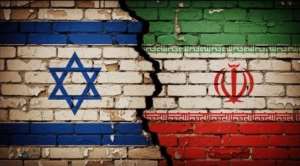
The 2026 conflict between the United States, Israel, and Iran has been shaped not only by military strategy but also by rhetoric infused with religious imagery and moral language. Statements from some U.S. officials, military figures, and Israeli leaders show how political messaging surrounding the war has sometimes drawn on concepts such as divine purpose, biblical prophecy, and moral struggle. This use of religious language has sparked debate among analysts, religious groups, and civil-rights organizations about the risks of framing geopolitical conflicts in theological terms.
Religious Language in U.S. Military and Political Discourse
Reports from U.S. service members suggest that some military briefings about the war have included explicitly religious framing. Complaints submitted to the Military Religious Freedom Foundation allege that commanders linked the conflict with Iran to biblical prophecy and the “end times.”
One officer reported that troops were told the conflict was connected to a divine plan:
“All part of God’s divine plan,” referencing the Book of Revelation and Armageddon.
The same complaint claimed that commanders said the war could help trigger biblical end-times events. According to the report, a commander told personnel that the U.S. president had been “anointed by Jesus to light the signal fire in Iran to cause Armageddon.”
Although these remarks came from within military briefings rather than official policy statements, the allegations fueled controversy and raised questions about religion in the U.S. armed forces. News reports note that critics worry such rhetoric could blur the line between national security policy and religious ideology.
Some senior U.S. officials have also used religiously charged descriptions of Iran’s leadership. For example, U.S. Secretary of State Marco Rubio described Iran’s government as “religious fanatic lunatics.”
While not explicitly theological, such language frames the conflict partly in religious or ideological terms rather than purely strategic ones.
Israeli Leaders and Moral–Religious Framing
Israeli leaders have similarly used moral language that often carries religious or biblical undertones. Israeli Prime Minister Benjamin Netanyahu frequently describes the confrontation with Iran as a struggle against a morally corrupt regime.
In a statement addressing Israeli military actions, Netanyahu declared:
“For 47 years, the evil regime in Iran has called for death to Israel, death to America.”
In another message directed to Iranians, he called on them to oppose their government, saying:
“Stand up for your freedom from the evil and oppressive regime.”
This kind of rhetoric portrays the conflict as a moral struggle between good and evil. Although the language is political, it resonates with religious narratives common in Israeli and American discourse about the Middle East.
Religion, Politics, and War Narratives
Scholars note that religious language often emerges in conflicts involving the Middle East because of the region’s historical and symbolic importance in Judaism, Christianity, and Islam. When political leaders invoke divine plans, prophecy, or moral absolutes, they can mobilize supporters by framing war as part of a larger spiritual or civilization struggle.
However, critics argue that such framing can intensify polarization and make diplomatic compromise more difficult. If a conflict is interpreted as part of a cosmic struggle between good and evil or even the fulfillment of prophecy negotiated solutions may appear less acceptable to supporters on either side.
Conclusion
The ongoing war involving the United States, Israel, and Iran illustrates how religious language can intersect with modern geopolitical conflict. From references to “God’s divine plan” in military briefings to descriptions of Iran as an “evil regime,” political rhetoric surrounding the war sometimes draws on religious symbolism and moral narratives.
While such language can rally domestic support and emphasize ideological stakes, it also raises concerns about the consequences of framing international conflicts in religious terms. As the conflict continues, analysts warn that rhetoric rooted in prophecy, divine mission, or moral absolutism may further complicate efforts to reduce tensions and pursue diplomatic solutions.
Mustapha Bature Sallama.
Medical/ Science Communicator,
Private Investigator, Criminal investigation and Intelligence Analysis.
International Conflict Management and Peace Building.USIP
[email protected]
+233-555-275-880

 Appointment of Emelia Agbenyo as EC deputy chair was well calculated, reasoned –...
 Relief for students as GAUA and TUSAAG call off strike; declare return to work o...
 Who gave Cabinet authority to decide for Ghanaians to join BRICS without parliam...
 Mahama urges Ghanaian businesses to tap CSIR innovations
 Partisan EC appointments could set dangerous precedent — NPP's Kamaldeen
 Winneba: Afenyo-Markin commissions police apartments at Fetteh-Osakam
 Council of State failed Mahama over Emelia Agbenyo’s EC appointment – Prof. Asa...
 CDD‑Ghana: EC Deputy Chair Should Step Down Now
 Family Announces October 23 Memorial Mass for Nana Konadu Agyeman-Rawlings
 Eduwatch Urges Nationwide Audit of Sexual Misconduct in Secondary Schools


