




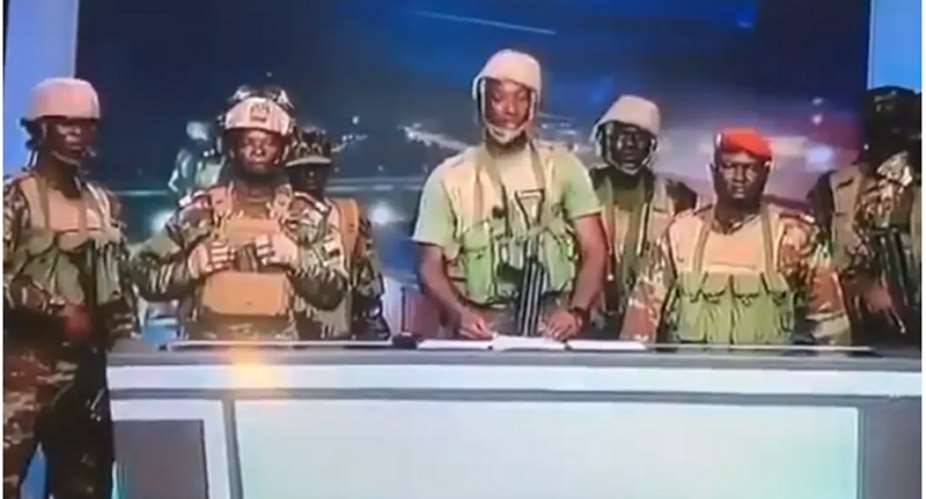
Benin has long been regarded as one of West Africa’s more stable democracies, particularly since its landmark 1990 National Conference, which ushered in multiparty politics and peaceful transfers of power. Yet, like many nations in the region, it continues to face periodic concerns about the possibility of military interference in politics. While Benin has not recently experienced a successful coup d’état, the growing instability in neighboring countries and internal political tensions have generated fresh discussions about the resilience of its democratic system. Understanding these threats is essential to protecting the democratic gains Benin has made over the past three decades.
Historical Context
Benin’s history includes several coups, especially between the 1960s and 1970s. The most consequential was the 1972 takeover by Major Mathieu Kérékou, who ruled for nearly two decades under a Marxist-Leninist regime. The peaceful transition to democratic governance in 1990 marked a turning point, and since then Benin has largely avoided military involvement in politics.
However, the legacy of past coups still shapes political culture. The military’s role, tensions during elections, and shifting political alliances occasionally revive fears of democratic backsliding.
Contemporary Sources of Coup Risk
Regional Instability
West Africa has seen a wave of coups in Mali, Burkina Faso, Niger, and Guinea in recent years. This pattern creates regional contagion effects, where military actors in one country may feel emboldened by the success of coups elsewhere. Benin, sharing borders with some of these states, is particularly sensitive to such spillover influences.
Internal Political Polarization
Reforms in Benin’s electoral laws and restrictions on political competition in recent years have deepened domestic tensions. Critics argue that shrinking political space and disputes over election results could create conditions where military actors justify intervention as a means to “restore order.”
Security Challenges
Benin’s northern regions have experienced increasing threats from violent extremist groups operating near the borders with Burkina Faso and Niger. In many West African contexts, deteriorating security has been used as a pretext for military takeovers. Although the Beninese military remains formally professional and under civilian control, expanding security pressures could increase its political influence.
Economic Strains
Economic inequality, unemployment, and perceptions of corruption can weaken citizen trust in democratic institutions. When public confidence erodes, coups can gain tacit support or at least indifference from segments of the population.
Consequences for Democracy
A coup in Benin, even an attempted one, would have significant consequences:
Erosion of the rule of law: Military intervention would undermine constitutional governance and weaken institutions that have developed over decades.
Civil liberties at risk: Freedoms of speech, assembly, and political participation often diminish under military regimes.
Economic repercussions: Investors typically withdraw, and international partners may impose sanctions, slowing development.
Regional instability: Benin’s stability is important for West African trade and security cooperation. A coup could disrupt regional integration efforts.
Safeguarding Democracy
To prevent coup-related threats, several strategies are essential:
Strengthening Institutions
Independent courts, transparent electoral bodies, and empowered legislatures reduce the likelihood that grievances escalate to military involvement.
Ensuring Political Inclusion
Maintaining open political space and dialogue among parties helps reduce polarization that might otherwise invite military arbitration.
Professionalizing the Military
Continued emphasis on civilian oversight, training, and nonpartisan military culture is key to preventing politicization of the armed forces.
Improving Socioeconomic Conditions
Addressing unemployment, regional inequalities, and corruption helps bolster public trust in democratic institutions.
Enhancing Border and Internal Security
A capable security apparatus, operating within democratic norms, helps prevent crises that could serve as justification for intervention.
Conclusion
While Benin has not recently experienced a coup d’état, the combination of regional upheaval, internal political tensions, and socioeconomic challenges represent potential threats to its democratic stability. Safeguarding democracy requires active resilience strengthening institutions, protecting political freedoms, and ensuring the military remains firmly under civilian control. Benin’s historical commitment to democratic governance provides a strong foundation, but continued vigilance is essential to preserve and advance its democratic achievements.
Mustapha Bature Sallama
Medical Science communicator.
Private Investigator and Criminal
Investigation and Intelligence Analysis,
International Conflict Management and Peace Building. Alumni Gandhi Global Academy United States Institute of Peace.
[email protected]
+233-555-275-880

 Iran says closed Strait of Hormuz as US deal hits obstacle ahead of Swiss talks
 World Cup 2026: Brobbey, Gakpo score braces as rampant Netherlands crush Sweden
 'What power do you have to collapse NPP you did not build?' – Awal Mohammed jabs...
 Chaos at Central University as vendors demand refunds after SRC Week cancellatio...
 GMet issues severe weather alert for Northern Ghana as heavy rainstorm approache...
 Ken Ofori-Atta is the first Ghanaian minister to use sickness to flee from accou...
 Family demands justice for 14-year-old girl allegedly raped, killed in Binaba
 Trump cuts HIV funding to South Africa
 88 dilapidated buildings marked for demolition in Sekondi-Takoradi
 Police crack suspected robbery network in Ashanti South, two suspects killed in ...


