




The Beauty and Importance of Hearing
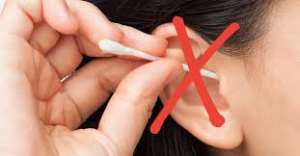
If your ears could talk, they’d probably say, “Please, no cotton buds today!”
Our ears are remarkable — tiny organs that not only capture sound but also help us balance, navigate, and connect emotionally. They are gateways to laughter, music, and conversation. Yet, we often neglect them until something goes wrong.
The World Health Organization (WHO, 2024) reports that over 1.5 billion people globally live with some form of hearing loss — and about 60 percent of these cases are preventable. That means hearing loss is not inevitable; it’s often the result of poor habits we can avoid.
The Cotton Bud Myth: When Clean Isn’t Healthy
Few habits are as widespread — or as dangerous — as inserting cotton buds, feathers, matchsticks, or pen covers into the ear. Many people believe they are “cleaning out dirt,” but earwax (or cerumen) isn’t dirt at all. It’s your ear’s natural defence system. It traps dust and bacteria, keeping the ear canal healthy and lubricated.
When you insert anything into your ear, you are actually pushing wax deeper, potentially damaging the delicate eardrum or causing infection. A 2022 study in the Journal of Otolaryngology revealed that roughly a quarter of ear injuries seen in ENT clinics are due to self-inflicted trauma from foreign objects.
Ear doctors often joke: “The only thing safe to put in your ear is your elbow.” It’s a funny reminder that nothing — absolutely nothing — should go inside your ear canal.
Noise: The Invisible Threat
Today’s world is noisier than ever. From blaring horns to booming concerts and cranked-up headphones, our ears endure constant assault. The World Health Organization (WHO) and US Centers for Disease Control and Prevention (CDC) warn that more than 1 billion teenagers and young adults are at risk of hearing damage from unsafe listening practices, primarily from using personal audio devices such as headphones and earbuds at high volumes or prolonged exposure to loud entertainment venues
Sound levels above 85 decibels — about the volume of city traffic — can harm hearing if exposure is prolonged. The safe rule is simple: keep your headphone volume below 60%, take listening breaks every hour, and avoid sleeping with earbuds in.
If you often find yourself in loud environments — concerts, clubs, or construction sites — wear ear protection. Earplugs may not look fashionable, but neither do hearing aids in your twenties.
Think of your ears as musical instruments. You wouldn’t overplay a violin until its strings snap, so don’t overwork your ears either.
Ear Care for All Ages
Healthy ear care starts from the cradle and continues for life. Babies should undergo new-born hearing screening to detect congenital hearing loss early. Parents should avoid exposing infants to loud toys or shouting environments.
For children and teenagers, education about safe listening and proper hygiene is vital. Adults should resist the temptation to self-clean or ignore persistent itching, pain or discharge. Seniors, on the other hand, should schedule regular hearing checks. Gradual hearing loss, known as presbycusis, is common with age but manageable through early detection and intervention.
In short, everyone, regardless of age, has a role in protecting their hearing.
Simple Habits, Lifelong Benefits
Keeping your ears healthy isn’t complicated. Dry your ears gently after swimming or bathing to prevent moisture build-up. Manage allergies and colds, since nasal congestion can affect ear pressure. Avoid loud environments where possible, and never insert objects, even “just a little.”
Be mindful of medications. Some drugs, known as ototoxic agents, can damage hearing when used improperly. Always discuss potential side effects with your healthcare provider.
And above all, listen to your body. If you notice ringing (tinnitus), dizziness, muffled sounds or sudden changes in hearing, seek medical help immediately.
When Hearing Loss Happens
Hearing loss is not a full stop; it as a comma in life’s sentence. Advances in technology, from digital hearing aids to cochlear implants, have transformed how millions of people reconnect with sound. But the key to success is early diagnosis. The longer hearing loss goes untreated, the harder it becomes to adapt to amplification.
There is no shame in wearing a hearing aid; it is simply a smart way to stay connected to the world around you.
A Gentle Reminder: Treat Your Ears Like Royalty
Your ears work around the clock — even while you sleep. They deserve the same care you give your teeth, eyes or heart. Clean them only externally, protect them from noise and love them enough not to poke them.
Next time you are tempted to “dig” your ears or turn up the music, pause for a moment. Remember: silence is only golden when it’s chosen, not when it’s imposed by damage.
So, protect your hearing, cherish the sounds you love, and let your ears enjoy the applause they truly deserve.
By James Attah Ansah
Website: https://jaansahpublications.com
By James Attah Ansah


 How IGP Yohuno led Police team to rescue victim, arrest four kidnappers in Assin...
 Akufo-Addo would have used Accra-Kumasi expressway for galamsey – Mahdi Gibrill
 Nigeria's Dangote refinery launches continent's biggest IPO
 Accra-Kumasi Expressway to cut travel time to 2hours, drive 120km per hour — Mah...
 'Our own money $2billion ready, we have not gone to borrow money from anywhere' ...
 Founder’s Day September 21 declared public holiday
 Council of State was not qualified to determine prima facie case against Torkorn...
 'Grounds for removal of Chief Justice and justice of superior court shallow, eph...
 Don't be a Bar that flips on principles but a Bar that is consistent — AG tells ...
 Prostate cancer may show no symptoms until advanced stage – Urologist warns


