




BACKGROUND
The concept of a 24-hour economy has gained significant global attention as nations seek innovative ways to enhance productivity, maximize resource utilization, and create more employment opportunities. Traditionally, economic activities have been structured around daytime operations, with most businesses and services ceasing operations in the evening. However, technological advancements, globalization, and urbanization have necessitated a shift towards continuous economic activity, especially in major cities worldwide (Graham & Marvin, 2001). Countries like the United States, China, and the United Kingdom have successfully implemented 24-hour economic models, significantly boosting their GDP, trade, and employment rates (World Bank, 2022).
A 24-hour economy is an economic system where business operations, services, and productive activities continue around the clock, unhindered by traditional time constraints. This economic model is widely implemented in developed nations such as the United States, the United Kingdom, and China, where sectors such as retail, transport, healthcare, and finance operate continuously to boost economic activity and efficiency (Graham & Marvin, 2001). Given Ghana’s growing urban population and increasing digital connectivity, transitioning to a 24-hour economy presents significant opportunities and challenges.
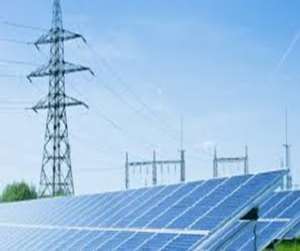
A reliable and sustainable energy supply is critical for the successful implementation of a 24-hour economy in Ghana. Energy is the backbone of industrialization, commerce, and digital transformation, all of which require uninterrupted power to function efficiently. However, Ghana has faced persistent challenges in achieving stable energy supply due to factors such as inadequate infrastructure, over-reliance on hydroelectric power, and financial constraints in the energy sector (World Bank, 2023).
According to the Energy Commission of Ghana (2023), the country’s energy demand grows at an annual rate of 10%, driven by industrial expansion, urbanization, and digitalization. The shift to a 24-hour economy will further accelerate this demand, necessitating significant investments in renewable energy, smart grids, and energy efficiency measures. “Sustainable energy solutions are essential to economic growth, job creation, and global competitiveness” (International Energy Agency, 2023). This article examines the current state of Ghana’s energy sector, the challenges of ensuring stable power for a 24-hour economy, and policy recommendations for a sustainable energy future.
THE ROLE OF ENERGY IN A 24-HOUR ECONOMY
A 24-hour economy requires an uninterrupted electricity supply for businesses, industries, transportation, and essential services. The key roles of energy in such an economy include:
- Industrial Growth and Manufacturing – Reliable power is essential for factories to operate continuously, increasing productivity and economic output (Energy Commission of Ghana, 2023).
- Digital and Financial Services – The expansion of mobile money, online banking, and e-commerce depends on stable electricity and internet infrastructure.
- Transportation and Logistics – Electric vehicle (EV) adoption and smart transportation systems require sustainable energy sources to function efficiently.
- Healthcare and Emergency Services – Hospitals, pharmacies, and emergency response units must have 24-hour electricity to provide uninterrupted services.
CHALLENGES IN ENERGY SUPPLY FOR A 24-HOUR ECONOMY
Despite Ghana’s progress in the energy sector, several challenges threaten the sustainability of a 24-hour economy:
1. Over-reliance on Hydropower and Fossil Fuels: Currently, Ghana’s energy mix is dominated by hydroelectric power (Bui, Akosombo) and thermal plants powered by natural gas. Climate change-induced variability in rainfall affects hydro generation, leading to power shortages (Energy Commission of Ghana, 2023).
2. High Cost of Energy Production and Distribution: The cost of producing and distributing electricity remains high due to inefficiencies in transmission and distribution networks. The Electricity Company of Ghana (ECG) reported a 23% transmission loss in 2023, impacting affordability and accessibility (ECG, 2023).
3. Infrastructure Deficiency and Power Outages: Frequent power outages (dumsor) have historically affected businesses, reducing economic productivity. A report by the African Development Bank (AfDB, 2023) indicates that Ghana loses approximately $2.1 billion annually due to unreliable electricity supply.
4. Limited Renewable Energy Integration: Despite Ghana’s commitment to renewable energy, the share of solar, wind, and biomass remains below 5% of the total energy mix (International Renewable Energy Agency, 2023). This low penetration hinders sustainability and long-term energy security.
5. Energy Policy and Regulatory Challenges: Inconsistent policies and regulatory bottlenecks slow the adoption of independent power production and investment in clean energy solutions (Ministry of Energy, Ghana, 2023).
STRATEGIES FOR SUSTAINABLE ENERGY SUPPLY:
To support a 24-hour economy, Ghana must implement comprehensive energy policies that enhance reliability, affordability, and sustainability.
- Diversification of Energy Sources – Increasing the share of renewable energy (solar, wind, and bioenergy) will reduce dependence on hydro and thermal power. Expanding investments in nuclear energy could also provide a stable power supply (International Renewable Energy Agency, 2023).
- Investment in Smart Grids and Storage Solutions – Implementing smart grids and battery storage technologies will enhance energy efficiency and reduce power fluctuations (World Bank, 2023).
- Public-Private Partnerships (PPPs) in Energy Infrastructure – Encouraging private investment in power generation and distribution will improve service delivery and reduce financial burdens on the government.
- Energy Efficiency Programs – Promoting energy conservation through industrial best practices, LED lighting, and efficient appliances will reduce overall demand (United Nations Development Programme, 2023).
- Policy and Regulatory Reforms – Strengthening policies that promote independent power producers (IPPs) and renewable energy investment will accelerate energy security and sustainability (Ministry of Energy, Ghana, 2023).
POLICY RECOMMENDATIONS FOR ENERGY SUPPLY AND SUSTAINABILITY IN GHANA’S 24-HOUR ECONOMY
To support the successful transition to a 24-hour economy, Ghana must adopt comprehensive energy policies that ensure reliability, affordability, and sustainability. The following policy recommendations are crucial:
1. Diversification of Energy Sources
- Reduce dependence on hydro and thermal energy by increasing the share of renewable energy (solar, wind, and bioenergy) to at least 20% of the energy mix by 2030 (International Renewable Energy Agency, 2023).
- Invest in nuclear energy as a long-term solution to ensure stable power generation (Ministry of Energy, Ghana, 2023).
2. Strengthening Energy Infrastructure
- Upgrade and expand transmission and distribution networks to reduce energy losses, currently estimated at 23% (Electricity Company of Ghana, 2023).
- Deploy smart grids and energy storage systems to stabilize power supply and improve efficiency (World Bank, 2023).
- Modernize existing power plants and encourage the adoption of energy-efficient technologies in industrial and commercial sectors.
3. Enhancing Public-Private Partnerships (PPPs)
- Encourage private sector participation in power generation and distribution through independent power producers (IPPs).
- Provide tax incentives and low-interest financing for companies investing in renewable energy projects.
- Create an enabling regulatory environment to attract foreign investment in the energy sector (Ministry of Energy, Ghana, 2023).
4. Promoting Energy Efficiency and Conservation
- Implement national energy efficiency programs, including public awareness campaigns on energy conservation.
- Enforce energy efficiency standards in buildings, appliances, and industrial equipment (United Nations Development Programme, 2023).
- Promote the adoption of LED lighting, smart metering, and efficient cooling systems in businesses and households.
5. Strengthening Policy and Regulatory Frameworks
- Develop a clear roadmap for Ghana’s transition to a 24-hour economy with integrated energy strategies.
- Strengthen regulations to streamline licensing and operational processes for renewable energy projects.
- Establish an independent energy regulatory body to ensure transparency, competition, and accountability in the sector.
6. Expanding Access to Rural and Underserved Areas
- Increase rural electrification projects to ensure nationwide access to power, enabling businesses in all regions to operate beyond regular hours (Energy Commission of Ghana, 2023).
- Deploy decentralized energy solutions, such as mini-grids and off-grid solar systems, to power remote areas.
7. Climate Resilience and Sustainable Development
- Incorporate climate adaptation strategies into energy policies to mitigate the impact of climate change on hydropower generation.
- Encourage businesses to adopt clean energy solutions to reduce carbon emissions and contribute to global sustainability goals (International Energy Agency, 2023).
- Invest in research and innovation to develop indigenous, cost-effective renewable energy technologies.
CONCLUSION
Energy supply and sustainability are fundamental to Ghana’s transition to a 24-hour economy. While the country has made progress in power generation and distribution, challenges such as infrastructure gaps, policy constraints, politics, energy theft, energy leakages, and high operational costs must be addressed. A robust and sustainable energy sector is essential for ensuring uninterrupted business operations, boosting industrial productivity, and enhancing economic competitiveness. Investing in renewable energy, smart grids, and energy-efficient technologies will not only enhance energy security but also drive long-term economic growth. Strategic partnerships between the government and private sector, along with well-structured regulatory frameworks, will further strengthen Ghana’s energy landscape. By implementing the recommended policies—diversifying energy sources, strengthening infrastructure, promoting public-private partnerships, enhancing energy efficiency, and expanding rural access—Ghana can build a resilient and sustainable energy sector that fully supports a thriving 24-hour economy. A stable, competitive, and energy-secure environment will ultimately foster industrial expansion, job creation, and economic transformation, positioning Ghana as a leader in Africa’s evolving economic landscape.
REFERENCES
African Development Bank (AfDB). (2023). Energy Sector Review: Economic Impacts of Power Outages in Africa. AfDB Publications.
Electricity Company of Ghana (ECG). (2023). Annual Energy Report. Accra, Ghana.
Electricity Company of Ghana. (2023). Annual Report on Power Distribution and Energy Losses. Electricity Company of Ghana.
Energy Commission of Ghana. (2023). National Energy Statistics 2023. Retrieved from www.energycom.gov.gh
Energy Commission of Ghana. (2023). National Energy Statistics and Policy Frameworks. Accra, Ghana.
Graham, S., & Marvin, S. (2001). Splintering urbanism: Networked infrastructures, technological mobilities and the urban condition. Routledge.
International Energy Agency (IEA). (2023). The Future of Energy: Transitioning to Sustainable Power. Paris, France.
International Energy Agency. (2023). Africa Energy Outlook 2023: Sustainable Energy Transitions. Retrieved from www.iea.org
International Renewable Energy Agency (IRENA). (2023). Renewable Energy and Economic Growth in Emerging Markets. Abu Dhabi, UAE.
International Renewable Energy Agency. (2023). Renewable Energy Prospects for Africa 2023. Retrieved from www.irena.org
Ministry of Energy, Ghana. (2023). Ghana Energy Policy and Strategy Document. Accra, Ghana.
Ministry of Energy, Ghana. (2023). Ghana’s Energy Transition Framework: Policies for Sustainable Growth. Retrieved from www.energymin.gov.gh
United Nations Development Programme (UNDP). (2023). Energy Efficiency and Sustainability Initiatives in Africa. UNDP Reports.
United Nations Development Programme. (2023). Energy Efficiency and Sustainable Development in Africa: Policy Recommendations. UNDP Publications.
World Bank. (2022). Global Economic Prospects: Growth in Emerging Markets. World Bank Group.
World Bank. (2023). Power Sector Reforms and Energy Sustainability in Africa. Retrieved from www.worldbank.org
World Bank. (2023). Powering Africa: Sustainable Energy Solutions for Economic Growth. Washington, D.C.
World Economic Forum (WEF). (2022). The global competitiveness report: Economic resilience in emerging economies. World Economic Forum.


 NACOC Boss reveals how 'smart' suspected drug traffickers are diverting proceeds...
 Minerals Commission defends termination of Northern Ashanti Mines lease over US$...
 Northern Ashanti Mines says moves to reassign disputed concession began before l...
 'Was I facing union problems everyday when I was in charge, compare and contrast...
 Ablakwa will be prosecuted in 2029 under Bawumia – Kwadwo Poku warns
 Ghana deports South Korean man wanted over $3.6bn cocaine haul
 Minority threatens vote of censure on Ablakwa if fails to resign over South Afri...
 Ghana targets 70% local fuel supply by 2028 — MD
 UEW students express shock as SRC spending reveals over GH¢574,000 blown on camp...
 Judicial independence does not shield judges from scrutiny, accountability — Jus...



Comments
How can a claimed PhD be so dumb.Dont be so proud, just sounds good on paper. See I have worked at a factory that works 24 hrs during Christmas season...it goes to show that we can't have 24hr economy without demand. Only some with mental health issues like john mahama will dream up shi like this. DEMAND DEMAND DEMAND!!!