




In recent times, Burkina Faso's military leadership has taken bold steps to nationalize its mineral resources, expelling foreign influence and asserting control over its natural wealth. This decisive action has sparked a conversation about the potential benefits of such a move for other African nations. Ghana, under the leadership of President John Dramani Mahama, stands at a critical juncture. The socio-economic infrastructure has been severely impacted by the previous administration, and it is time for a transformative approach to reclaim Ghana's economic sovereignty.
The Case for Nationalization
Nationalizing Ghana's mineral and natural resources is a strategic move that can lead to significant economic benefits. By taking control of these resources, Ghana can ensure that the wealth generated from its natural assets is used to benefit its citizens, rather than being siphoned off by foreign entities. This approach aligns with internationally acclaimed and accepted economic practices that prioritize national interests and sustainable development.
As the Ghanaian proverb goes, "If you climb the good tree, you are given a push." Taking bold and wise actions will attract support and lead to success.
The State of the Economy
The current state of Ghana's economy has been challenging, with significant issues such as rising inflation, high unemployment rates, and a weakening currency. The previous administration's policies and mismanagement have left the economy in a fragile state, necessitating urgent and effective measures to restore stability and growth.
History of Mineral Wealth Management in Ghana
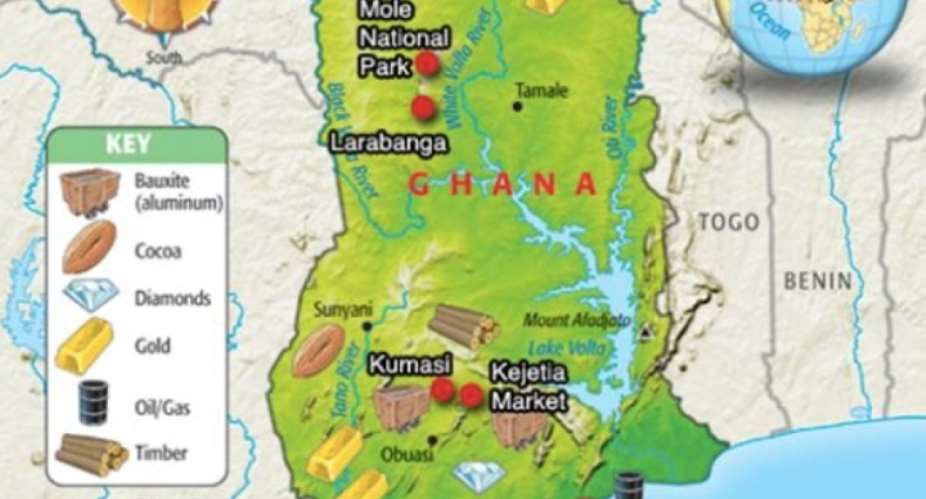
Ghana, known as the "Gold Coast" during colonial times, has a rich history of mineral wealth. Gold, cocoa, and oil have been the mainstays of the economy. However, the management of these resources has been marred by challenges such as corruption, poor regulation, and exploitation by foreign companies. Despite significant revenue generation, the benefits have not been equitably distributed, leading to persistent poverty and underdevelopment in mining communities. The mismanagement of Ghana's mineral and natural resources for meager royalties has deprived the nation of the full potential benefits that could be derived from its wealth.
Recommendations for President John Dramani Mahama
1. Establish a National Resource Management Authority: Create a dedicated authority to oversee the management and utilization of Ghana's mineral resources. This body should be responsible for ensuring transparency, accountability, and efficiency in the sector.
2. Adopt Best Practices: Emulate successful models from countries that have effectively nationalized their resources. For instance, Norway's management of its oil wealth through the Government Pension Fund Global is a prime example of how to leverage natural resources for long-term national benefit.
3. Strengthen Legal Frameworks: Implement robust legal frameworks to protect national interests and prevent exploitation. This includes revising existing mining laws and regulations to ensure they align with the goals of nationalization.
4. Invest in Local Capacity Building: Develop local expertise and capacity in the mining sector. This involves investing in education and training programs to equip Ghanaians with the skills needed to manage and operate the industry.
5. Promote Sustainable Practices: Ensure that the extraction and utilization of mineral resources are conducted in an environmentally sustainable manner. This includes adopting green technologies and practices that minimize environmental impact.
6. Enhance Revenue Management: Implement effective revenue management systems to ensure that the proceeds from mineral resources are used to fund critical development projects, such as infrastructure, healthcare, and education.
7. Engage Stakeholders: Foster collaboration with key stakeholders, including local communities, civil society organizations, and international partners. Their input and support are crucial for the successful implementation of nationalization policies.
As the Bible says in Proverbs 21:5, "The plans of the diligent lead surely to abundance, but everyone who is hasty comes only to poverty." Thoughtful planning and diligent execution are essential for achieving prosperity.
Dedication to Ghanaians
This article is dedicated to the resilient Ghanaians who have fought for change and liberation from the tyranny of the previous administration. Your unwavering commitment to justice and progress is the driving force behind this call for economic sovereignty.
In conclusion, nationalizing Ghana's mineral wealth is not just a strategic move; it is a necessary step towards achieving true economic freedom. With the support of his formidable ministers and security services, President John Dramani Mahama has the opportunity to lead Ghana towards a brighter, more prosperous future. By adopting internationally acclaimed economic practices and prioritizing national interests, Ghana can reclaim its rightful place as a beacon of progress and development in Africa.
As the Ghanaian proverb says, "The ruin of a nation begins in the homes of its people." It is up to us to take responsibility and work together to rebuild and strengthen our nation.
By implementing these recommendations and learning from the experiences of other nations, policymakers can make informed decisions that will benefit generations yet unborn, ensuring that Ghana's mineral wealth truly serves the nation's development and prosperity.
#Retired Senior Citizen
Teshie-Nungua

 Korle Bu Teaching Hospital to introduce IVF and Corporate Clinic before end of 2...
 Accra West: Sarpeiman, Medie and other areas to experience power outages on Sund...
 Accra West: Faulty transformer causes outage Pokuase Amanfrom and surrounding ar...
 Restoration of Akosombo turbines not automatic solution to current dumsor — Mira...
 We have enough capacity to meet electricity demand — Energy Minister
 May 2: Cedi maintains value, sells at GHS12.15 on forex market, GHS11.20 on BoG ...
 2024 outages not due to transformer overloads — Energy Minister defends past com...
 US to withdraw about 5,000 troops from Germany
 Rebels take key military base in Mali's north
 Middle East war's impact on shipping hitting refugee aid: UNCHR


