




John Mahama's vision for resolving the longstanding tensions between Fulani herdsmen and local farmers is not just a response to conflict; it's a comprehensive plan aimed at fostering peace, ensuring sustainable agricultural practices, and ultimately enhancing the livelihoods of both communities.
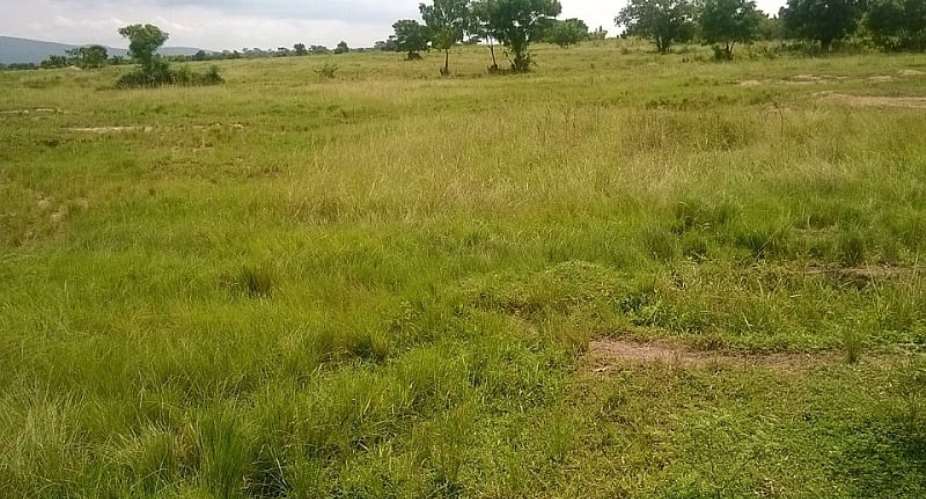
At the heart of his proposed solutions is the establishment of designated grazing areas. These zones would provide Fulani herdsmen with secure spaces for their livestock, thereby minimising the encroachment on arable lands that often leads to disputes.
By regulating grazing patterns and protecting farmland, Mahama aims to create a harmonious coexistence that benefits both parties.
In addition, Mahama emphasises the importance of dialogue and collaboration. He advocates for the formation of local committees composed of representatives from both herding and farming communities.
These committees would serve as platforms for discussing grievances, negotiating land use agreements, and creating a mutual understanding of each other's needs.
By encouraging open communication, Mahama believes that many misunderstandings and conflicts can be resolved before they escalate into violence.
Furthermore, Mahama proposes the integration of modern technology in farming and herding practices. This includes promoting the use of mobile apps for tracking cattle movements, weather forecasts, and market prices, which would empower herdsmen with information to make better decisions.
For farmers, access to innovative agricultural techniques and resources can enhance productivity while ensuring they can compete fairly in the market.
Lastly, Mahama's vision extends to advocating for government support in the form of subsidies and training programmes.
By providing financial assistance and educational resources, local farmers can learn sustainable practices to cope with climate change and enhance crop yields.
Simultaneously, herdsmen can be trained in livestock management techniques that align with environmental conservation efforts.
Through these multifaceted approaches, John Mahama envisions a future where Fulani herdsmen and local farmers can thrive side by side, contributing to a stable economy and a peaceful society.
His commitment to fostering cooperation and sustainability reflects a deep understanding of the complexities of agricultural conflicts in the region and the need for innovative, practical solutions.
Anthony Obeng Afrane


 Highly influential people sponsoring Ghana Jollof TikTok activities – CID
 'Ghana Jollof' case: Bawumia's condemnation of nurse's arrest is hypocritical – ...
 Ahafo Ano South West MP involved in road accident
 Constitutional Review alone will not solve Ghana’s problems – Kwesi Pratt Jnr.
 East Legon Football Academy applauds NPA Boss for supporting youth football
 Gov't didn't show NPP enough respect in constitutional review process – Martin K...
 September 18: Cedi sells at GHS12.15 on forex market, GHS11.53 on BoG interbank
 Lawyer challenges two-week remand of Salomey over connection to wanted 'Ghana Jo...
 Minority calls for NSA boss Ampofo Ankrah, others to be dismissed over alleged 2...
 ‘You gave us GH¢60,000 to run 66 offices nationwide and expect us to function?’ ...


