




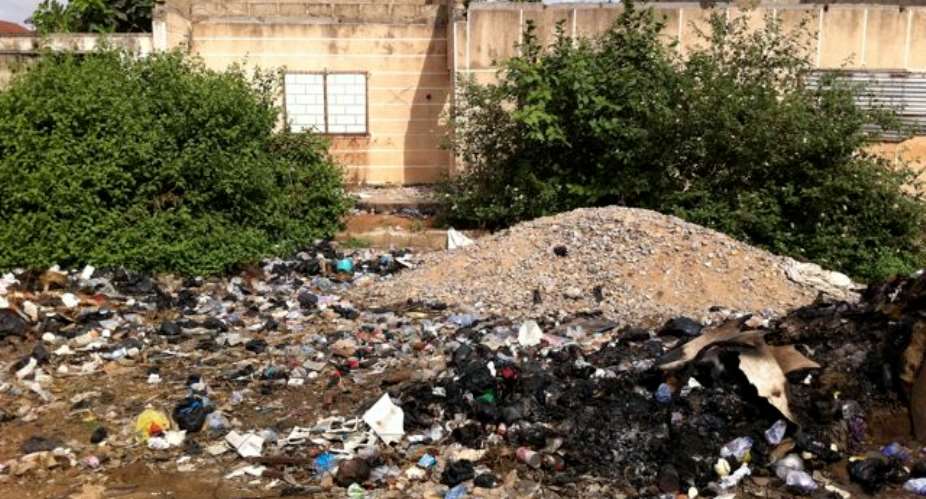
The Kwahu West Municipality in Ghana’s Eastern Region continues to battle the growing menace of polythene bags. Once considered a convenient packaging option, these bags have become a major environmental threat, undermining the municipality’s ecosystem and posing significant health risks to residents.
The Problem
Polythene bags are non‑biodegradable and frequently end up in drains, waterways, and open spaces, causing severe blockages and widespread pollution. In Kwahu West, the situation is particularly troubling. Streets are littered with discarded bags, drains are choked, and aquatic life is increasingly endangered. According to researcher Godfred Asante, polythene bags can take up to 1,000 years to decompose, deepening the environmental crisis.
Environmental Impact
- Soil Pollution: Polythene waste contaminates soil, reducing fertility and lowering crop yields.
- Water Pollution: Blocked drains lead to flooding and the contamination of water bodies.
- Air Pollution: Burning polythene bags releases toxic fumes that contribute to climate change and degrade air quality.
Health Impact
- Disease Spread: Accumulated polythene waste creates breeding grounds for pests that transmit diseases.
- Respiratory Issues: Inhaling fumes from burning plastic causes respiratory complications, especially among children and the elderly.
Community Perspectives
“Polythene bags are a major problem here. They clog our drains and make our streets dirty,” says Osei Kwasi, a resident of Nkawkaw.
Solutions
- Enforce the Ban: Strengthen and implement existing laws restricting the use of polythene bags.
- Promote Alternatives: Encourage the use of eco‑friendly, reusable bags.
- Community Education: Intensify public education on proper waste disposal and environmental stewardship.
As Asante notes, “True progress is not measured by the speed of globalization but by how it protects the dignity of the local community.” The Kwahu West Municipal Assembly is therefore urged to take decisive action to curb the use of polythene bags and champion sustainable practices that safeguard both the environment and public health.
About the Author
Godfred Asante is an academic and researcher at Presbyterian University Ghana. His work focuses on globalization, income inequality, and social protection systems in Sub‑Saharan Africa.

 Wontumi's conviction was based on assumptions with no evidence — NPP alleges
 Galamsey prosecutions should not end with Wontumi's sentence — Prof Agyemang-Dua...
 Attorney General was very efficient in Wontumi's Samreboi case — Martin Kpebu
 Ghana has lost a statesman among traditional rulers — Mahama mourns Yaa Naa
 Mahama Rallies ECOWAS: “Differences Must Not Divide West Africa”
 “I’ll Put My Life on the Line!” — Appiah‑Kubi Questions Basis of Wontumi’s Galam...
 President Mahama welcomes ECOWAS' decision to support Ghana’s petition against x...
 Wontumi unfit to lead NPP as National Chairman over legal controversies — Kpebu
 NAIMOS must explain motorbike owners reportedly paying GH₵15,000 to reclaim seiz...
 Galamsey: 'What happened to EOCO investigation on Abanga and Yamin?' — Ken Ashig...

