




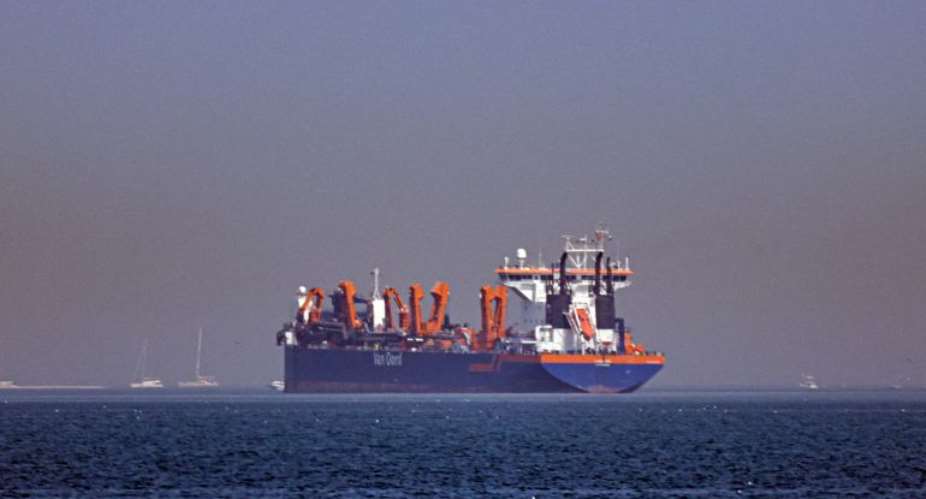
The Strait of Hormuz a narrow but vital maritime passage between the Persian Gulf and the Gulf of Oman is central to global energy and shipping. Under normal conditions, it handles a significant portion of the world’s seaborne oil and liquefied natural gas (LNG) trade. But the ongoing war involving Iran, the United States, and Israel has dramatically disrupted maritime traffic, with hundreds of vessels now immobilized near the strait.
Strategic Chokepoint Under Severe Strain
The Strait of Hormuz is one of the world’s most important choke points for energy and trade:
Typically, roughly 20 % of global crude oil and LNG shipments pass through the strait each day.
However, recent hostilities have dramatically interrupted normal traffic flows, prompting many ships to halt transit, drop anchor, or reroute to avoid danger.
What’s Happening to Vessel Traffic?
Shipping data and maritime reports indicate that:
More than 200 vessels, including oil tankers, gas carriers and cargo ships, are now anchored in open waters near the Persian Gulf because they cannot safely transit the strait.
Industry tracking platforms such as ship-movement data and intelligence firms show a sharp decline in transits through the strait, with crossings at times virtually halted due to security concerns.
Many vessels that would normally pass daily are instead remaining outside the Strait of Hormuz, waiting for tensions to ease or alternative arrangements to be made.
Some reports estimate that dozens to hundreds of ships have anchored on either side of the chokepoint as crews await cleaner, safer conditions.
Why the Disruption Is So Severe
The near-stoppage of traffic isn’t just due to weather or normal delays it stems from:
Threats and warnings issued by Iranian authorities, including military declarations that vessels attempting to pass may be targeted.
Attacks on commercial vessels and tankers, including reported strikes that have damaged ships in or near the strait.
Withdrawal of war-risk insurance coverage by major maritime insurers, making it more costly and risky for captains to enter the region.
GPS and tracking interference that complicate navigation around the chokepoint.
These factors have discouraged shipping companies from using the route, even when there isn’t a formal legal closure of the strait.
Global Impact of Traffic Slowdown
The disruption in the Strait of Hormuz has wide-ranging economic and logistical effects:
Fuel and energy markets have reacted strongly, with crude and LNG prices rising due to fears of prolonged supply bottlenecks.
Shipping firms such as major container lines have suspended bookings or rerouted vessels to avoid the region.
Alternative routes, such as around the Cape of Good Hope, are increasing in use but add time and cost to global trade.
A Struggling Waterway in Uncertain Times
The situation in the Strait of Hormuz represents a dramatic example of how regional military conflicts can rapidly affect global trade, energy security, and maritime logistics. What historically has been one of the busiest shipping corridors in the world is now suffering unprecedented congestion and near-standstill traffic because commercial operators are unwilling or unable to risk transits under current conditions.
Mustapha Bature Sallama.
Medical/ Science Communicator,
Private Investigator, Criminal investigation and Intelligence Analysis.
International Conflict Management and Peace Building.USIP
[email protected]
+233-555-275-880

 School feeding arrears to be paid soon – GSFP Coordinator assures
 NAiMOS dismantles illegal mining camp, Disables Excavators in Nkawie Forest Rese...
 Ghana partners African countries to pilot continental mobile money interoperabil...
 Ghanaians injured in UAE missile attack recovering well – Ablakwa
 Health official condemns circulation of pregnant BECE candidates’ images, calls ...
 Three young men injured in machete clash at Akim Oda
 “I want to stop doing drugs but I can’t” — 38-year old man opens up on struggles...
 Third-year male students at Bolgatanga Technical Institute ordered to vacate cam...
 Police arrest four over Bolgatanga robberies
 Committee finds Charles Amissah’s death avoidable, recommends sanctions against ...


