




In recent weeks, the phrase “Their President is wearing a blouse” sparked a vibrant cultural conversation across the Ghanaian digital landscape. While some viewed the comment through a lens of confusion, the reality unfolding is far more profound. What we are witnessing is not a misunderstanding of fashion but a powerful affirmation of identity, history, and unity. The fugu, once perceived primarily as attire for specific traditional ceremonies or religious festivities like Eid, is experiencing a remarkable resurgence. It has transitioned from the sacred confines of tradition into the vibrant spaces of modern life, appearing confidently in lecture halls, corporate offices, and international festivals.
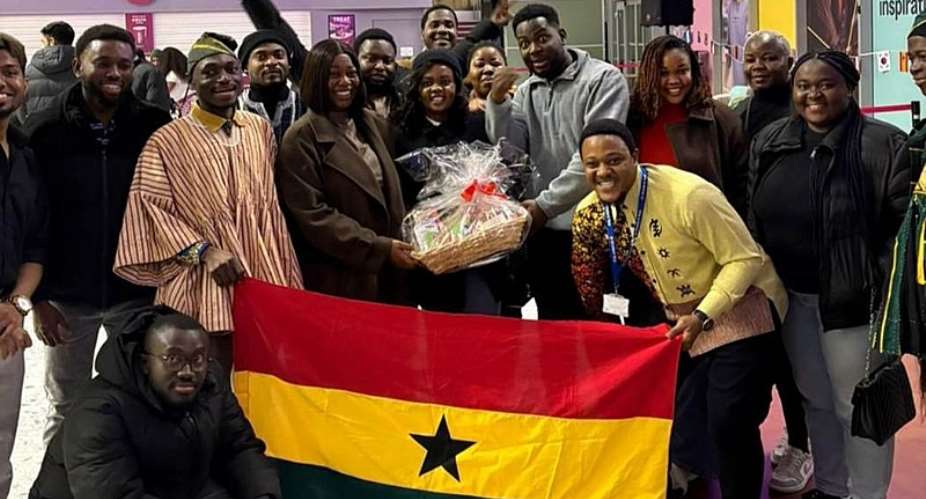
For the Ghanaian Students Society at the University of Bradford, this cultural awakening culminated in a significant achievement at the university’s recent Culture Fest. By choosing to centre the fugu as their primary cultural representation, the society was crowned the winner for Best Costume. This victory served as a living testament to the heritage and beauty that Ghanaian culture carries, even within the diaspora. The success of the society suggests that for many Ghanaians, especially those living abroad, traditional attire is no longer seen as old-fashioned. Instead, it is a deliberate choice to centre one's heritage in an era shaped by globalisation.
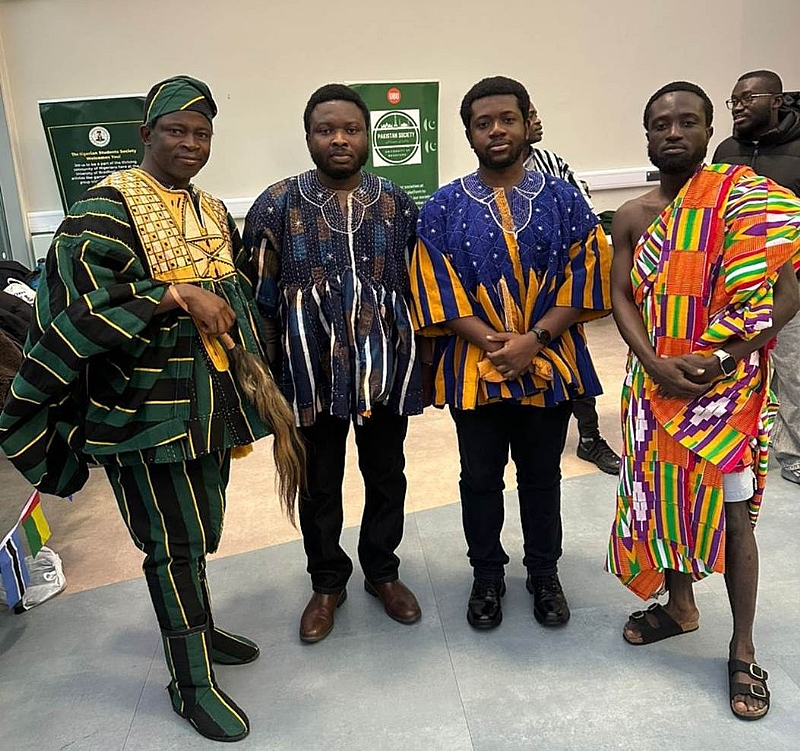
The Secretary of the Ghanaian Students Society at the University of Bradford, Elizabeth Hansen, observed this transformation firsthand during the preparations for the festival. She noted that she has watched students, some born in Ghana and others born abroad, reconnect with their heritage through the clothes they wear. For students navigating multiple identities in a foreign land, she explained that the garment becomes an anchor to feel at home away from home. This sense of belonging was evident during the festival, where the fugu was showcased in various forms, from flowing smocks to tailored dresses and structured tops, proving that tradition and modernity can coexist seamlessly.
Reflecting on the achievement, the President of the society, Desmond Boahene Bilson, admonished Ghanaians to be proud of their heritage and to remain ready to showcase it at every opportunity. He stated that this victory has affirmed that Ghanaian culture is a living testament of the heritage and the beauty it carries, even in the diaspora. To ensure this momentum continues, the society has planned a series of upcoming events at the University of Bradford to further showcase the richness of Ghana.
To commemorate Ghana’s 69th Independence Day, the society will host a flag-raising ceremony at the University’s Peace Garden and a commemorative football competition between other nationals in the UK. Furthermore, they intend to climax the independence celebration with a Ghanaian simulated market, an exhibition designed to display true Ghanaian wares such as traditional food, costumes, intricate beads, and historical artefacts. His Excellency, President Desmond Boahene Bilson, has called upon all and sundry to participate in these celebrations, emphasising that the story of Ghana is best told through the collective pride of its people.
This success was made possible through the dedicated efforts of the society’s executive team, including Vice President Edem Agbatey, Treasurer Emmanuel Hodanu, Adviser Ebenezer Andoh and Organiser Henry Appiah. Significant gratitude is also extended to the society’s patrons, the alumni body, and the Ghana Union in Bradford. Their support, alongside that of the University of Bradford, provided the platform for this cultural reclamation.
The current buzz surrounding the fugu speaks to a broader shift in Ghanaian consciousness. From the looms of Northern Ghana to the Atrium at the University of Bradford, the people of Ghana remain connected by the threads of their history. The fugu revival is ultimately less about the cloth itself and more about the confidence it instils. It represents a people who honour their artisans, embrace their traditions, and carry their identity boldly into global spaces. By winning through their heritage, these students have proven that while fashion trends may fade, a cultural awakening rooted in meaning is everlasting.
 Eight teachers convicted for facilitating cheating in 2025 BECE — Education Mini...
 'Low' risk to public of hantavirus after cruise ship deaths, WHO says
 Ghana’s Moment at the African Union: Beyond Symbolism, Toward Substance
 Approach the exams with confidence — Vice President urges 2026 BECE candidates
 May 4: Cedi maintains value, sells at GHS12.15 on forex market, GHS11.20 on BoG ...
 There is an attempt to understate BoG’s 2025 loss — Oppong Nkrumah
 Ghana to host 3-day reparations conference June 17 to 19 after UN resolution
 Don’t engage in exam malpractice — Education Minister urges 2026 BECE candidates
 NIA resumes Ghana Card registration for children in Volta, Oti regions on May 5
 Over 620,000 candidates from 20,395 schools begins 2026 BECE nationwide


