




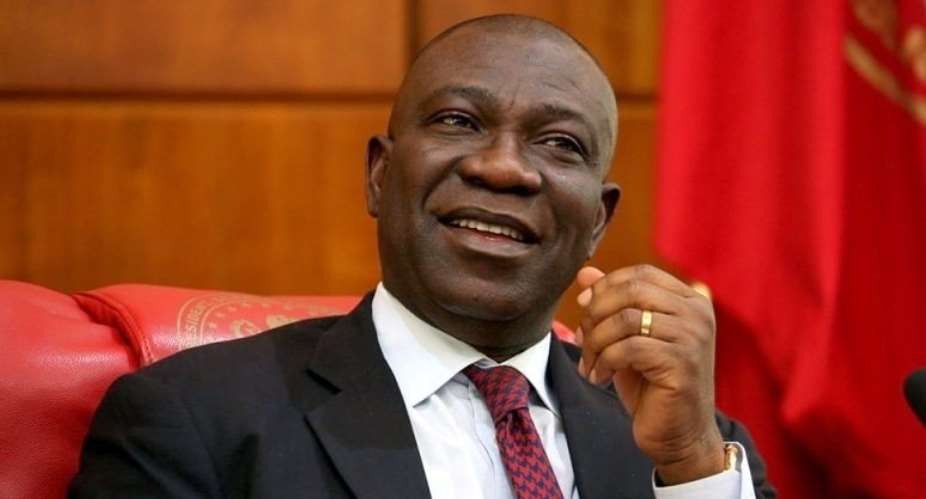
Ike Ekweremadu is a Nigerian lawyer and politician from Enugu State. He served as a Senator for Enugu West from June 2003 to May 2023 and was Deputy President of the Nigerian Senate from June 2007 to June 2019. His career also included leadership in the ECOWAS Parliament and other regional engagements.
The Case: Organ Harvest Plot & Legal Proceedings
A major turn in Ekweremadu’s public life occurred in 2022–2023 when he, his wife Beatrice, and a doctor (Obinna Obeta) became embroiled in a high profile legal case in the United Kingdom.
Key Facts
On 21–22 June 2022, the UK’s Metropolitan Police arrested Ekweremadu and his wife at Heathrow Airport after investigations into alleged organ harvesting.
The allegation: The couple arranged the travel of a young man from Nigeria (allegedly a vulnerable street trader) to the UK with the intention of harvesting his kidney for their daughter. Under UK law (the Modern Slavery Act 2015), it is illegal to facilitate travel of a person for the purpose of exploitation, including organ harvesting.
Trial and Conviction
In March 2023, at the Central Criminal Court of England and Wales (Old Bailey) in London, Ekweremadu, his wife and the doctor were found guilty of conspiring to exploit the Nigerian man for his kidney.
On 5 May 2023, Ekweremadu was sentenced to 9 years 8 months in UK prison. His wife received 4 years 6 months; the doctor 10 years. The trial was described as “landmark” because it was the first time an organ harvesting conspiracy of this nature was prosecuted under UK modern slavery legislation.
Additional Nigerian Legal & Diplomatic Developments
In Nigeria, the Economic and Financial Crimes Commission (EFCC) initiated or supported asset forfeiture actions tied to Ekweremadu. In Jan 2023 a Federal High Court in Abuja described the facts as “heart‑rending” and criticized the EFCC’s conduct.
The Nigerian Senate sent a delegation to the UK to engage with the case, and there were appeals by senior figures (including former President Olusegun Obasanjo) for clemency or merciful consideration. Nigerian government publicly stated it would not interfere in the legal process in the UK.
Discussion: Rendition? Why the Term Doesn’t Fit
You asked about “rendition” in the context of Ekweremadu. In international law and human rights contexts, “rendition” or “extraordinary rendition” refers to the extrajudicial transfer of a person from one country to another, often without due process. Examples may include abductions or transfers by one state to another outside formal extradition frameworks.
In Ekweremadu’s case:
He was arrested in the UK under UK law following investigation by UK authorities.
He was charged, tried, and convicted under UK jurisdiction. There is no credible evidence of extrajudicial transfer of Ekweremadu from Nigeria to the UK (or vice versa) outside of legal processes.
Thus, using “rendition” in his case would be incorrect or misleading. The case is one of cross border criminal prosecution (Nigeria to UK) and not of forced or covert transfer by state actors devoid of due process.
Implications & Broader Significance
The case underscores the global dimension of modern human trafficking, organ harvesting, and exploitation and how national actors can be subject to foreign jurisdictions. It presents an irony: Ekweremadu was once part of drafting or supporting ant trafficking or anti organ harvesting legislation yet became subject to prosecution under such laws in the UK. It raises serious questions about vulnerability, exploitation of poverty, and abuse of power. The victim was described in court as a poor street trader from Lagos, believed he was going abroad for work, then discovered the purpose was organ harvesting.
For Nigeria: reputational damage, diplomatic strains, and domestic debate about governance, oversight of elites, and legislative frameworks on human trafficking and organ commerce.
For the UK: A landmark precedent in applying modern slavery law to organ trafficking plots crossing international borders.
What We Know / What Remains Unclear
Known:
Arrest, charges, conviction and sentencing details as above.
The victim’s testimony: recruited in Lagos, beliefs about going to UK for work, later said to be for kidney.
UK court findings: Ekweremadu was “the driving force” judge’s description.
Unclear / contested:
Exact details of how the donor was recruited, what promises were made (job, education), how consent was obtained. Some details in court record, but some remain under seal or partially reported.
The role of the daughter (Sonia): She was cleared of charges; the court accepted she was not part of the conspiracy.
Diplomatic undertakings between Nigeria and UK: the extent of Nigerian government support, the treatment of Ekweremadu’s assets in Nigeria, and the interplay between UK criminal law and Nigeria’s legal system.
Wider network or pattern of organ trafficking tied to Nigeria (or other countries): while this case is extraordinary, the extent of the phenomenon remains opaque.
Key Takeaways
Ike Ekweremadu went from a powerful Nigerian legislative leader to a convicted criminal in the UK for organ trafficking under modern slavery law.
The case is not one of extraordinary rendition; it is a legal prosecution following cross border investigation and jurisdictional cooperation. It is a stark cautionary tale about how corruption, exploitation of vulnerability, and the abuse of privilege can cross national borders and lead to severe legal consequences.
It challenges Nigeria’s legislative and political elites, the integrity of its institutions, and raises questions about international legal accountability for citizens. It underscores the importance of consent, vulnerability, and power imbalance when considering organ donation or medical travel across borders.
Concluding Thoughts
The Ekweremadu case is complex, compelling, and historic in several respects not only because of who he is (a senior Nigerian politician) but because of what was at stake: the exploitation of a vulnerable individual across borders, the first UK conviction of its kind under the Modern Slavery Act for organ harvesting, and the profound questions it poses about global justice, accountability, and ethics.
Mustapha Bature Sallama
Medical/Science communicator ,Private Investigator, Criminal Investigation and Intelligence Analysis,
International Conflict management and Peace Building. Alumni Gandhi-King Global Academy, United State Institute of Peace Building USIP.

 STC bus swept away by heavy floodwaters at Achimota–Abofu
 NPP disqualifies five aspirants in Sunyani East Constituency executive elections
 Nothing justifies violence against migrants — South Africa President on June 30 ...
 NADMO official urges Interior Ministry to declare emergency holiday amid floodin...
 Stay where you are until Monday floods conditions improve — Interior Ministry
 Tse Addo Flooding: 15 children and infant rescued by boat after heavy rains
 Awutu Senya East Education Directorate suspends classes over flooding
 Health Ministry warns of Cholera risk following flooding
 Ghana School of Law delays start of examinations over Accra heavy flooding
 Osahen Afenyo-Markin accuses NDC of using GoldBod to promote illegal mining


