




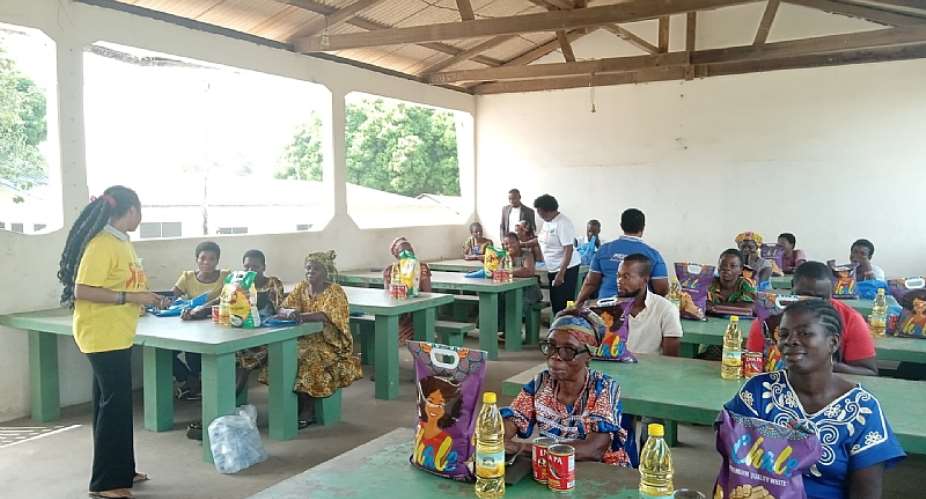
The World Health Organization (WHO) estimates that, out of 28 million Ghanaians, around 2.3 million people live with a mental health condition and require care. However, only 2% of them receive treatment and support through psychiatric services. One major reason for this gap is the significant underfunding of mental health services in Ghana.
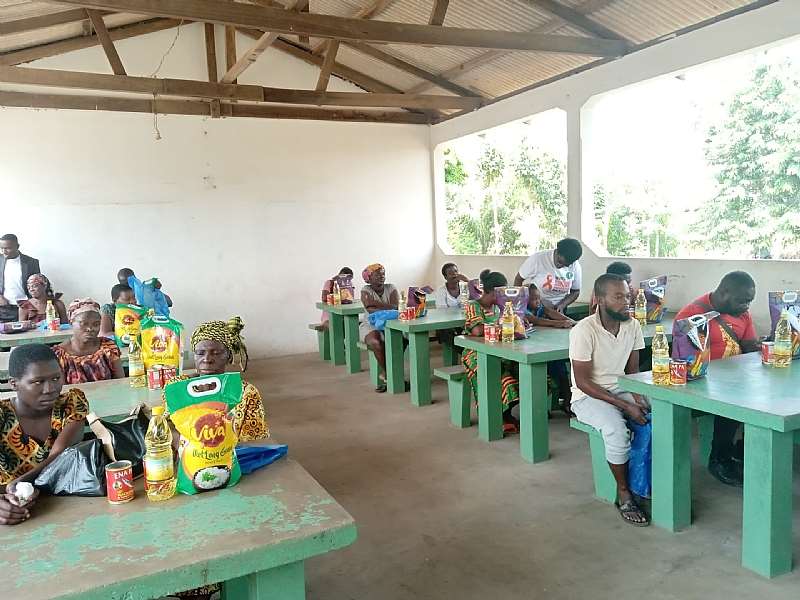
EmpoweredMind Ghana, a Non-Governmental Organisation (NGO) focused on mental health advocacy and outreach in the Volta Region, has spoken out against the stigmatization and discrimination of people with mental health conditions. The organization emphasizes that mental health challenges can affect anyone. As part of its mission, EmpoweredMind Ghana also provides essential items to individuals with mental health conditions to help them celebrate the end-of-year festivities.
“Mental health is not exclusive to any group; anyone can experience challenges. It could be your neighbor, your colleague at work, or someone in your family. We need to eliminate the stigma that surrounds mental health because everyone is vulnerable,” said Mr. Emmanuel Adadey, Director of EmpoweredMind Ghana.
He highlighted the common misconception that mental health conditions only affect visibly struggling individuals. “It is not until a person is walking naked on the street that they are battling mental health conditions. People are suffering in workplaces and offices too. That’s why this year’s Mental Health Day celebration focused on the workplace. It happens everywhere,” he explained.
Mr. Adadey also pointed out the widespread confusion between mental health and mental illness. “A lot of people don’t know the difference between mental health and mental illness. Mental health is a state of well-being, whereas mental illness refers to conditions that affect mental health. It's important that we all learn to recognize these distinctions and stop stigmatizing individuals suffering from mental health conditions,” he said.
EmpoweredMind Ghana strives to ease the burden on mental health patients, their families, and caregivers by providing emotional and material support. The NGO visits mental health units in hospitals annually to donate essential items to both caregivers and patients. “Taking care of clients and their relatives is not an easy task. Some patients refuse to take their medications, which becomes a challenge for caregivers. But some caregivers have to patiently persuade them to comply, ensuring they remain in good health. That’s why we make it a point to support them annually with gifts, rice, oil, fish, and other essentials as a way of appreciating their hard work,” Mr. Adadey said.
“We don’t always have external donors, but we make contributions ourselves. No matter the resources, we put in our best to put a smile on the faces of these individuals. The joy and praise from the recipients of our donations make it worthwhile,” he added.
In addition to donations, EmpoweredMind Ghana actively raises awareness about mental health through educational outreach. The NGO conducts sessions in secondary schools and tertiary institutions across the Volta Region. “We are focused on increasing mental health awareness through education and advocacy in schools and communities. We have already been to several communities, educating the public and engaging key stakeholders to spread the message about the importance of mental health,” Mr. Adadey emphasized.
Looking ahead, the NGO plans to expand its outreach to more communities in 2025, particularly those with limited awareness of mental health issues. “Next year, we plan to reach more communities and institutions that have little to no knowledge about mental health. We want to ensure that people understand that help is available and that mental health is just as important as physical health,” he said.
Mr. Adadey also called for more support from individuals and organizations to sustain EmpoweredMind Ghana’s initiatives. “Our doors are open to anyone who wants to support us. We rely on donations, grants, and partnerships to carry out our work. There’s so much more to be done, and with more support, we can ensure that people have access to the help they need,” he urged.
Madam Victoria Agbedanu, Chairperson of EmpoweredMind and a retired principal mental health nurse with over 40 years of experience, spoke about the challenges facing mental health caregivers. “Caregivers are often not adequately supported, and this is a serious concern. Many of the patients we care for are unable to work and support themselves, so we must encourage and empower caregivers to do their vital work,” Madam Agbedanu explained. She called on the government to implement the National Health Insurance Scheme (NHIS) plans to cover the cost of mental health medications, which are often expensive and must be taken daily for life.
“Mental health is not a death sentence. With the right care, support, and medication, people can recover and lead normal lives. I have personally cared for patients who were once on the streets or in marketplaces. I brought them into my home, cared for them, gave them their medications, and today, they are doing well. Some are working, some are back in school, and some are helping their families. This proves that with love, support, and the right care, recovery is possible,” she added.
Courage Aholu-Dzage, Volta Regional Mental Health Coordinator, highlighted the issue of psychotropic medication shortages in the region. “The perennial shortage of psychotropic medications has been a significant issue confronting mental health care in the region. However, the good news is that the National Health Insurance Authority has approved the inclusion of mental health medications in the NHIS system. We are hopeful that the implementation will soon begin. This would be a great relief for our patients, who often face financial barriers in accessing medication,” he said.
He added that while the new policy was promising, there had been no official update on its rollout. “We’ve already informed our patients and given them hope that they will receive free medications, but we are still waiting for the authorities to act. We hope that this initiative will be implemented soon, as mental health patients often face poverty, and these medications are crucial for their well-being,” he said.
EmpoweredMind Ghana's efforts to combat mental health stigma, support caregivers, and advocate for better policies reflect a growing recognition of the importance of mental health in Ghana. With continued community support, the organization hopes to bring lasting change to the lives of many individuals affected by mental health conditions.
 Trump threatens EU with tariffs over 'laughable' Canada association plan
 Gambian businesses struggle under prolonged blackouts
 US again denies Palestinian leader visa for UN General Assembly
 US House holds billionaire Epstein associate Leon Black in contempt of Congress
 'Some NPP members did not vote in 2024 election because I left NPP' – Alan Kyere...
 How €225 million cocaine from Ghana traced to fugitive Dutch drug kingpin based ...
 'Galamsey remains an existential threat' – Gyampo demands more action
 'I’m like Akpeteshie, I don’t need adverts to win' – Hawa Koomson storms home tu...
 'Excessive bail conditions must be reviewed' – GBA President


