




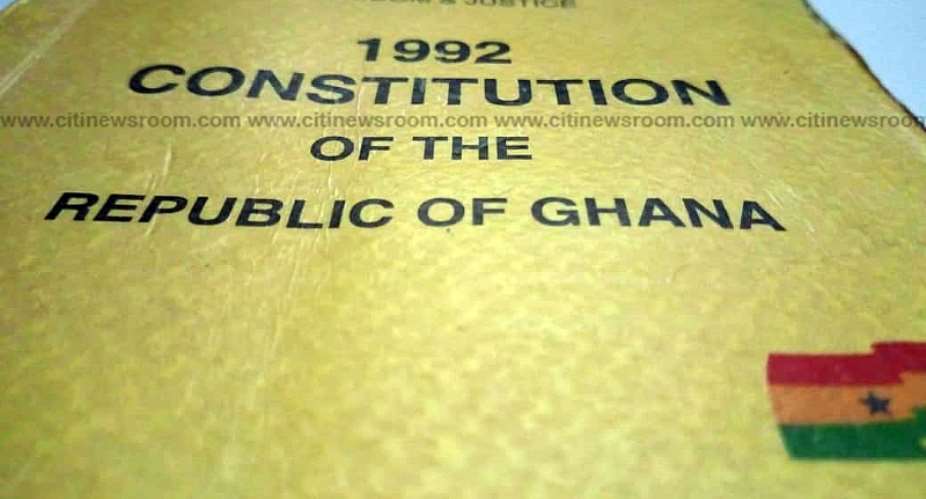
The constitutional mandate of a Municipal Chief Executive (MCE) in Ghana is primarily defined by the Local Government Act, 1993 (Act 462), as well as the 1992 Constitution. Here's a breakdown of their key roles and responsibilities:
1. Executive Head of the Municipality:
• Implementation of Policies: The MCE is the chief executive officer of the municipality, responsible for implementing policies and decisions made by the Municipal Assembly.
• Management of Municipal Resources: The MCE oversees the efficient use of municipal resources, including budgets, staff, and infrastructure.
• Supervision of Departments: The MCE is responsible for supervising the operations of various municipal departments, such as health, education, sanitation, and social welfare.
2. Representing the Municipal Assembly:
• Public Face of the Municipality: The MCE serves as the public face of the municipality, representing its interests at local, regional, and national levels.
• Advocating for Municipal Needs: The MCE advocates for the needs of the municipality to government agencies, seeking funding and support for development projects.
• Liaising with Government: The MCE works closely with regional and national government officials to ensure the smooth implementation of policies and programs at the municipal level.
3. Community Development:
• Promoting Development: The MCE plays a key role in promoting development in the municipality, working with stakeholders to identify and implement projects in areas such as infrastructure, health, education, and economic development.
• Facilitating Community Engagement: The MCE encourages community participation in decision-making processes, seeking input from residents on local development plans.
4. Governance and Administration:
• Enforcing Municipal By-laws: The MCE is responsible for enforcing municipal by-laws and regulations related to sanitation, planning, and other areas.
• Maintaining Law and Order: The MCE collaborates with the police and other security agencies to maintain law and order within the municipality.
• Promoting Good Governance: The MCE works to ensure transparency, accountability, and good governance practices in the management of municipal affairs.
5. Additional Responsibilities:
• Chairing the Municipal Assembly: The MCE presides over meetings of the Municipal Assembly, guiding discussions and ensuring that decisions are made in accordance with the law.
• Appointing Officials: The MCE, in consultation with the Municipal Assembly, appoints heads of departments and other municipal officials.
In essence, the MCE's constitutional mandate is to be the chief administrator and representative of the municipality, leading the implementation of development plans, representing the community's interests, and ensuring efficient governance. They play a vital role in the local governance system, working to improve the lives of residents and promote the well-being of the municipality.
One has to note that the specific duties of the MCEs are not explicitly detailed within the 1992 Constitution of Ghana. The Constitution primarily focuses on establishing the framework for local government and defining the roles of the Municipal Assembly.
How the articles in the Constitution contribute to understanding the MCE's role:
• Article 243 (1): This article establishes the Municipal Assembly as a key organ of local government, responsible for, among other things, "planning and development of the municipality" and "the promotion of the welfare of the people." This sets the stage for the MCE's role as the executive arm of the Assembly, tasked with implementing these functions.
• Article 243 (2): This article specifies that the Assembly is responsible for "the management of the affairs of the municipality." This indirectly implies the MCE's role in overseeing day-to-day operations, resource management, and administrative tasks.
• Article 244(1): This article states that the Municipal Assembly will "have power to make by-laws for the good governance of the municipality." This signifies the MCE's responsibility in enforcing these by-laws and promoting good governance practices.
• Article 248(1): This article stipulates that the President shall, "on the advice of the Council of State, appoint the Municipal Chief Executive." This highlights the MCE's role as an appointee of the President, working within the broader framework of national governance.
While not explicitly mentioned, the Constitution's focus on the Municipal Assembly's responsibilities and the President's role in appointing the MCE sets the foundation for their key roles:
• Executive Arm: The MCE is the executive head of the municipality, implementing the Assembly's decisions and policies.
• Representative: The MCE acts as the representative of the municipality, interacting with government and advocating for the community's needs.
• Promoter of Development: The MCE is responsible for facilitating development plans and projects in the municipality.
Essentially, the MCE's mandate is implied within the broader constitutional framework of local government in Ghana. The Constitution defines the roles and responsibilities of the Municipal Assembly, which the MCE is expected to carry out in an executive and administrative capacity.

 Ghana, Panama sign MoU to deepen bilateral political consultations
 Founder’s Day: NAPO urges Ghanaians to uphold Kwame Nkrumah’s legacy
 Founder’s Day: Mahama urges Ghanaians to draw inspiration from Nkrumah’s vision
 Mahama to build 400-bed Mother and Child Block at Korle Bu – Kwakye Ofosu
 GES threatens sanctions against SHS heads imposing unauthorised charges
 Betting could destroy future of Ghana’s youth in 3–5 years – Akim Swedru MP
 Zimbabwe Suspends Journalist for One Year Over ‘Unethical’ Reporting on Chinese ...
 Third Drug Mule in 3 Weeks: R2m Heroin Found in SA Man’s Luggage at OR Tambo
 NACOC Debunks MP’s Claim as France’s €225m Cocaine Case Deepens
 Putin party retains majority in first vote since 2022 invasion of Ukraine


