




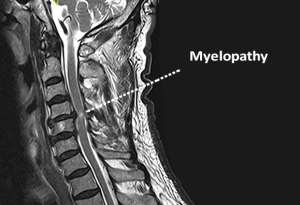
One's life may be greatly impacted by a variety of symptoms associated with cervical myelopathy, a disorder that affects the spinal cord in the neck area. It's important to provide information on this condition's nature, symptoms, and potential treatments since, as a neurosurgeon, I treat people who are struggling with it. When the spinal cord in the neck is squeezed or compressed as a result of the spinal canal narrowing, it can result in cervical myelopathy. Herniated discs, spinal cord injuries, and degenerative changes in the spine are a few of the conditions that can cause this compression. Consequently, it interferes with the spinal cord's ability to operate normally, resulting in a variety of symptoms.
Cervical myelopathy symptoms can appear gradually and differ in severity. People may first have mild symptoms including tingling or numbness in the hands, trouble using their fine motor skills, or inexplicable weakness in their arms or legs. These symptoms may worsen over time and lead to issues with walking, balance, and coordination. People often delay seeking medical assistance because they believe these symptoms are due to aging or other unrelated problems. But early detection of these symptoms is essential for prompt action and stopping future decline.
A comprehensive evaluation by a medical practitioner is necessary to diagnose cervical myelopathy, and this evaluation usually begins with a thorough medical history and physical examination. Imaging investigations, such magnetic resonance imaging (MRI) scans, aid in observing the spinal cord and determining the root cause of compression. The degree of symptoms and underlying reason determine the cervical myelopathy treatment options. Conservative measures such as physical therapy, anti-inflammatory drugs, and lifestyle changes may be adequate in moderate cases. In more severe cases, however, surgery may be required to stabilize the spine and release pressure on the spinal cord.
It is critical to act quickly to manage cervical myelopathy. Treatment that is postponed may cause symptoms to worsen and might cause irreversible spinal cord injury as well as a reduction in quality of life. Therefore, anyone exhibiting any of the above listed symptoms ought to consult a physician right away. I support patient education and awareness on cervical myelopathy in my capacity as a neurosurgeon. Comprehending the symptoms and risk factors might enable individuals to identify any problems at an early stage, hence facilitating rapid consultations with healthcare providers. Additionally, increasing knowledge in the community encourages people to prioritize spinal health and seek the necessary care when necessary. The situation of cervical myelopathy necessitates consideration and comprehension.
People who are struggling with this illness can significantly improve their quality of life and enjoy great relief with prompt identification, intervention, and therapy. In addition to providing care, my mission as a neurosurgeon is to inform, empower, and encourage people to take charge of their own spinal health.


 YEA deploys over 11,700 youth under Community Police Assistant Model – Basintale
 Parliament’s Human Rights Committee demands swift investigations in Obuasi SHTS ...
 'Let the law take its course' – Veep on Obuasi SHTS sexual abuse allegations
 Obuasi SHTS sex scandal: 'The powerful ride the law to trample the weak' – Kofi ...
 19-year-old remanded over alleged fatal stabbing of boyfriend at Ofankor
 Woes of SHTS Headmaster deepen as he resigns as old students’ chairman
 'NPP has 35 NDC scandals to drop from now till 2028 elections' — Sammi Awuku
 'NDC will pay for Obuasi SHTS sex scandal' – Sammi Awuku warns
 Use of hormonal contraceptives linked to increased breast cancer risks – Doctor ...
 ECOWAS deepens EU cooperation to improve disaster response in West Africa


