




Ghana is often introduced to the world through familiar headlines gold, cocoa, football, and political stability in a sometimes volatile region. But beneath those surface narratives lies a deeper story: a country whose cultural warmth, historical significance, and social cohesion create an experience many visitors describe as something close to emotional restoration. Yet, much of this remains underreported.
A Historical Foundation Built on Courage and Identity
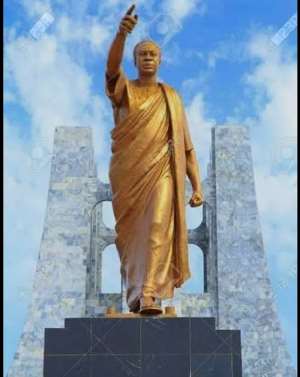
Modern-day Ghana formerly known as the Gold Coast—holds a unique place in African history. It became the first sub-Saharan African nation to gain independence from colonial rule in 1957 under the leadership of Dr. Kwame Nkrumah. This moment was not just political; it symbolized a continental awakening.
Nkrumah’s vision of Pan-Africanism still echoes through Ghana’s identity today. The country did not simply seek independence; it positioned itself as a beacon of African dignity and unity. That legacy still influences how Ghanaians view themselves and, importantly, how they welcome others.
The Hidden Ghana That Rarely Makes Headlines
Beyond politics and economics, Ghana carries qualities that are often overlooked:
1. Social warmth as a cultural system, not a gesture
Hospitality in Ghana is not performative it is embedded in daily life. Strangers are often treated with a level of openness that surprises many first-time visitors. In both urban centers like Accra and rural communities, greeting others, sharing food, and showing concern are social expectations, not exceptions.
2. Community before individuality
While many societies are increasingly individualistic, Ghana still maintains strong communal bonds. Extended family systems remain active, and neighbors often function as informal support networks. This creates a sense of safety and belonging that visitors quickly notice.
3. A living cultural rhythm
From traditional festivals to street music, from funerals that celebrate life to naming ceremonies that connect generations, Ghanaian life is deeply ceremonial. These practices are not staged for tourism; they are lived realities.
4. Emotional openness and humor as resilience
Ghanaians often use humor, storytelling, and conversation as tools of resilience. Even in difficult economic conditions, there is a cultural tendency to maintain dignity, laughter, and mutual encouragement.
Why Foreigners Often Feel an Unexpected Sense of Belonging
One of the most repeated observations from visitors is not about infrastructure or landmarks it is about feeling emotionally welcomed. Many foreigners describe Ghana as a place where they are treated less as outsiders and more as temporary members of a wider family.
This does not mean perfection or absence of challenges. Like any developing nation, Ghana faces infrastructure gaps, economic pressure, and social inequalities. However, what stands out is the human layer that often softens these realities.
In cities like Accra, it is common for strangers to strike up conversations, offer guidance without expectation, or extend hospitality with sincerity. This social openness is one of Ghana’s most powerful yet under-marketed national assets.
The Paradox: Why Ghana’s Strength Is Not Loud Enough
Despite its strengths, Ghana is not always globally recognized for what it emotionally offers. There are several reasons:
Global narratives tend to prioritize economic power over cultural depth
Tourism marketing often focuses on beaches and wildlife rather than social experience
African countries are frequently grouped into generalized stereotypes that ignore individuality
Yet Ghana’s real value lies in what cannot be easily photographed: human connection.
Why the World Needs to Experience Ghana Differently
Visiting Ghana is not just about tourism it is about perspective. It challenges assumptions about African societies, community living, and human connection in modern times.
For many visitors, the experience becomes less about sightseeing and more about feeling seen.
Ghana offers:
A sense of belonging in unfamiliar spaces
Cultural continuity that connects past and present
Human warmth that transcends economic status
A reminder that development is not only infrastructure, but also social fabric
Conclusion: Ghana as a Feeling, Not Just a Destination
What makes Ghana remarkable is not only its history or its political milestones it is the emotional environment it sustains. It is a country where identity is shared, hospitality is instinctive, and community still matters deeply.
In a fast-changing world, Ghana stands as a reminder that progress is not only measured in buildings and GDP, but also in how people treat one another.
And perhaps that is Ghana’s most powerful truth:
it is not just a place you visit it is a place that stays with you.
By:
Patrick Belebang Yagsori
+233240292413
[email protected]
 Samreboi case: AG files objection to stop Appiah Kubi from withdrawing services ...
 Mahama will never pardon former MASLOC CEO Sedina Tamakloe — NDC MP
 Attack on forest officers undermines fight against environmental crimes — A Roch...
 Gov't settles bonus arrears, releases over GH¢76 million for Black Stars' World ...
 AI being exploited by criminals to launch more sophisticated operations — CID Bo...
 Nii Lante Vanderpuye resigns as DRIP Coordinator to pursue NDC National Executiv...
 Stay focused and be faithful — Bishop Dr. Dogbe advises Bawumia
 'Bawumia is a person of great integrity' — Bishop Dr. Hilliard Dogbe
 2026 FIFA World Cup: 'Let’s stop rooting against South Africa' — Michael Blackso...
 NAIMOS hands over 141 seized firearms, nearly 2,000 rounds of ammunition for des...


