




Introduction
A new wave of economic nationalism is sweeping across Ghana, and at the center of the debate is a bold demand from Nana Otoo Darko, Lead Convener of the Ghana First Alliance. His call on the Ministry of Lands and Natural Resources to refuse the renewal of expired corporate and mining licenses belonging to South African-owned companies operating in Ghana has ignited a heated national conversation.
The statement comes at a time when tensions between sections of Ghanaian society and South African interests have become increasingly visible. While some view the demand as a legitimate defense of Ghanaian economic sovereignty, others warn that it could trigger unintended consequences that may hurt both countries.
The issue raises difficult questions about foreign investment, African solidarity, resource ownership, employment, and the future of economic cooperation on the continent.
Historical Background: Ghana and South Africa’s Long Relationship
The relationship between Ghana and South Africa has historically been built on mutual respect and Pan-African ideals.
During the apartheid era, Ghana stood firmly with South Africans fighting racial oppression. Ghanaian leaders openly supported the liberation struggle and advocated for international sanctions against the apartheid regime. The dream was that a free Africa would one day work together economically and politically.
Following the end of apartheid in 1994, South African companies expanded aggressively across Africa, including Ghana. Investments flowed into mining, telecommunications, retail, banking, insurance, hospitality, and construction.
South African investors were welcomed because they brought capital, expertise, technology, and employment opportunities. Over the years, however, questions emerged regarding whether the benefits were being shared fairly between foreign investors and local communities.
The Questions Nobody Is Asking
The debate has largely focused on whether South African companies should stay or leave. Yet several deeper questions remain unanswered:
1. If South African companies leave, who immediately replaces their investment?
Many activists argue that local companies can fill the gap. But do Ghanaian firms currently possess the capital and technical expertise required to operate large-scale mining concessions?
2. Why is the debate focused on South African companies alone?
If economic nationalism is the goal, should similar standards apply to companies from other countries as well?
3. Are local communities receiving a fair share of mining wealth?
Many mining communities continue to struggle with unemployment, environmental degradation, and inadequate infrastructure despite decades of mining activity.
4. Has Ghana negotiated effectively enough?
Is the problem foreign ownership itself, or the quality of agreements signed between governments and multinational corporations?
5. What does Pan-Africanism mean today?
Can Africans genuinely advocate for continental unity while simultaneously demanding the exclusion of fellow African investors?
These questions strike at the heart of the debate.
Why Supporters Believe Licenses Should Not Be Renewed
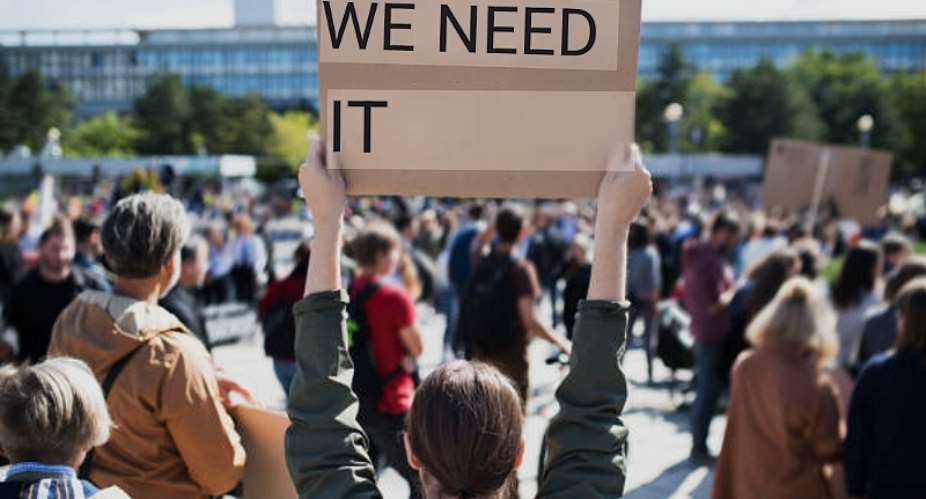
Supporters of the Ghana First Alliance argue that Ghana must prioritize its citizens and local businesses.
Their concerns include:
- Limited local ownership in strategic sectors.
- Perceived capital flight and profit repatriation.
- Environmental damage associated with some mining operations.
- Insufficient employment opportunities for local communities.
- The belief that Ghana's natural resources should primarily benefit Ghanaians.
Many believe the country has reached a stage where local participation must become the dominant force in resource extraction.
Potential Benefits for Ghana if the Government Listens
If the government adopts the proposal, supporters expect:
Increased Local Ownership
More mining concessions could become available to Ghanaian entrepreneurs and firms.
Greater National Control
The state could exercise greater influence over strategic natural resources.
Political Popularity
The government may gain support among citizens who feel excluded from the benefits of resource extraction.
Growth of Indigenous Businesses
Local companies may gain opportunities previously unavailable to them.
Potential Risks for Ghana
The decision could also carry significant risks.
Reduced Foreign Investment
International investors closely monitor government decisions. A refusal to renew licenses based on nationality could create concerns about investment security.
Job Losses
Thousands of Ghanaian workers are employed directly and indirectly by foreign-owned mining firms. Disruptions could affect livelihoods.
Reduced Government Revenue
Mining contributes significantly to taxes, royalties, and export earnings. Sudden changes could impact state finances.
International Legal Challenges
Affected companies may pursue arbitration or legal remedies under investment agreements.
Impact on South Africans
Negative Effects
- Potential loss of investments and assets.
- Reduced confidence among South African businesses seeking opportunities elsewhere in Africa.
- Job losses linked to operations in Ghana.
Possible Positive Effects
- South African firms may reassess business practices and strengthen local partnerships.
- Increased focus on mutually beneficial investment models across Africa.
Impact on Ghanaians
Positive Effects
- Increased calls for local ownership.
- Stronger economic nationalism.
- Potential opportunities for indigenous investors.
Negative Effects
- Possible reduction in employment.
- Economic uncertainty in mining communities.
- Reduced investor confidence.
- Potential diplomatic tensions affecting trade and tourism.
What Is the Government Likely to Do?
Historically, Ghana has balanced nationalism with investor protection.
The government is likely to consider:
- Existing contractual obligations.
- Investment protection agreements.
- Economic implications.
- Diplomatic relations with South Africa.
- Employment concerns.
Rather than outright rejection, authorities may seek stricter conditions for renewal, including higher local participation requirements, environmental compliance measures, and stronger community development obligations.
What Happens if the Government Refuses to Listen?
If authorities ignore the demands, several outcomes are possible:
Increased Public Demonstrations
Activist groups could organize larger nationwide protests.
Political Pressure
The issue could become a significant campaign topic during future elections.
Rising Nationalist Sentiment
Calls for economic reforms and resource nationalism may intensify.
Policy Reforms
Even if licenses are renewed, public pressure could force government to renegotiate terms and strengthen local content laws.
The Bigger Question
Perhaps the most important question is not whether South African companies should stay or leave.
The real question is:
Why do many resource-rich African nations remain dissatisfied with the outcomes of decades of foreign investment?
If billions of dollars have been extracted from African soil, why do many mining communities still lack quality schools, hospitals, roads, and employment opportunities?
This debate is bigger than Ghana. It reflects a growing continental conversation about ownership, fairness, sovereignty, and the future of Africa's economic development.
Conclusion
The Ghana First Alliance's demand represents more than a dispute over mining licenses. It is part of a broader struggle over who benefits from Africa's natural resources and how those benefits should be shared.
Whether the government agrees or disagrees, one thing is certain: the conversation has forced Ghanaians and South Africans alike to confront difficult truths about investment, development, and Pan-African unity.
The challenge now is finding a path that protects national interests without undermining economic stability, investor confidence, and the dream of African cooperation that generations fought so hard to achieve.
By:
Patrick Belebang Yagsori
+233240292413
[email protected]
 June 12: Cedi appreciates, sells at GHS12.50 on forex market, GHS11.06 on BoG in...
 'Unemployment requires deeper structural reforms, not slogans' – Stephen Amoah c...
 UE/R: Sandema flooded as heavy rains cut off major road
 Nigeria killed 13,000 'terrorists' in past year — President Tinubu
 Take the path to greatness through constitution review — Barker-Vormawor to Maha...
 Ghana evacuates over 500 citizens displaced by Abidjan demolition exercise
 Youth keep acquiring degrees with no end in sight due to lack of jobs — Sammi Aw...
 2026 World Cup: Black Stars arrive in Rhode Island for final phase of preparatio...
 Adu-Boahene trial: Prosecution witness denies claims of inter-branch fund transf...
 Sales boy captured on CCTV cameras stealing GH¢217,000 from employer jailed 36 m...


