




Stakeholders in Ghana’s sanitation sector are calling for an urgent transition from landfill‑dependent waste disposal to sustainable, engineered treatment systems, warning that persistent funding gaps threaten efforts to keep the Greater Accra Metropolitan Area (GAMA) clean and environmentally safe.
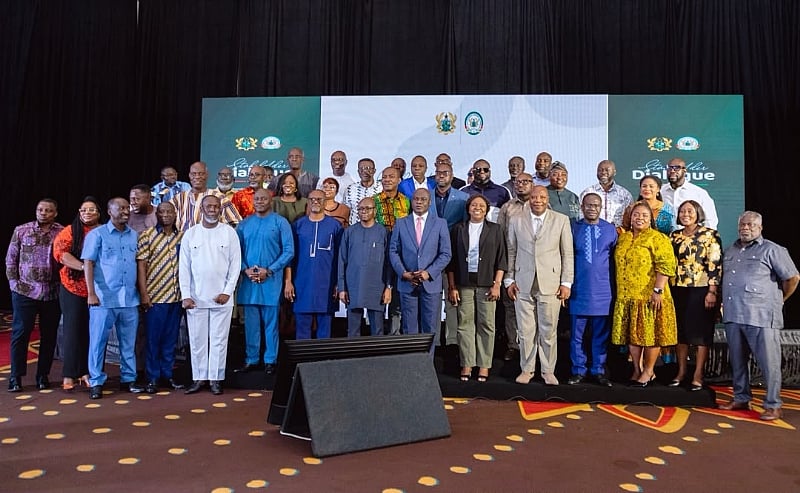
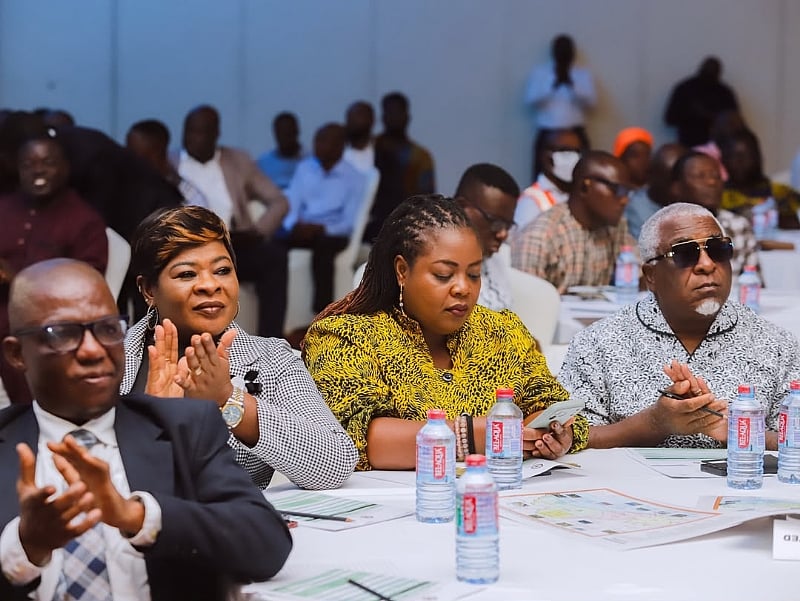
The call was made at a high‑level stakeholder dialogue on landfill and waste management held at the Kempinski Hotel Gold Coast City in Accra on Monday, June 8, 2026, under the theme “Alleviating Waste Disposal Crisis in Greater Accra.” The meeting brought together government officials, MMDCEs, sanitation experts, and private sector operators.
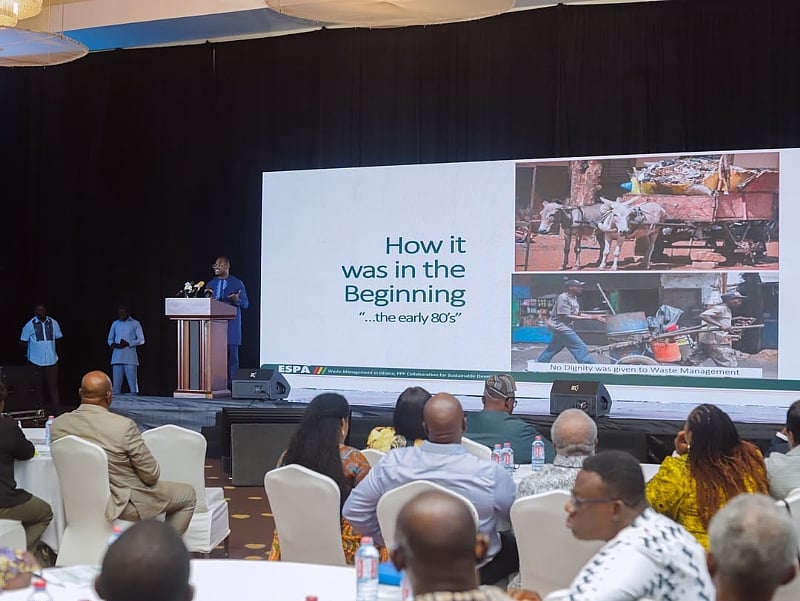
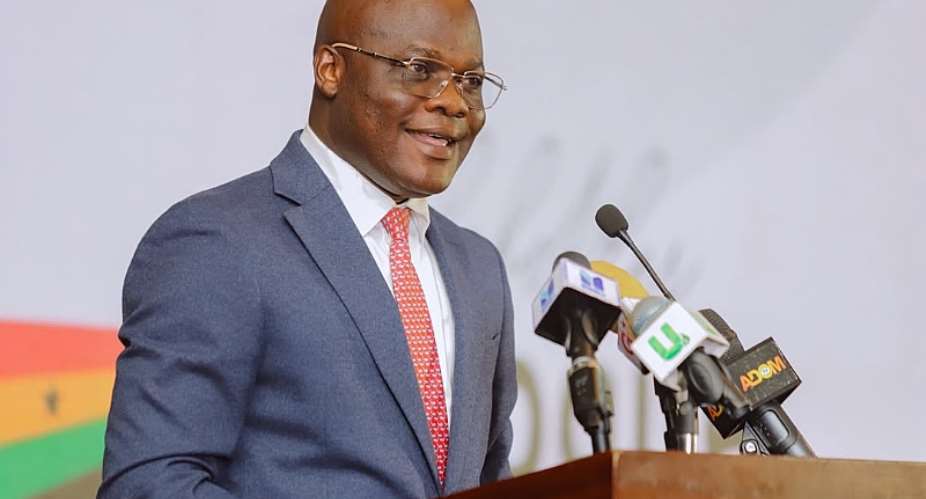
Delivering the keynote address, the Minister for Local Government, Chieftaincy and Religious Affairs, Ahmed Ibrahim, said rapid urbanisation and population growth continue to exert enormous pressure on existing waste infrastructure. He revealed that Ghana generates approximately 4,400 tonnes of solid waste daily—about 1.6 million tonnes annually—with an average collection rate of 80 percent.
The Minister warned that daily waste generation is expected to rise sharply over the next decade, making investment in modern treatment facilities a national priority. He stressed that sustainable financing remains the sector’s biggest challenge, noting that waste management cannot be left solely to market forces. He disclosed that discussions are underway with the Ministry of Finance to secure dedicated funding to settle outstanding debts owed to private waste management companies.
He also urged MMDCEs to take greater responsibility for sanitation outcomes, cautioning that even the most advanced facilities cannot operate effectively without adequate funding. Delayed payments, he warned, could trigger severe environmental and public health consequences.
Dr. Joseph Siaw Agyepong, President of the Environmental Service Providers Association (ESPA) and Executive Chairman of the Jospong Group of Companies, described Ghana’s reliance on landfills as outdated and ineffective. He noted that all 17 landfills constructed nationwide with international support reached full capacity within a decade.
He argued that modern waste systems must prioritise collection, transfer stations, recycling, and composting—reserving landfills as a last resort. He also highlighted challenges with revenue mobilisation, noting that although international benchmarks recommend household waste collection fees between $15 and $20 in lower‑middle‑income countries, operators in Ghana struggle with low recovery rates.
Despite these challenges, stakeholders pointed to Ghana’s growing reputation as a leader in environmental sanitation technology in Africa. The country now boasts more than 50 waste treatment and composting facilities, with Ghanaian firms providing expertise in countries such as Kenya and Ethiopia. Dr. Agyepong credited this progress to sustained investment in local capacity, revealing that sanitation service providers have trained hundreds of highly skilled professionals.
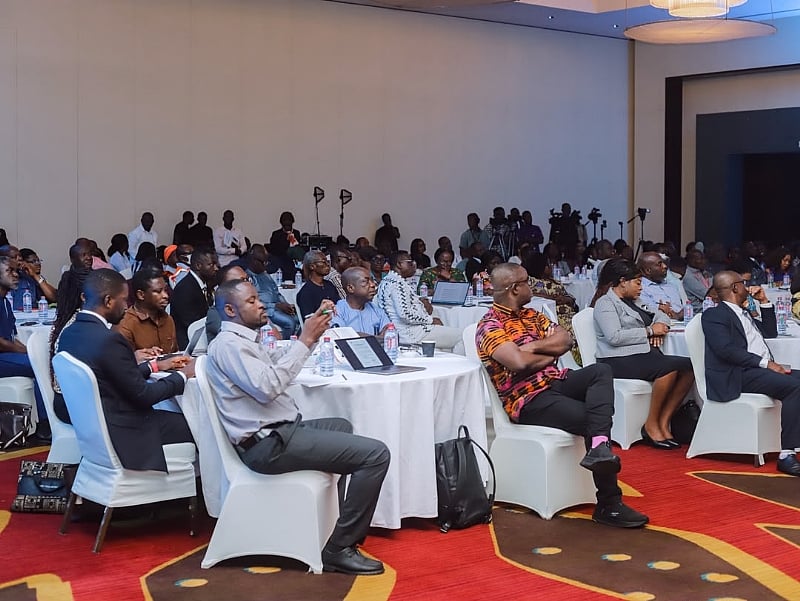
The Vice Dean of the MMDCEs, Dr. Michael Mensah, assured participants that local authorities remain committed to improving sanitation standards.
Research findings presented at the dialogue indicated that poor waste management costs Ghana more than GH¢6.2 billion annually through flood damage, healthcare expenses, and environmental degradation.
Participants concluded with a renewed commitment to strengthening collaboration between government, local authorities, and private service providers, emphasising that policy discussions must translate into sustainable financing mechanisms capable of keeping Accra and the wider GAMA area clean.
— CitiNewsRoom
 Mahama Pushes Ghana–Belarus Agro‑Tech Partnership To Modernise Agriculture
 Ato Forson is selfish, he wants to control everything – Miracles Aboagye
 Kevin Okyere admits Dubai detention, US$50 million Petraco drawdown
 Health Ministry says KATH CEO is suspended for two weeks as administrator, not d...
 'Stop accepting awards from questionable, self-appointed rating bodies' — Mahama...
 Gov’t hints at scrapping unlimited years of mining concession renewals
 Committee uncovers regulatory breaches, structural deficiencies in Madina buildi...
 We're introducing measures to reduce post-harvest losses — Mahama
 Flooding: Building owners who cut corners need to be sanctioned — Fuseini Donkor
 We need an overhaul of Ghana's drainage system — Edem Agbana on flood crisis


