




Mensah
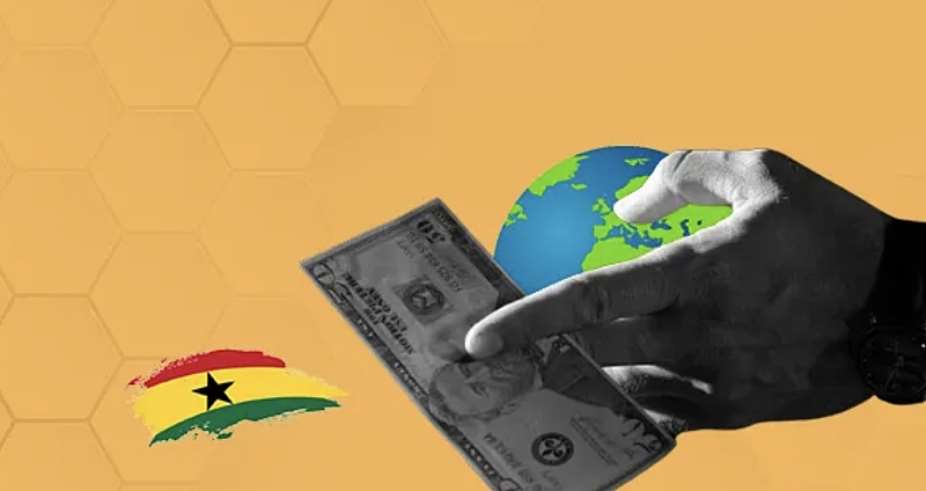
Accra, April 23, GNA– Remittances have long been the invisible thread binding Ghana's diaspora to its homeland. They sustain households, pay for education, and cover healthcare costs.
But beyond survival, these inflows are increasingly being recognised as a powerful lever for national development.
The National Development Planning Commission (NDPC), in partnership with the United Nations Economic Commission for Africa (UNECA), is championing a shift: moving remittances from consumption toward investment.
Their recent workshop held in Accra from April 21-23, 2026, brought together policymakers, researchers, economists, and development partners, to explore how Ghana can harness diaspora contributions for sustainable growth.
Remittances are financial transfers made by migrants to their families or communities in their home countries, typically sent through formal banking systems, money transfer operators, or informal channels.
They represent one of the most significant and stable sources of external finance for many developing economies.
According to Ratha (2003), remittances are “the portion of migrant workers' earnings sent back from the country of employment to the country of origin, usually to support family members.”
The World Bank defines personal remittances as the sum of personal transfers and compensation of employees, encompassing all current transfers between resident and nonresident individuals, and wages earned by workers employed outside their country of residence” (World Bank, 2024). 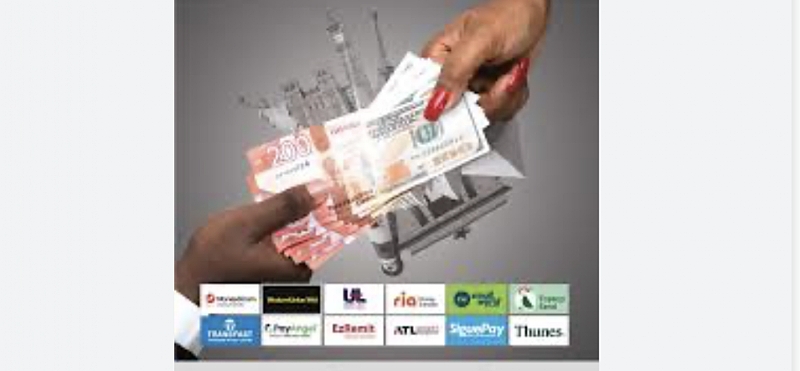
In 2025, Ghana received US$7.8 billion in remittances, nearly 7 percent of the country’s gross domestic product (GDP).
The World Bank emphasises that remittances are a critical source of external finance for many developing countries.
In 2023, global remittances totaled $656 billion, equivalent to the GDP of Belgium, and in over 60 countries they accounted for three per cent or more of GDP.
Currently, about 1.7 million Ghanaians are living abroad across more than 50 destinations, and remittance inflows have proven more resilient than foreign direct investment and official aid.
Yet, much of those funds were spent on immediate needs—food, rent, and school fees—rather than being channeled into enterprises that could create jobs and drive long-term economic growth.
Therefore, the National Development Planning Commission (NDPC), in partnership with the United Nations Economic Commission for Africa (UNECA), is calling for a deliberate shift in the use of remittances from household consumption to productive investment to accelerate Ghana's economic transformation.
Push for policy change in remittances’ use
Dr. Audrey Smock Amoah, the Director-General of NDPC, has underscored the need for Ghana to create policies that channel remittances into productive sectors.
“This presents a clear opportunity for us to better harness diaspora resources for sustainable development, job creation, and economic transformation,” she emphasised.
The NDPC Boss says recent assessments showed that migration issues are not consistently reflected in sectoral, regional, and district development plans and, therefore, underscored the need for a more coordinated approach in their collection and utilisation.
Meanwhile, Mr. Amadou Diouf,an Economic Affairs Officer at UNECA, told the Ghana News Agency in an interview in Accra that, remittances should be treated as a strategic pillar within national development frameworks.
He noted that Ghana is part of a broader multi-country project across six Africa countries, where UNECA is promoting a shared learning and best practices in the utilisation of migration and diaspora remittances for sustainable economic growth.
Some Success Stories
Miss Ama Asiedua, a nurse in London, who sends money home every month. For years, her remittances paid her younger siblings' school fees. Today, one of them graduated and used part of Ama's support to open a small pharmacy in Kumasi. What began as household consumption has evolved into enterprise development, creating jobs and serving the community.
In Tamale, Abubakar Yakubu, a maize farmer, expanded his maize farm, thanks to remittances from his brother in Italy. With better equipment and irrigation, Abubakar now supplies grain to local schools and markets.
His success story shows how remittances, when invested in agriculture, can strengthen food security and rural livelihoods.
For Efua Kwasima, a primary four teacher in Accra, remittances from her cousin in Canada funded her master's degree. She now trains other teachers, multiplying on the impact of that single investment.
Unlocking the potential of remittances
It is imperative to note that redirecting remittances towards investment could help finance small and medium-scale enterprises (SMEs) to drive employment creation.
It could also support startups and innovation hubs, as well as funding infrastructure projects in housing, energy, and transport and build resilience against global economic shocks.
The Road Ahead
The challenge now lies in creating incentives such as diaspora bonds, tax breaks, and accessible financial instruments, which encourage investment in the local economy.
Ghana's remittance story is now shifting from survival to transformation. Therefore,with the right policies and active diaspora engagement, remittances can become more than household lifelines. They can be the cornerstone of national development, fueling a future of shared prosperity and sustainable growth.
Top dive Diaspora investment opportunities in Ghana
The real estate andconstruction is quickly fuelling rapid urbanisation in Accra and Kumasi. Therefore, remittances could help solve the limited accommodation challenge.
Additionally, agriculture and agribusiness remain the backbone of Ghana's economy, with strong export potential.
Hence, diaspora investors can explore crop farming (cocoa, maize, oil palm), agro-processing, poultry, logistics, and packaging.
Technology & ICT
Ghana's youthful population and growing digital economy make technology a promising sector. Opportunities lie in fintech, and e-commerce and investing diaspora remittances could boost Ghana’s economy tremendously.
Tourism & Hospitality
Ghana's rich culture, heritage sites, and the momentum from initiatives like the “Year of Return” attract global visitors.
Therefore, investment opportunities include hotels, resorts, eco-tourism, cultural events, and travel services. Using remittances to expand such facilities would be a worthwhile investment.
Energy and renewable resources
With government support for renewable energy, this sector offers long-term growth potential and will not be a waste to channel diaspora remittances towards that sector.
Investing diaspora remittances in Ghana's economy offers a powerful pathway to sustainable growth. While remittances have traditionally supported household consumption, channeling them into productive sectors such as real estate, agriculture, technology, tourism, and renewable energy can generate jobs, stimulate enterprise development, and strengthen infrastructure.
This shift transforms remittances from short-term survival funds into long-term capital for national transformation.
By creating policies and incentives that encourage investment—such as diaspora bonds, tax breaks, and transparent financial instruments—Ghana can harness the resilience and scale of remittance inflows to reduce poverty, diversify its economy, and build resilience against global shocks. In essence, diaspora remittances, when strategically invested, become not just a lifeline for families but a cornerstone for national development and shared prosperity.
---GNA
 NaIMOS arrests 49 suspected illegal miners after armed clash at Adiewoso
 Upper East Regional Minister leads technical assessment for proposed airport pro...
 Missing car dealer found dead as police arrest friend over alleged murder
 Teacher Sir Ola shares inspiring story of sacrifice and compassion
 Extreme heat is a growing threat to health, jobs and food security in southern A...
 Mali lawyer critical of junta abducted overnight
 Two women die on migrant boat near France seeking to reach UK
 Iran offers strait deal, Trump says he's not satisfied
 How faulty fan regulator sparked fire, destroyed two rooms at Suhum Konfine
 Don’t store bread beyond four days – Baker advises


