




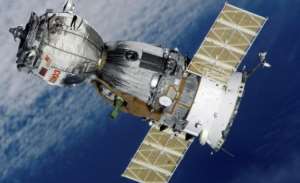
Russia is exploring cooperation with the Alliance of Sahel States a political-military bloc formed by Mali, Niger, and Burkina Faso to develop and launch a shared telecommunications satellite that would serve the vast Sahel region of West Africa. The initiative reflects expanding ties between Moscow and the Sahelian military governments at a time when Western influence in the region has declined.
What’s Being Discussed
In late January 2026, Russian and Burkinabè officials met in Ouagadougou to explore cooperation on a Russian-built telecommunications satellite for the Alliance. The discussions, which involved Russia’s ambassador and Burkina Faso’s prime minister, focused on how Russian space technology could be used to support telecommunications, connectivity, governance, and security across the Sahel.
This idea is part of a broader proposal that dates back to earlier talks in 2024, when ministers from Mali, Niger, and Burkina Faso held consultations with Russia’s space agency on joint projects, including satellites for telecommunications and remote sensing essentially giving the bloc a platform for regional communications, surveillance, and data services independent of external powers.
Why It Matters
For the Alliance of Sahel States, which was formed partly in response to tensions with Western regional bodies such as ECOWAS and the withdrawal of traditional partners like France, a satellite project represents more than just infrastructure:
Strategic autonomy: A dedicated satellite could strengthen the bloc’s control over critical communications, including government networks and emergency services, reducing reliance on foreign systems.
Security enhancements: By enabling better coordination across borders especially in remote areas satellite connectivity could help monitor insurgent movements and support military and civil planning.
Technological independence: Control of telecommunications infrastructure symbolizes a step toward achieving regional sovereignty over information and data flows.
For Russia, the project provides an opportunity to deepen political and technological ties with West African governments that have sought new partners amid deteriorating relations with Western powers. It also positions Moscow as a provider of advanced technology not just military support which could extend its influence in Africa’s strategic Sahel belt.
Regional and Geopolitical Context
The Alliance of Sahel States, established in July 2024 by Mali, Niger, and Burkina Faso, emerged after mutual defense commitments and a collective withdrawal from the Economic Community of West African States (ECOWAS). The alliance’s priorities include strengthening security cooperation, integrated governance, and economic autonomy. Of these, enhancing telecommunications especially through satellite technology is seen as a major step toward functional sovereignty in a region where terrestrial infrastructure is weak and cross-border security threats remain high.
Security challenges in the Sahel are significant: a series of jihadist insurgencies and sprawling border regions have made reliable communication platforms essential for both civilian services and military coordination. Partnering with Russia on a satellite project signals a shift toward non-Western technological partnerships and recognition that existing infrastructure options may be insufficient.
What Comes Next
At this stage, the project remains at the discussion and planning phase. Formal agreements, technical assessments, cost estimates, and launch plans have not yet been publicized. However, the very fact that such talks are underway indicates a growing strategic alignment between Russia and the Sahelian militaries. If finalized, the satellite initiative would mark a landmark cooperation potentially transforming how the Sahel manages communications and surveillance, and underscoring Russia’s role as a key external partner for the Alliance.
In Summary
Russia and Burkina Faso have discussed a shared telecommunications satellite project for the Alliance of Sahel States.
The initiative builds on earlier talks involving Mali, Niger, and Russian space agencies on satellites for communications and remote sensing.
If pursued, the project could enhance regional connectivity, security, and autonomy, while broadening Moscow’s geopolitical footprint in West Africa.
Mustapha Bature Sallama.
Medical/ Science Communicator,
Private Investigator, Criminal investigation and Intelligence Analysis.
International Conflict Management and Peace Building.USIP
[email protected]
+233-555-275-880

 KMA Deploys Vacuum Sweepers to Tackle Dust, Waste and Flooding in Kumasi
 UCC Probes Death of Level 200 Student Found at Hutchland Beach
 BoG Cracks Down on Crypto Dollar Wallets; Orders Banks to Cut Ties Immediately
 BoG Extends IMTO Registration Deadline to July 31 — Non‑Compliant Operators Face...
 Ato Forson Pushes for New ‘Auditors’ Court’ to Tackle Waste, Strengthen Accounta...
 Big Payout, Big Changes: MMMF Declares 30p Dividend, Endorses New Board
 C/R: Missing UCC student found dead at Hutchland Beach
 Man collapses and dies in front of pharmacy at Abura in Cape Coast
 Gov’t Should Have Anticipated Partey Visa Trouble — Asafo-Adjei Ayeh Fires
 Swiss Vote on Population Cap Sparks Fierce Immigration Debate Ahead of Sunday Re...


