




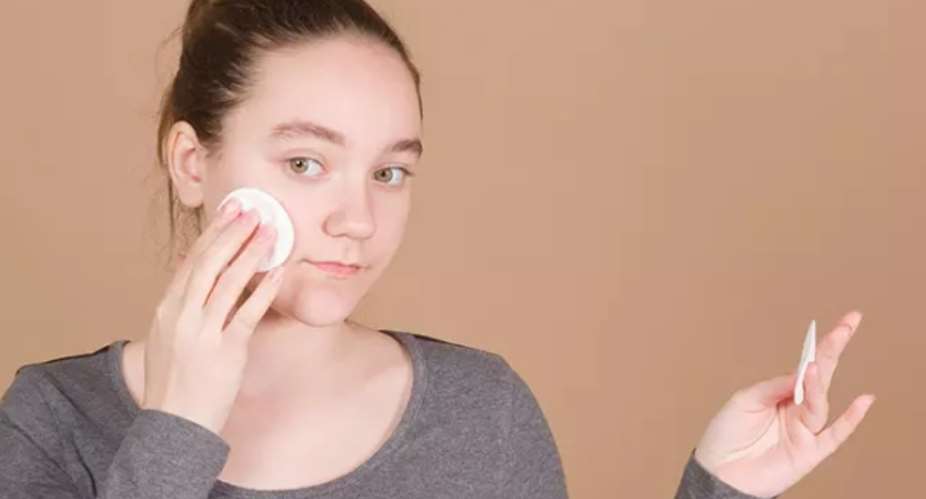
Many parents grew up hearing comments like “Mi ba’a ye korkor” a phrase used to remark on or criticize a child’s darker skin. Even when said jokingly or casually, these words can create deep insecurity in a young mind.
Today’s teenagers live in a world full of social media pressure, beauty filters, and comparison. A single comment about their skin tone can push them toward trying skin toning or bleaching creams sometimes secretly and sometimes out of fear they won’t be accepted as they are.
As parents, we need to understand:
Skin bleaching is not harmless. It is one of the most dangerous beauty practices a teenager can engage in.
How Parents (Often Without Realizing It) Influence a Child’s Fear of Skin Color
Children listen to everything. A passing comment about being “too dark” can stay in their heart for years.
Common phrases that harm a teen’s self-esteem include:
“Mi ba’a ye korkor.”
“You’re getting too dark in the sun.”
“Your sister is fairer.”
“You would look nicer if your skin was lighter.”
Even when parents don’t mean it negatively, the child hears:
“My natural skin is not good enough.”
This emotional pressure is one of the biggest drivers of teenage skin bleaching.
Why Teenagers Start Bleaching
Teenagers bleach because they feel:
Judged for their complexion rejected or teased by peers or relatives Pressured by beauty standards on social media anxiety about not fitting in curious about “quick-fix” creams friends use Insecure about acne or uneven tone
Many parents think their child is “too young” to worry about skin color.
but teenagers are more sensitive, aware, and influenced than we realize.
The Dangerous Ingredients Hidden in Bleaching Products
Many bleaching creams contain:
Mercury (causes brain and kidney damage)
Hydroquinone (can cause permanent skin damage)
High-potency steroids (can harm the whole body)
Unlabeled toxic chemicals
Most of these products are sold without regulation, especially in beauty shops and on social media. Parents often don’t know what their children are secretly using.
How Bleaching Damages a Teen’s Skin and Health
Permanent Skin Damage
Thin, fragile skin
Stretch marks
Visible veins
Dark patches
Uneven tone
Serious Health Risks
Mercury poisoning
Kidney problems
Hormonal imbalance
Immune system weakening
High blood pressure (from strong steroids)
Growth and development concerns
Teenage bodies are still growing.
Exposing them to strong chemicals can create lifelong health complications.
The Emotional Damage Parents Often Don’t See
Beyond the physical harm, bleaching impacts a child’s self-worth.
Teens may feel:
“My natural skin is not beautiful.”
“I need to change myself to be accepted.”
“Dark skin is a problem.”
“My parents prefer lighter skin.”
Parents may never hear these words, but children feel them deeply.
How Parents Can Protect Their Children
A. Stop color-based teasing or comparisons
Retire phrases like:
“Mi ba’a ye korkor.”
“Look how dark you’ve become.”
“Your sibling is fairer.”
Even if meant as a joke, it leaves scars.
Praise your child’s natural beauty
Tell them:
“Your skin color is beautiful.”
“Melanin protects and strengthens your skin.”
“You don’t need to change yourself to look nice.”
Confidence begins at home.
Teach proper skincare
Many teens use bleaching because they want:
Clearer skin
Fewer pimples
Even tone
Guide them toward safe solutions:
Mild cleansers
Moisturizers
Sunscreen
Dermatologist-approved products
Watch for warning signs of bleaching
Look for:
Sudden lighter patches
Strong-smelling lotions
Hidden creams from “beauty shops”
Skin thinning or strange reactions
Open conversations without judgment
Ask gently:
“Is anyone making comments about your skin?”
“Do you feel pressure to look a certain way?”
“Are you using any new creams?”
Teens open up when they feel safe, not scared.
Seek medical help early
If you suspect bleaching, a dermatologist can reverse early damage and guide the child to healthier routines.
A Message to All Parents
Your words shape your child’s identity.
Your approval shapes their self-esteem.
Your guidance can protect them from dangerous beauty pressures.
Children do not need lighter skin.
They need:
Love
Validation
Confidence
A home where their natural self is celebrated
Help your child understand:
Their melanin is strength, beauty, and heritage not something to fear or erase.
Mustapha Bature Sallama
Medical Science communicator.
Private Investigator and Criminal
Investigation and Intelligence Analysis,
International Conflict Management and Peace Building. Alumni Gandhi Global Academy United States Institute of Peace.
[email protected]
+233-555-275-880

 Ghana Christian University College President jailed for contempt of court
 Court strikes out application by defendants to dismiss East Legon property case
 CSOs urge Supreme Court to uphold legality of OSP
 Kpone Katamanso MCE condemns cattle invasion of school in viral video
 President Mahama calls for new Ghana-EU partnership driven by trade, investment ...
 Govt has distributed 1.7 million poultry birds under Nkoko Nkitsinkitsi — John D...
 Adu-Boahene trial: Prosecution witness denies claims of inter-branch fund transf...
 Sales boy captured on CCTV cameras stealing GH¢217,000 from employer jailed 36 m...
 'Non-tariff barriers are hurting African trade' — Trade Minister calls for seaml...
 Lawyer Andy Appiah Kubi dumps Chairman Wontumi ahead of galamsey judgment


