




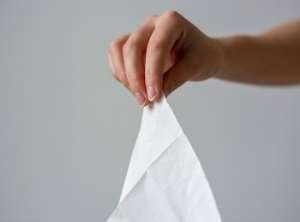
For centuries, the handkerchief was a small but indispensable part of daily life a neatly folded piece of cloth tucked in pockets and purses for wiping sweat, cleaning faces, or blowing noses. Yet, over the last century, tissue paper has quietly and almost completely taken over its role in most parts of the world. This transformation reflects not only changes in hygiene standards but also shifts in technology, convenience, and cultural attitudes toward cleanliness.
From Cloth to Paper: A Brief History
The handkerchief has ancient origins. Civilizations such as the Romans and Egyptians used cloths to wipe sweat and signal social status. In Europe, by the 17th and 18th centuries, the handkerchief was both a fashion accessory and a personal hygiene tool, often embroidered and perfumed. The invention of disposable tissue paper, however, revolutionized personal hygiene.
In 1924, the Kleenex brand (by Kimberly-Clark) introduced disposable tissues, originally marketed as makeup removers. By the 1930s, advertising campaigns began promoting tissues as a “disposable handkerchief,” encouraging people to “use it once and throw it away.” This idea aligned perfectly with the growing 20th-century emphasis on modern hygiene and germ prevention.
Hygiene Revolution: The Science Behind the Shift
One of the main reasons tissue paper replaced handkerchiefs is public health awareness. Using a reusable cloth to blow one’s nose or wipe sweat meant germs stayed on the fabric, potentially spreading infections when reused or kept in pockets. With the rise of diseases like influenza and tuberculosis in the early 20th century, doctors began to recommend single-use tissues as more sanitary alternatives. Disposable tissues thus became a symbol of cleanliness a modern, science-backed improvement over the old cloth handkerchief.
Convenience and Lifestyle Changes
Modern life also demanded convenience. Tissue paper fit perfectly into fast-paced urban living:
It is lightweight, disposable, and easily accessible.
It eliminated the need to wash and dry handkerchiefs. Tissue products diversified facial tissues, paper towels, toilet paper, and pocket tissues serving multiple hygiene needs. The handkerchief, once a staple of elegance and etiquette, began to feel old-fashioned in comparison to the clean, disposable, and modern image of tissues.
Cultural and Environmental Perspectives
The shift also reflects cultural values. In Western and urban African societies, tissues are associated with modernity and sophistication. Even in countries like Ghana, Nigeria, and India, where cloth handkerchiefs remained common for decades, tissue paper became a marker of urban lifestyle and improved hygiene.
However, the transition has raised environmental concerns:
Disposable tissues contribute to paper waste and deforestation, while handkerchiefs are reusable and sustainable. Modern sustainability movements are now encouraging eco-friendly alternatives, such as tissues made from recycled paper or bamboo fiber, and even a partial return to washable cloth napkins.
The Emotional and Social Element
For some people, the handkerchief still holds sentimental value a token of nostalgia, elegance, or romance (think of embroidered handkerchiefs exchanged as gifts). But for the majority, hygiene and practicality have taken precedence over sentiment. The tissue paper, once a novelty, is now so essential that it appears in homes, cars, restaurants, and schools an invisible symbol of our hygienic modern world.
Conclusion
The replacement of handkerchiefs by tissue paper is more than just a change in habit; it mirrors the evolution of human hygiene, technology, and culture. Disposable tissue paper represents a world that prioritizes health, convenience, and cleanliness though at an environmental cost that modern society must now address. From the elegant cloth of old to the soft paper of today, our approach to hygiene continues to reflect who we are and what we value.
Mustapha Bature Sallama
Medical/Science communicator ,Private Investigator, Criminal Investigation and Criminal Analysis
International Conflict management and Peace Building Alumni Gandhi-King Global Academy United State Institute of Peace Building USIP

 VIDEO: Watch the only community toilet carried away by floods
 Sedina Tamakloe unwell and currently under house arrest – Franklin Cudjoe disclo...
 Ofaakor Court remands suspect, grants GH¢70,000 bail to accomplice over vehicle ...
 We don’t owe Tema Motorway contractor any amount of money — Agbodza
 Swift response by Saki High Tension residents helps contain warehouse blaze in K...
 Bank of Ghana converts 147 rural and community banks into community banks
 Five fake soldiers grabbed for armed robbery at Ashanti mining community
 Bawumia appoints Kyei-Mensah-Bonsu as Chief of Staff as he restructure his offic...
 Sam George announces major reduction in MTN Fibre broadband prices effective Jun...
 Concerned citizen gives EC seven-day ultimatum over Anyako by-election delay


