




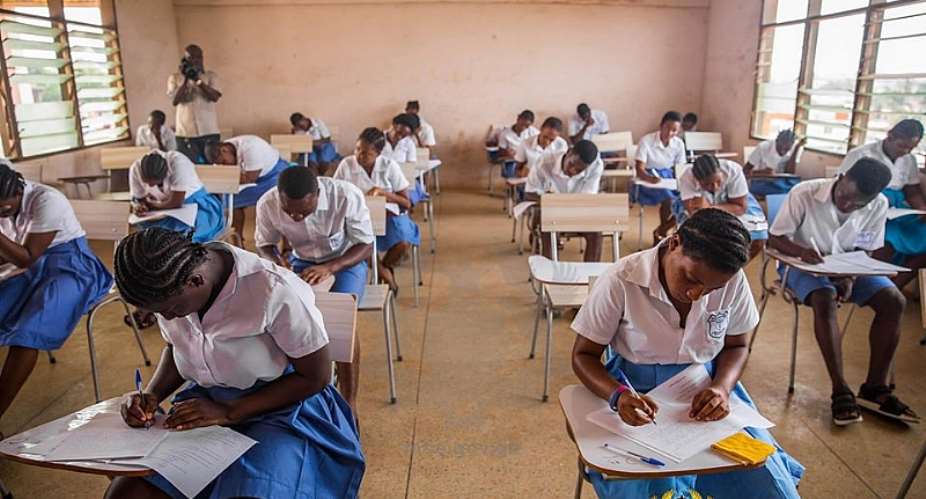
Exam malpractice has become a serious issue in Ghana’s education system, with allegations of cheating leading to the withholding of WASSCE results for many students. The West African Examinations Council (WAEC) frequently cites examination irregularities as the reason for delaying or canceling results. This has sparked a debate: Should cameras be installed in all BECE and WASSCE exam halls to curb malpractice?
The Problem: Rampant Examination Malpractices
Despite strict regulations, cases of cheating, impersonation, and leaked exam questions persist in Ghana. Some students engage in malpractice due to pressure to pass, while others are influenced by corrupt invigilators or external forces. The consequences of these actions include:
- Withholding or cancellation of results, affecting students’ ability to progress to higher education.
- A loss of credibility for Ghana’s education system, as exam fraud damages the reputation of WASSCE and BECE certificates.
- Unfair advantages, where undeserving students score high grades while hardworking students are disadvantaged.
Can Cameras Solve the Problem?
Installing surveillance cameras in exam halls could help address this issue by:
- Deterring Cheating – The presence of cameras would discourage students, invigilators, and external actors from engaging in malpractice.
- Providing Evidence – Video footage can help WAEC verify allegations of cheating before deciding to withhold or cancel results.
- Enhancing Transparency – Schools, parents, and students will have more trust in the examination process.
Challenges of Installing Cameras in Exam Halls
While cameras seem like a good solution, there are several challenges:
- High Cost – Installing and maintaining surveillance cameras in all exam centers across Ghana would require significant investment.
- Privacy Concerns – Some may argue that constant surveillance violates students' rights.
- Power and Connectivity Issues – Many schools, especially in rural areas, lack reliable electricity and internet to support a surveillance system.
The Way Forward
Instead of solely relying on cameras, Ghana can strengthen its anti-cheating measures through:
- Stricter supervision and invigilator training.
- Harsh penalties for schools and individuals involved in exam fraud.
- Digital exams with anti-cheating software.
- Public education on the importance of academic integrity.
While installing cameras in BECE and WASSCE exam halls could help reduce cheating and prevent result cancellations, it is not a foolproof solution. Ghana must combine technology, strict enforcement, and education reforms to ensure a credible and fair examination system. Only then can students confidently receive their hard-earned results without fear of being withheld.
Frank Agyekum
[email protected]

 KMA Deploys Vacuum Sweepers to Tackle Dust, Waste and Flooding in Kumasi
 UCC Probes Death of Level 200 Student Found at Hutchland Beach
 BoG Cracks Down on Crypto Dollar Wallets; Orders Banks to Cut Ties Immediately
 BoG Extends IMTO Registration Deadline to July 31 — Non‑Compliant Operators Face...
 Ato Forson Pushes for New ‘Auditors’ Court’ to Tackle Waste, Strengthen Accounta...
 Big Payout, Big Changes: MMMF Declares 30p Dividend, Endorses New Board
 C/R: Missing UCC student found dead at Hutchland Beach
 Man collapses and dies in front of pharmacy at Abura in Cape Coast
 Gov’t Should Have Anticipated Partey Visa Trouble — Asafo-Adjei Ayeh Fires
 Swiss Vote on Population Cap Sparks Fierce Immigration Debate Ahead of Sunday Re...


