




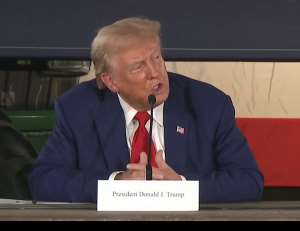
In a remarkable political shift, Donald Trump has returned to the U.S. presidency, bringing with him an agenda focused on boosting fossil fuel industries such as oil, natural gas, and coal. The Republican-led Senate is likely to support his energy policies, which aim to reverse many climate-driven regulations and favor energy independence. With the U.S. poised to adopt a pro-fossil-fuel stance, analysts are now speculating on how Trump’s administration will influence the energy landscape, from natural gas to global oil markets.
Natural Gas Sector: Positioned for Growth
With Trump back in office, the natural gas market anticipates significant changes. Traders and investors are optimistic, expecting that the new administration will adopt policies that encourage domestic production and ease restrictions on drilling and infrastructure. Trump’s previous term saw extensive deregulatory efforts in the energy sector, and his return is expected to revive this approach. Energy groups are hopeful for streamlined permitting processes for drilling on federal lands, which could lower costs and fuel growth in natural gas production.
Trump’s longstanding support for fossil fuels aligns well with the natural gas sector’s push for energy independence. His policies could accelerate both exploration and infrastructure development, particularly in transportation and pipeline construction. If realized, these policies could not only bolster domestic production but also attract investment from industry stakeholders looking to expand U.S. natural gas exports.
Oil Market Implications: Opportunities and Risks
Trump’s energy agenda could have mixed effects on the global oil market. While his “energy dominance” policy aims to increase U.S. oil production, this could flood the market, putting downward pressure on global oil prices. Initial reactions following Trump’s election saw a dip in oil prices as the U.S. dollar strengthened. Many experts believe Trump’s increased production efforts will reduce international demand for U.S. oil imports, adding to global supply and potentially challenging other oil-exporting nations.
Despite these challenges, certain other factors may arise. Trump’s firm stance on imposing sanctions on Iran and Venezuela could reduce oil supplies from these nations, creating potential price support for U.S. oil exports. Nevertheless, with an emphasis on bolstering domestic production, Trump’s policies may result in a competitive yet stable market, with the U.S. as a dominant player.
Renewable Energy and Climate Policies: Uncertain Future
Trump’s approach to energy policy is expected to put significant pressure on the renewable energy sector. A vocal critic of climate policies, Trump has long been skeptical of green energy’s economic returns and impact on jobs. His administration is likely to roll back several clean energy initiatives, including Biden’s Clean Power Plan and stricter emissions standards. This could delay or even halt new renewable energy projects, particularly in offshore wind energy, which Trump has expressed concerns about due to potential environmental impacts.
Trump’s skepticism toward green energy could also affect U.S. commitments to international climate agreements. During his first term, he announced the U.S. withdrawal from the Paris Climate Agreement, a decision that delayed the country’s exit until late 2020. If he attempts to remove the U.S. from the agreement again, the process will take at least a year, but it would remove the country from its treaty obligations, potentially weakening global climate action efforts.
The Outlook for LNG Exports
The liquefied natural gas (LNG) export sector is likely to see considerable expansion under Trump’s administration. With a commitment to increasing energy independence, Trump is expected to lift restrictions on new LNG export permits, opening the door for more export projects. Companies like Venture Global LNG, Energy Transfer, and Commonwealth LNG stand to benefit as Trump’s policies could facilitate new ventures and increased LNG export volumes.
Given rising demand for LNG in Asia and other regions, this could establish the U.S. as a key global player in the LNG market. By supporting domestic production and export initiatives, Trump’s administration could unlock substantial economic opportunities within the U.S. energy sector, catering to growing international demand and positioning the U.S. as a significant energy supplier worldwide.
Challenges for Oil and Gas Expansion
Despite the anticipated easing of regulations, the oil and gas industry faces challenges in expanding domestic production. Goldman Sachs has noted that even with favorable policies, several factors could limit short-term production increases. The strategic petroleum reserve is currently at lower levels, and rising production will require time to impact the supply chain fully. Additionally, if global demand remains stable, prices are expected to stay within a moderate range of $75 to $90 per barrel by 2025, depending on market adjustments from OPEC and other geopolitical influences.
A ‘Drill, Baby, Drill’ Mindset: What’s Ahead for U.S. Hydrocarbons
In his return to office, Trump has made it clear that boosting U.S. oil and gas production is a priority. During his acceptance speech, he highlighted America’s vast hydrocarbon resources, declaring that the U.S. has more reserves than even Saudi Arabia and Russia. Trump’s agenda aims to return the U.S. to what he describes as “energy independence,” with expectations of relaxed regulations around exploration and licensing.
Although U.S. hydrocarbon production reached record highs under the Biden administration, driven by increased fracking and exploration in the Gulf of Mexico, Trump’s policies may push these numbers even higher. U.S. producers are anticipating relaxed exploration and licensing requirements, though experts caution that the regulatory changes may not yield immediate production boosts. Over time, however, a pro-fossil-fuel administration could further consolidate America’s role as the world’s top oil producer, with most production refined and used domestically.
Green Energy Resistance and Economic Implications
Trump’s administration has long been critical of green energy, questioning both its cost-effectiveness and its environmental benefits. This skepticism, coupled with a history of regulatory rollbacks, suggests that clean energy funding may face cuts and projects could be delayed. As with his previous term, Trump’s approach to green energy is expected to emphasize traditional energy sources over wind, solar, and other renewable technologies.
During his first term, Trump pulled the U.S. out of the Paris Agreement, a symbolic departure that was later reversed by the Biden administration. However, if Trump decides to repeat this withdrawal, it would signal a major shift in U.S. climate commitments and could diminish momentum on both national and international climate action initiatives.
Conclusion: Trump’s Energy Vision for America
Trump’s return to power heralds a new chapter in U.S. energy policy, one that prioritizes fossil fuels, deregulation, and energy independence. While short-term factors like mild weather may moderate natural gas demand, long-term prospects for the sector look promising under Trump’s pro-production policies. Similarly, the oil market may experience competitive dynamics, with the U.S. increasing its share of production and exports. Clean energy initiatives, on the other hand, face a more uncertain future as Trump’s policies shift focus back toward traditional energy sources.
For industry stakeholders, Trump’s victory represents an opportunity to capitalize on deregulation and increased domestic production, potentially reshaping the U.S. energy landscape. By facilitating an environment that favors fossil fuels, Trump’s administration may bring lasting changes, positioning the U.S. as an energy powerhouse while potentially affecting global energy markets and climate policies for years to come.


 Ayitey Powers arrested over alleged death threat against Yaw Ampofo Ankrah
 It lies with Sammy Gyamfi to prove his extortion allegation against Afenyo-Marki...
 ‘I’m ready to submit myself for investigation into Sammy Gyamfi extortion allega...
 Osahen Afenyo-Markin sues Sammy Gyamfi, others over extortion allegation
 CID yet to submit report on alleged assassination attempts on Kissi Agyebeng – M...
 NDC’s ‘love’ will soon end as Ghanaians demand results — Bryan Acheampong
 Court adjourns Tuba murder case to September 28 as Police prepare to forward doc...
 Mother seeks justice after four daughters allegedly abused by father at Gomoa Do...
 Muntaka reveals how prime suspect in 2024 Tolon election violence wins NPP const...
 'I have not landed GoldBod contract to provide platform for buying and selling g...

