




Introduction
My children cannot write their own language, Ghanaian language as its used to be in those days, we write and know the alphabets. Are we losing it in the name of technology?
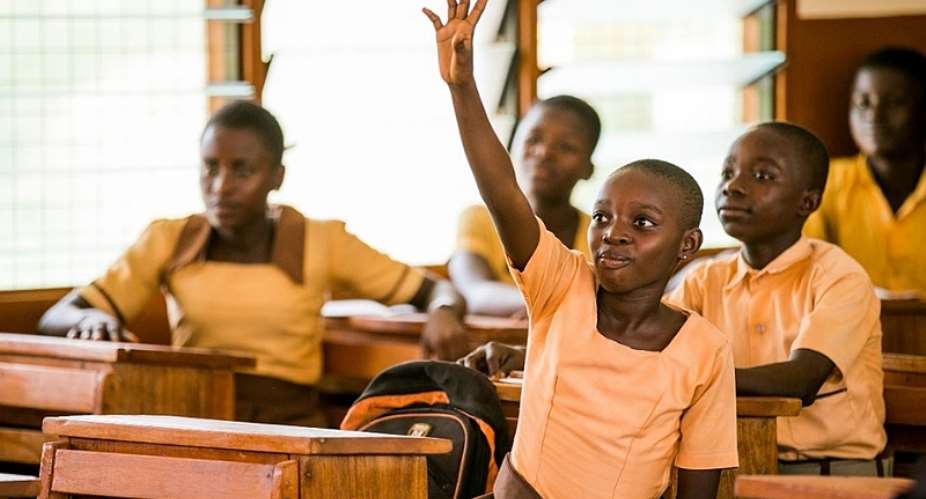
Ghana, a country rich in cultural heritage and linguistic diversity, boasts a multitude of ethnic groups and languages. Among these languages, Ghanaian languages hold a special place as they represent the roots and identity of the Ghanaian people. However, in recent years, there has been a noticeable decline in the teaching and writing of Ghanaian languages in basic and senior high schools across the country. This concerning trend can largely be attributed to the shortage of Ghanaian language teachers, which hampers the preservation and promotion of these languages in educational institutions.
The Importance of Ghanaian Languages
Ghanaian languages, such as Twi, Ga, Ewe, Fante, Dagbani, etc. are not just tools of communication but also essential components of Ghana's cultural and national identity. They carry historical narratives, proverbs, traditions, and cultural values that foster a sense of belonging and pride among Ghanaians. By learning and appreciating these languages, students can develop a deeper understanding of their heritage and connect with their roots.
The Collapse of Teaching and Writing Ghanaian Languages
Limited Resources and Investment: One of the primary reasons for the decline in the teaching and writing of Ghanaian languages is the lack of resources and investment in language education. Ghanaian languages are often overshadowed by English, which is considered the official language and given priority in the education system. Consequently, there is a shortage of teaching materials, textbooks, and curriculum development specifically tailored to Ghanaian languages.
Shortage of Qualified Teachers: The scarcity of Ghanaian language teachers is a significant contributing factor to the collapse of language education in basic and senior high schools. Many qualified language teachers opt for other subjects due to better employment prospects and higher salaries. Consequently, schools often resort to assigning non-specialized teachers or instructors who lack the necessary proficiency and expertise to effectively teach Ghanaian languages.
Negative Perception and Stigma: In some instances, Ghanaian languages are stigmatized and seen as inferior to English or other foreign languages. This perception can discourage students from pursuing Ghanaian language studies, leading to a lack of interest and engagement in language learning. Additionally, parents and students often prioritize English proficiency over Ghanaian languages, further perpetuating the decline of language education.
The Consequences and Impact
The collapse of teaching and writing Ghanaian languages in basic and senior high schools carries several negative consequences for Ghanaian society:
Erosion of Cultural Heritage: The diminishing emphasis on Ghanaian languages in schools risks the erosion of cultural heritage and the loss of linguistic diversity. This undermines the transmission of traditional knowledge, cultural practices, and values that are embedded within these languages.
Weakening of National Identity: Language is an integral part of national identity. Neglecting Ghanaian languages weakens the sense of belonging and cultural pride among Ghanaians, particularly the younger generation. This can lead to a disconnection from their heritage and an increased influence of foreign cultures.
Impeded Language Development: The lack of emphasis on Ghanaian languages in schools hampers language development and proficiency among students. Without proper language education, students may struggle to communicate effectively in their mother tongues and completely lose the essence of writing, leading to a loss of linguistic skills and fluency.
Recommendations
To address the crisis in teaching and writing Ghanaian languages in basic and senior high schools, the following recommendations should be considered:
Increase Investment: The government and for that matter the Ghana Education Service in collaboration with the Ministry of Education and educational institutions should allocate more resources to the development of teaching materials, curriculum design, and teacher training programs specifically tailored to Ghanaian languages.
Promote Teacher Specialization: Encourage and incentivize qualified teachers to specialize in Ghanaian languages by offering competitive salaries, professional development opportunities, and career advancement prospects.
Promoting teacher specialization in teaching Ghanaian languages requires a multi-faceted approach that involves government initiatives, policy changes, and incentives to attract and retain qualified teachers. Here are some strategies the government can adopt to promote teacher specialization:
Develop Specialized Training Programs: The government can collaborate with universities and teacher training institutions to establish specialized training programs for Ghanaian language teachers. These programs should focus on enhancing linguistic proficiency, pedagogical techniques, and cultural knowledge related to Ghanaian languages. Offering scholarships or grants for aspiring language teachers can incentivize individuals to pursue specialization in Ghanaian language education.
Provide Professional Development Opportunities: Continuous professional development is crucial for teachers to stay updated with the latest teaching methodologies and language advancements. The government should organize workshops, seminars, and conferences specifically tailored to Ghanaian language teachers. These events can provide platforms for sharing best practices, exchanging ideas, and expanding teachers' knowledge and skills.
Introduce Attractive Incentives: To encourage qualified teachers to specialize in Ghanaian languages, the government should introduce attractive incentives. These incentives could include salary differentials or bonuses for Ghanaian language teachers, housing allowances, career advancement opportunities, and recognition programs for outstanding performance. Such incentives would not only attract teachers to specialize in Ghanaian languages but also motivate existing teachers to improve their skills and expertise.
Collaborate with Universities and Educational Institutions: The government can collaborate with universities and educational institutions to develop degree programs and postgraduate courses focused on Ghanaian language education. This collaboration can provide aspiring teachers with the necessary academic qualifications and expertise to teach Ghanaian languages effectively.
Establish Language Teaching Centers: The government can establish language teaching centres dedicated to Ghanaian languages. These centres can serve as hubs for research, curriculum development, and teacher training. They can also facilitate the production of teaching materials, textbooks, and resources specifically designed for Ghanaian language education.
Strengthen Partnerships with Communities: Engaging local communities and cultural organizations is crucial in promoting the teaching and preservation of Ghanaian languages. The government can collaborate with community leaders, elders, and language experts to develop language revitalization programs and encourage community involvement in teaching Ghanaian languages. This collaboration can provide authentic language contexts and resources that enhance the effectiveness of language education.
Raise Awareness and Change Perceptions: The government should launch awareness campaigns highlighting the significance and value of Ghanaian languages. These campaigns should target parents, students, and society at large to shift negative perceptions and stereotypes associated with Ghanaian languages. Emphasizing the cultural and educational benefits of learning Ghanaian languages can foster a positive attitude towards language education and encourage teacher specialization.
Raise Awareness and Promote Cultural Pride: Implement awareness campaigns and initiatives that emphasize the value and importance of Ghanaian languages in preserving cultural heritage and strengthening national identity.
Curriculum Integration: Even though the Ghanaian languages were integrated into the curriculum as core subjects, their impact on writing is not given prominent importance as the lack of Ghanaian Language teachers is not there to ensure that students have the opportunity to learn, write and appreciate their mother tongues from an early age.
Conclusion
The decline in the teaching and writing of Ghanaian languages in basic and senior high schools is a pressing issue that demands immediate attention. Addressing the shortage of Ghanaian language teachers and investing in language education will not only preserve Ghana's cultural heritage but also strengthen national identity and linguistic diversity. By revitalizing the teaching and writing of Ghanaian languages, Ghana can foster a sense of pride and appreciation for its rich linguistic heritage among future generations.
Send your comments and suggestions to [email protected]
 Bolgatanga Technical University Council Chairman allegedly locks up Vice-Chancel...
 Controller blames UG for delay in 2026 Book and Research Allowance payment
 PAC halts hearing, discharges 30 MMDAs over DACF administrator’s absence
 Mahama checks on Kufuor, discuss national and international issues
 Minority says $750,000 per each charter flight for South Africa evacuation way a...
 How can they implement 24-Hour Economy when they don’t even understand their own...
 Farmers lament how thieves allegedly drug goats with tramadol before stealing th...
 Technical fault at Tetegu disrupts power supply to surrounding areas – ECG
 Minority’s evacuation figures contain ‘total inconsistencies’ – Foreign Affairs ...
 South Africa evacuation: NPP Minority is using AI to manufacture scandal – Emman...


