




What songs do little children want to hear? Someone, including a relative, a music therapist, and a preschool teacher, who plans to sing to youngsters should learn their musical preferences. I can give the would-be performer a playlist and tips for creating his own playlist.
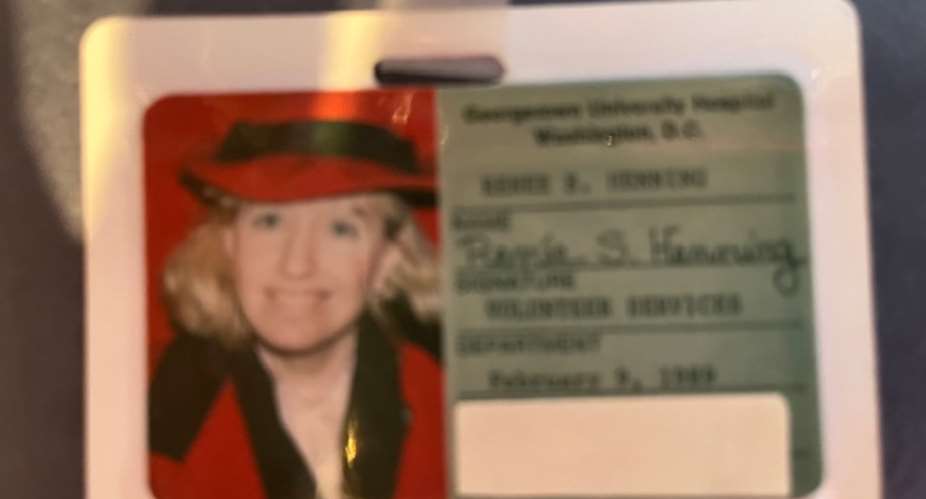
My experience comes from volunteer work in the neonatal intensive care unit and the pediatric wards of a major hospital, where I sing, sometimes off-key, to babies and toddlers. Since the late 1980’s I have crooned to thousands of tiny patients one-on-one.
Too young to submit song requests, they communicated mainly through body language. They revealed their musical preferences in various ways. For example, they cried, stopped crying, visibly relaxed, cuddled closer in my arms, or fell gently asleep.
I learned from their reactions and from the song testers discussed below. To my surprise, I discovered that tots and infants, INCLUDING “PREEMIES” WHO SHOULD STILL BE IN THE WOMB, respond positively to many types of music.
Over the years I experimented with a variety of musical genres. In virtually every case, there were at least two songs that the audience appeared to enjoy. Following are 25 of the categories my listeners liked, plus a particularly popular song in each category: (1) lullabies (“Brahms’s Lullaby”); (2) nursery rhymes (“Kookaburra Sits in the Old Gum Tree”); (3) sports ditties (“Take Me Out to the Ball Game”); (4) holiday tunes [“A Holly Jolly Christmas” (not suitable for all audiences)]; (5) barbershop quartet pieces (“Lida Rose”); (6) ballads (the Duprees’s version of “You Belong to Me”); (7) Broadway show tunes (“I Could Have Danced All Night”); (8) British music hall favorites (“It’s a Long, Long Way to Tipperary”); (9) operetta pieces (“With Cat-Like Tread”); (10) pop music (Bobby Vinton’s hit version of “Roses Are Red”); (11) rock-and-roll (Buddy Holly’s “Everyday”); (12) early American standards (“She’ll Be Coming Round the Mountain”); (13) folk songs (“No Man Is an Island”); (14) patriotic works (“America the Beautiful”); (15) country (“Take These Chains From My Heart”); (16) western (“Red River Valley”); (17) ethnic songs (“Bonnie Banks O’ Loch Lomond”); (18) songs in a foreign language (“Dites-Moi”); (19) music from the 1700’s (“Auld Lang Syne”); (20) music from the 1800’s (“Mary Had a Little Lamb”); (21) music from the 1900’s (“Heart of My Heart”); (22) music with a Caribbean beat (“Under the Sea”); (23) waltzes (“Shall We Dance?” from the musical “The King and I”); (24) polkas (“Beer Barrel Polka,” but with every reference to “barrel” changed to “buggy”); and (25) jazz (a tame version, due to the neonatal intensive care setting, of the only jazz song I tested, “When the Saints Go Marching In”).
In short, the musical compositions to which babes and tykes respond best tend to be cheery or tranquil, as well as relatively simple, slower-paced, bouncy, and lilting. Fans of repetition, little ones enjoy hearing the piece sung softly four times over. Two of their favorite musical categories are cowboy and waltzes.
The vocalist should skip songs noteworthy for their clever lyrics (which youngsters cannot understand) and sad songs. Twice I sang “Danny Boy.” Both infants stiffened, apparently picking up on its pathos.
The singer should also rule out melodies with inappropriate lyrics. For example, nobody should be serenading someone’s little darling with Janis Joplin’s version of “Cry Baby”! (“Come on and cry, cry baby, cry baby, cry baby.”)
Based on my observations, infants are, like dolphins, inherently more receptive to certain types of music. Yet tastes can change over time. I never tried musical categories such as hip-hop and heavy metal on my audiences. However, according to research on prenatal learning, a fetus can eventually hear the music to which its mother listens and after birth can recognize changes in a tune it heard frequently in the womb. Thus, although hip-hop and heavy metal are unlikely to fall in the innately receptive class, some newborns may have acquired a taste for them.
Regardless, I often know before my three-hour volunteer session which songs babies will especially appreciate. Sometimes this comes from having seen frequently the reaction of infants to certain kinds of songs. Other times this is due to my use of four-legged or two-legged song testers.
It has been said that adult dogs have the intelligence of a two-year-old human. When we owned three dogs, I occasionally practiced a new song at home. The canines flocked to listen, and I observed their response. I could tell, if at least two of the tails were wagging, that hospitalized infants would enjoy the piece. (A rousing rendition of “Saints” was the only song ever to set all three tails thumping madly.)
Later we were left with just one dog. Unfortunately, Moose’s musical tastes were not very discriminating. A dud as a song tester, he liked everything I sang!
Luckily there is a different type of song tester for identifying songs that appeal to infants. I memorized a particular Disney tune because my little granddaughter adored it. Kyleigh’s choice was a hit with the babies in the hospital. Songs other toddlers loved were also welcomed by infants, indicating that tots can substitute for adult dogs as testers. In short, a performer can develop a baby playlist by watching how multiple infants (hospitalized or not), multiple toddlers, or multiple dogs react.
Studies indicate that infant patients receiving music therapy eat more, cry less, and leave the hospital sooner. Improvements in matching the song selections to the musical preferences of little listeners could lead to more effective therapy.
In any event, there is a world of music for babies and toddlers besides lullabies and kiddie songs. I recommend that someone planning to sing to a small child start with songs in the above list of 25 categories. Then he should have fun experimenting with additional songs and additional categories and should develop his own playlist. That beats singing the ever-popular “Twinkle, Twinkle, Little Star” for three hours - and going insane!
 Mahama Pushes Ghana–Belarus Agro‑Tech Partnership To Modernise Agriculture
 Ato Forson is selfish, he wants to control everything – Miracles Aboagye
 Kevin Okyere admits Dubai detention, US$50 million Petraco drawdown
 Health Ministry says KATH CEO is suspended for two weeks as administrator, not d...
 'Stop accepting awards from questionable, self-appointed rating bodies' — Mahama...
 Gov’t hints at scrapping unlimited years of mining concession renewals
 Committee uncovers regulatory breaches, structural deficiencies in Madina buildi...
 We're introducing measures to reduce post-harvest losses — Mahama
 Flooding: Building owners who cut corners need to be sanctioned — Fuseini Donkor
 We need an overhaul of Ghana's drainage system — Edem Agbana on flood crisis


