




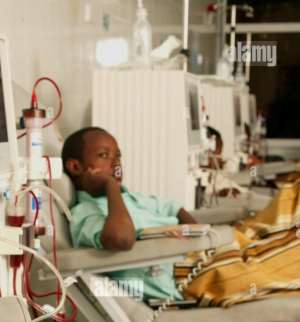
Across Ghana and much of the world, a quiet but devastating health crisis is unfolding Non-Communicable Diseases (NCDs). Unlike infectious diseases that announce themselves with outbreaks and visible urgency, NCDs develop slowly, often unnoticed, until they strike with life-altering consequences. Conditions such as hypertension, diabetes, cancers, chronic respiratory diseases, and cardiovascular illnesses are now responsible for more deaths globally than infectious diseases combined, according to the World Health Organization.
Yet the most alarming truth is this: NCDs are no longer “diseases of the elderly.” They are increasingly affecting young adults and even children.
The Silent Rise: Why NCDs Are Growing in Ghana
Historically, Ghana’s health system focused heavily on infectious diseases like malaria, tuberculosis, and cholera. But over the past two decades, rapid urbanization, lifestyle changes, and dietary transitions have shifted the health burden.
Today, the major drivers of NCDs in Ghana include:
Increased consumption of processed and high-sugar foods
Reduced physical activity due to urban lifestyles
Rising obesity rates, especially in urban areas
Tobacco and alcohol use
Poor early screening and late diagnosis
The result is a double burden: Ghana is still fighting infectious diseases while NCDs are silently rising in the background.
Children Are No Longer Exempt
One of the most disturbing trends is the growing presence of NCD-related conditions among children:
Childhood obesity linked to fast food and sugary drinks
Early-onset type 2 diabetes (once considered “adult diabetes”)
Asthma and chronic respiratory conditions linked to pollution
High blood pressure in adolescents (often undiagnosed)
This raises uncomfortable questions:
Why are school feeding environments not strictly regulated for nutrition quality?
Are we designing cities that protect children’s health or expose them to long-term disease risk?
How many children are walking into adulthood already metabolically sick?
These are not just medical questions they are governance and policy questions.
What Is the Government Doing?
Ghana has made efforts, but the response is still largely reactive rather than preventive.
Key interventions include:
National NCD policy frameworks under the Ministry of Health
Health promotion campaigns on diet, exercise, and tobacco control
Expansion of screening for hypertension and diabetes in some hospitals
Integration of NCD care into primary health services
However, challenges remain:
Limited funding for prevention programs
Weak enforcement of food labeling and sugar regulation
Insufficient school-based health education
Overburdened healthcare facilities focused more on treatment than prevention
The gap is clear: Ghana is still “treating disease” more than “preventing disease.”
A Global Comparison: How Other Countries Respond
United Kingdom
The UK has aggressively introduced sugar taxes, mandatory food labeling, and nationwide obesity reduction campaigns. Schools also follow strict nutritional guidelines.
United States
Despite high NCD rates, the U.S. invests heavily in early screening programs and public awareness campaigns, especially for diabetes and heart disease. However, inequality remains a major issue.
Rwanda
Rwanda has become a model in Africa for preventive health. Strong community health worker systems and aggressive public health education have improved early detection and lifestyle awareness.
Ghana’s Position
Ghana sits in a transitional phase more advanced than many low-income countries in policy structure, but still behind in enforcement and prevention infrastructure.
The Hidden Cost: Economic and Social Impact
NCDs are not only a health burden they are an economic threat.
Families spend catastrophic amounts on long-term treatment
Productivity losses occur when young adults fall ill
Rural families are pushed deeper into poverty due to chronic care costs
Hospitals become overwhelmed with long-term patients instead of acute care cases
In short, NCDs quietly drain national development.
Critical Questions Nobody Is Asking
Why are unhealthy foods often cheaper and more accessible than nutritious options?
Should sugar-sweetened beverages carry warning labels similar to tobacco products?
Why is physical education still undervalued in basic schools?
Are we building hospitals fast enough instead of preventing the need for them?
Who is responsible when children develop lifelong diseases from preventable environmental and dietary exposure?
These questions challenge not just health policy but national priorities.
The Way Forward
To confront the NCD crisis, Ghana and similar countries must shift from treatment-centered systems to prevention-centered governance:
Stronger food regulation and taxation on harmful products
Mandatory nutrition education in schools
Urban planning that promotes physical activity
Expanded community screening programs
Investment in public health awareness campaigns targeting youth
Most importantly, health must be treated as a national development issue not just a medical one.
Conclusion
NCDs are called the “silent killer” for a reason they do not explode like epidemics; they accumulate quietly until entire communities are affected. Ghana stands at a crossroads: continue reacting to illness or begin aggressively preventing it.
The most urgent question is not whether NCDs are rising.
It is this:
How many more lives must be silently lost before prevention becomes the priority?
By:
Patrick Belebang Yagsori
+233240292413
[email protected]
 'Non-tariff barriers are hurting African trade' — Trade Minister calls for seaml...
 Lawyer Andy Appiah Kubi dumps Chairman Wontumi ahead of galamsey judgment
 Visa rejection dashes World Cup hopes of Ivory Coast and Senegal fans
 'Your citizens will still leave our country' — South African activist fires back...
 Anti-LGBTQ bill: 'It's not true that Parliament cannot reconsider a passed bill'...
 New NAIMOS Operations Director pledges stronger fight against galamsey
 Ghana attracting bad actors through ECOWAS free movement system — GIS laments ab...
 Court grants Abronye DC permission to travel abroad for master’s programme
 Afari Hospital Project: “They slept on a 3-year project for eight years” – Brogy...
 Chairman Wontumi seeks plea deal in GH¢30m Exim Bank fraud case


